
 By Richard
Introduction
Fashion is an ever-evolving landscape, and one brand that continuously makes waves is нm. Known for its trendy designs and affordable prices, this global retailer has captured the hearts of shoppers worldwide. But what exactly sets нm apart from other fashion giants? In this post, we’ll explore the core concepts behind нm, including its various types, applications in everyday life, advantages it offers consumers, challenges it faces in a competitive market, and future prospects on the horizon. Whether you’re a long-time fan or new to the brand, understanding нm can enhance your shopping experience and keep you stylish without breaking the bank. Let’s dive into the world of нm!
Basics of нm
нm, or H&M, is a global fashion retailer known for its trendy and affordable clothing. Founded in 1947 in Sweden, the brand has grown to serve millions of customers worldwide.
The company focuses on providing fast fashion that reflects current trends while maintaining a commitment to sustainability. With thousands of stores across multiple countries, нm offers a wide range of products for men, women, and children. Its unique business model allows it to quickly adapt to changing market demands.
Types of нm
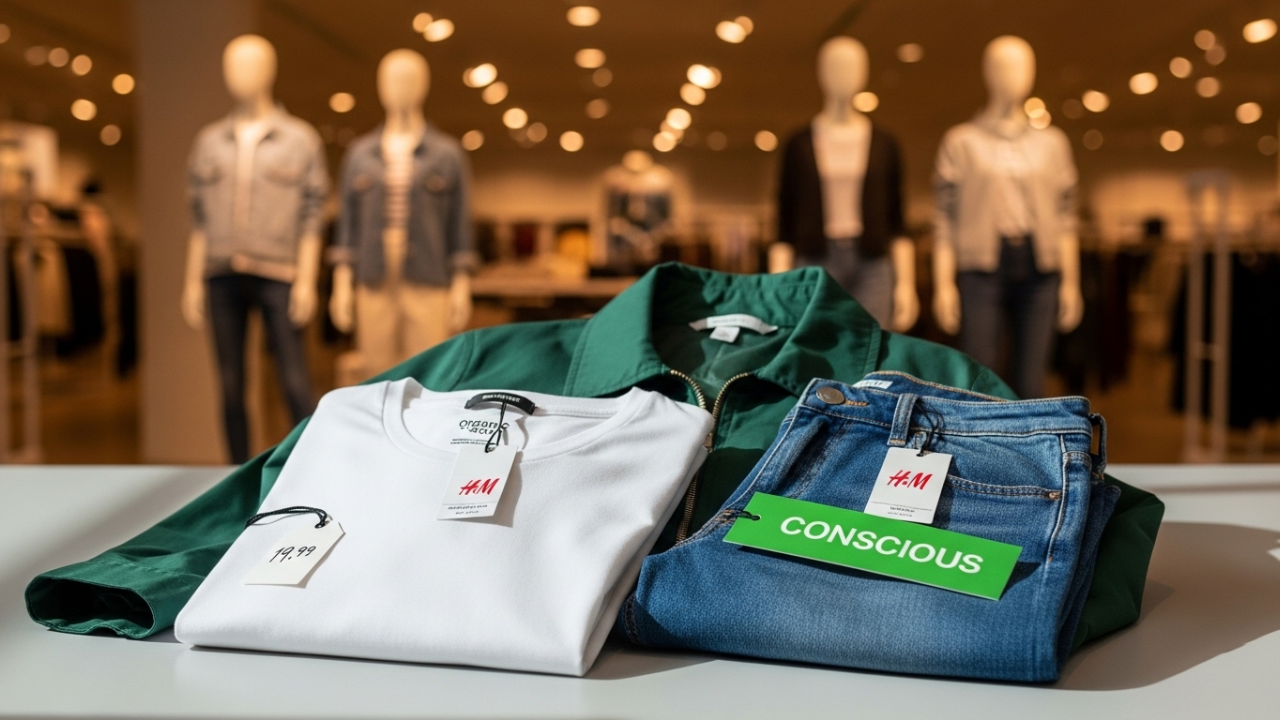
H&M offers a variety of clothing types catering to diverse styles and preferences. Their product range includes casual wear, sportswear, formal attire, and accessories for men, women, and children. This wide selection ensures that there’s something for everyone.
Additionally, H&M frequently collaborates with high-profile designers and celebrities to create limited-edition collections. These collaborations often showcase unique designs while maintaining affordability. Shoppers can find trendy pieces alongside classic staples in-store or online.
Applications of нm
нm is widely recognized for its versatile applications in the fashion industry. From trendy apparel to chic accessories, it caters to a diverse audience seeking stylish yet affordable options. The brand’s ability to quickly adapt designs based on emerging trends allows it to stay relevant and appealing.
Moreover, нm has ventured into sustainable practices by introducing eco-friendly collections. This commitment not only addresses environmental concerns but also attracts conscious consumers looking for responsible fashion choices without sacrificing style.
Advantages of нm
One significant advantage of нm is its affordability. The brand offers trendy clothing at competitive prices, making fashion accessible to a wide audience. This pricing strategy attracts budget-conscious shoppers looking for stylish options without breaking the bank.
Additionally, нm has a strong commitment to sustainability. The company actively works on reducing its environmental impact through various initiatives. By using organic materials and promoting recycling programs, it appeals to consumers who prioritize eco-friendly choices in their shopping habits.
Challenges of нm
H&M faces various challenges in today’s fast-paced retail environment. One major issue is the increasing competition from both established brands and emerging online retailers. This competition pressures H&M to constantly innovate and adapt its offerings.
Another challenge lies in sustainability concerns. As consumers become more environmentally conscious, H&M must navigate criticism over its production practices and strive for a greener supply chain. Balancing profitability with ethical responsibilities remains a complex task for the brand moving forward.
Future prospects of нm
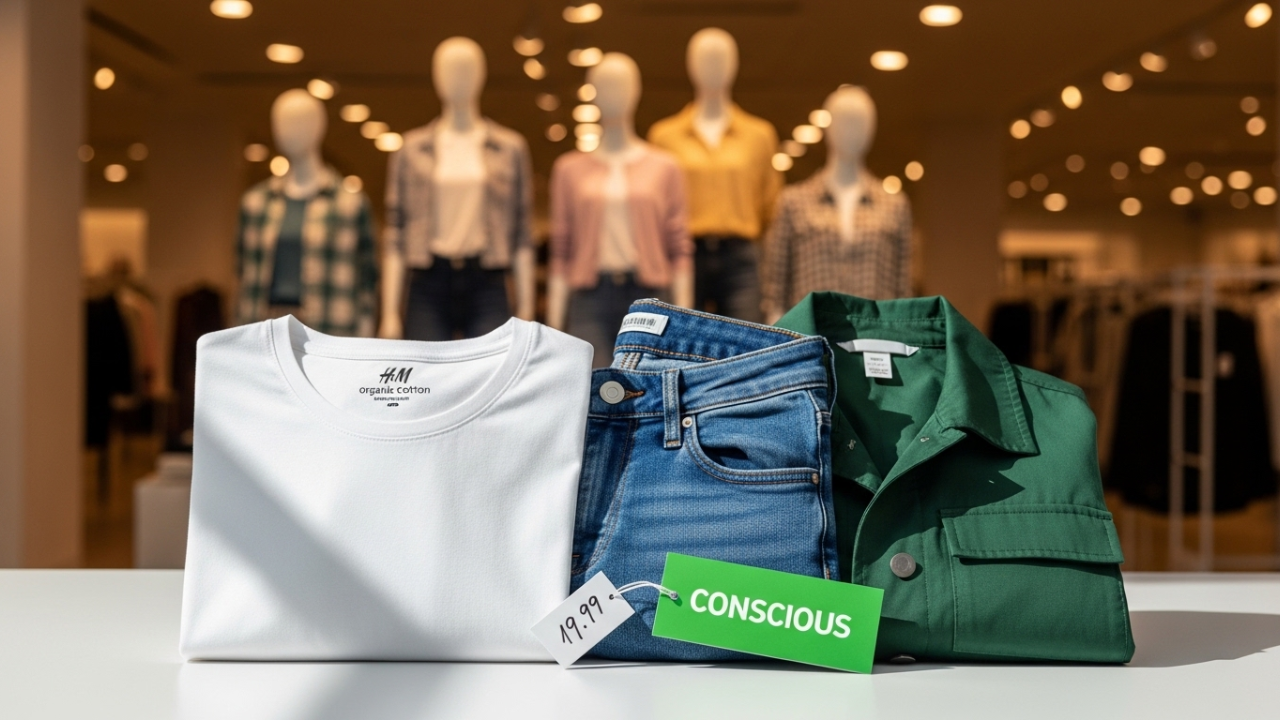
The future of нm looks promising as the brand continues to innovate in sustainable fashion. With increasing consumer demand for eco-friendly practices, нm is investing in renewable materials and ethical production methods. This shift not only addresses environmental concerns but also resonates with a growing demographic that values sustainability.
Moreover, embracing technology will further enhance customer experience through personalized shopping options and efficient supply chains. As trends evolve, нm’s adaptability may solidify its position as a leader in the fast-fashion industry while prioritizing responsible practices.
Conclusion
Understanding нm opens up a world of fashion possibilities. From its diverse offerings to the unique shopping experience, this brand has transformed how we perceive affordable style.
With an emphasis on quality and sustainability, нm continues to evolve in response to consumer demands. As trends shift and new challenges arise, staying informed about this influential retailer will help you navigate the ever-changing landscape of modern fashion effectively.
FAQs
Many people are curious about H&M. One common question is, what does H&M stand for? It actually stands for Hennes & Mauritz, reflecting its Swedish roots and original focus on women’s clothing.
Another frequent inquiry revolves around quality. Is H&M good quality for the price? Generally, shoppers find that it offers trendy styles at accessible prices. Comparisons with other brands like Zara often arise too. Each has its unique strengths in fashion offerings and pricing strategies, making both popular choices among consumers.
What does H&M stand for?
H&M stands for Hennes & Mauritz, a name that reflects its origins. The brand began in Sweden in 1947 as a women’s clothing store called Hennes, which means “hers” in Swedish.
In 1968, the company expanded by acquiring the hunting and fishing apparel retailer Mauritz Widforss. This acquisition led to the current name we know today: H&M. The brand has since evolved into one of the largest fashion retailers globally, offering trendy styles at affordable prices for men, women, and children alike.
Is H&M good quality for the price?
H&M offers trendy clothing at accessible prices, making it a popular choice for fashion enthusiasts. The quality can vary across different items, with some pieces made from durable materials while others may not withstand regular wear.
Many shoppers appreciate the affordability but sometimes question the longevity of their purchases. It’s wise to read reviews and inspect individual items before buying to ensure you find great deals without compromising on quality.
How does H&M compare to Zara?
H&M and Zara both dominate the fast fashion landscape, but they cater to slightly different audiences. H&M offers a broader range of affordable basics, while Zara focuses on high-fashion trends and unique designs at a higher price point.
Zara tends to release new collections more frequently, keeping its inventory fresh and exciting. This can create an urgency among shoppers. In contrast, H&M emphasizes sustainability initiatives alongside trendy offerings, appealing to environmentally conscious consumers looking for budget-friendly options without sacrificing style.
How did H&M start?
H&M began its journey in 1947 when Erling Persson opened a women’s clothing store in Västerås, Sweden. Initially named Hennes, meaning “hers” in Swedish, the shop focused solely on women’s apparel. The brand expanded rapidly and added men’s clothing after acquiring a hunting and fishing store that sold men’s garments.
In 1968, it rebranded as H&M to reflect its broader offerings for all genders. Today, it stands as one of the largest fashion retailers worldwide, known for providing trendy styles at accessible prices. This evolution reflects not only changing consumer demands but also the company’s commitment to innovation and sustainability in the fast-fashion industry.