
 By Richard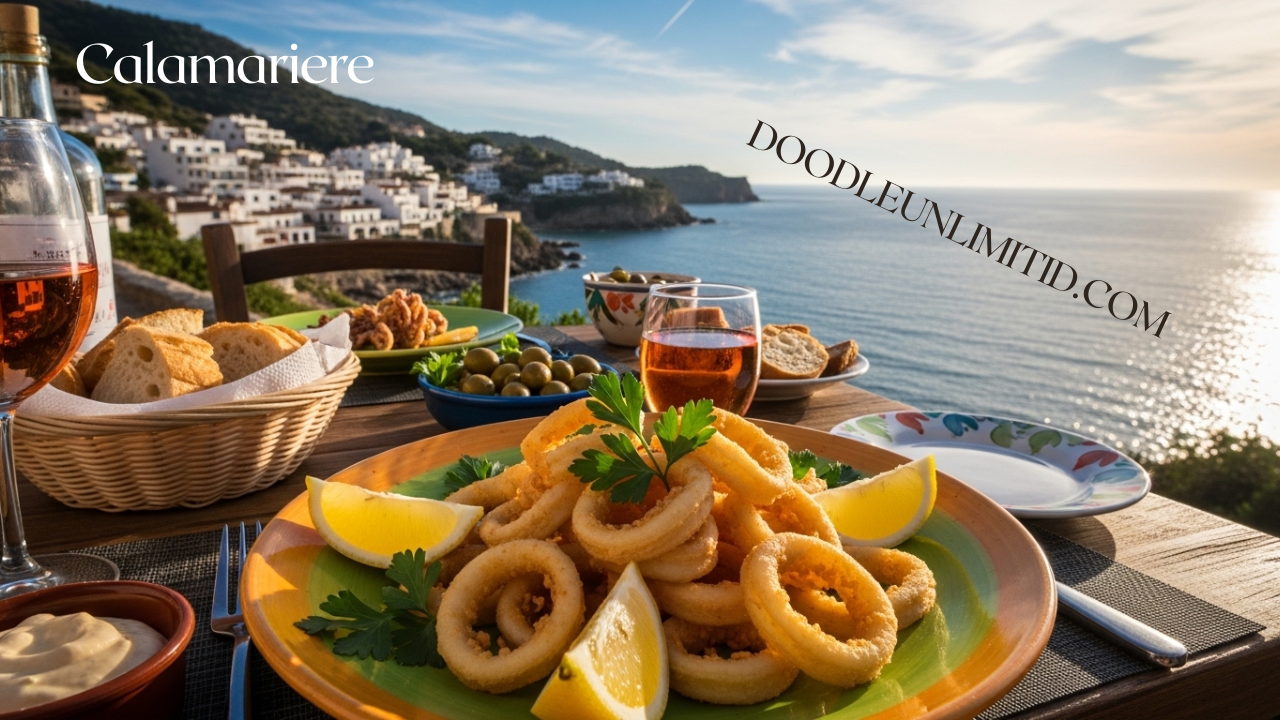
Calamariere is more than just a dish; it’s an exploration of flavors, textures, and maritime traditions. This unique culinary expression brings the ocean’s bounty to life through the artful preparation of squid. Join us on a delectable journey as we dive into its rich history, cultural significance, and mouthwatering variations across the Mediterranean. From local markets to gourmet kitchens, calamariere weaves itself into the fabric of coastal heritage—inviting you to savor every bite. Are you ready to explore this exquisite delicacy?
Exploring the Delicacies of Calamariere: A Culinary Journey
Calamariere invites food lovers on an exciting journey through the Mediterranean. This dish showcases squid in all its glory, highlighting various cooking techniques and regional flavors. Each bite tells a story of coastal traditions and culinary heritage.
As you explore calamariere, you’ll discover how it transforms simple ingredients into extraordinary experiences. From crispy fried versions to marinated delights, this delicacy offers endless possibilities for taste enthusiasts seeking something special from the sea.
A Culinary Expression of Squid, Craft, and Coastal Heritage
Calamariere embodies the artistry of coastal cooking, celebrating squid as a versatile ingredient. This dish reflects the deep-rooted traditions and techniques passed down through generations, showcasing the craftsmanship inherent in Mediterranean cuisine.
Each bite tells a story of the sea, intertwining local flavors with rich cultural heritage. The meticulous preparation highlights not just skill but also respect for nature’s bounty, making calamariere an authentic expression of culinary passion and coastal identity.
The Meaning and Origin of Calamariere
Calamariere refers to the culinary art of preparing squid, deeply rooted in Mediterranean traditions. The term originates from “calamaro,” which is Italian for squid. This dish has been cherished across coastal communities, symbolizing a connection to the sea and its bounties.
Historically, calamariere reflects local fishing practices and sustainable cooking methods. Its popularity has spread globally, evolving into various interpretations while remaining true to its maritime heritage. Each bite tells a story of culture and craftsmanship intertwined with nature.
Linguistic and Cultural Context
The term “calamariere” reflects a rich tapestry of linguistic heritage. Originating from the Italian word “calamaro,” meaning squid, it intertwines with various Mediterranean languages, showcasing regional dialects and culinary traditions.
Culturally, calamariere signifies more than just a dish; it embodies community gatherings and coastal lifestyles. In many areas, families gather to share meals featuring this delicacy, celebrating both the sea’s bounty and the artistry involved in its preparation.
Calamariere as a Culinary Technique
Calamariere is more than just a dish; it’s an art form. This culinary technique involves skillfully preparing squid to showcase its tender texture and rich flavors. Chefs often employ various methods to highlight the natural essence of calamari, transforming it into a delicacy.
The process requires precision in handling, from cleaning to cutting. Each step enhances the squid’s quality, ensuring that every bite offers an exquisite taste experience rooted in tradition and coastal craftsmanship.
Preparation and Handling of Squid
Preparing squid for calamariere involves careful handling to preserve its delicate texture. Start by rinsing the squid under cold water, then remove the head and innards gently.
Next, peel off the outer skin to reveal its pearly white flesh. Be sure to detach any cartilage and clean it thoroughly. This meticulous preparation ensures that every bite of calamari is tender and flavorful, ready to be transformed into a culinary masterpiece.
Cooking Methods Associated with Calamariere
Calamariere showcases a variety of cooking methods that elevate the squid’s natural flavors. Grilling adds a smoky depth, while frying creates a delightful crunch. Each technique brings its unique charm to this versatile ingredient.
Poaching is another popular method, preserving tenderness and allowing for subtle seasoning absorption. Sautéing quickly over high heat enhances freshness and texture, making calamariere an exciting addition to any dish on your table. These methods reflect culinary creativity across cultures and regions.
Mediterranean Ingredients and Flavor Profile
The flavor profile of calamariere is a vibrant tapestry woven from the Mediterranean’s finest ingredients. Fresh herbs like parsley and basil bring brightness, while garlic adds depth.
Olive oil serves as the foundation, enhancing every bite with its rich, fruity notes. Complemented by zesty lemon juice or tangy capers, each dish bursts with coastal flavors that evoke sun-soaked shores and bustling local markets. This makes calamariere not just a meal but an experience steeped in tradition.
Regional Variations Across the Mediterranean
The Mediterranean region boasts a rich tapestry of culinary traditions, and calamariere is no exception. From the crispy fried versions in Southern Italy to the tender squid stews popular in Greece, each area has its unique take on this dish.
In Spain, calamariere often features as tapas, served with a zesty aioli. Meanwhile, North African influences introduce spices like cumin and coriander, creating an exciting fusion that highlights the versatility of squid across cultures.
Nutritional and Culinary Value of Calamariere
Calamariere is not just a treat for the palate; it’s also packed with nutritional benefits. Squid, the star of this dish, provides high-quality protein and essential vitamins like B12 and C. Its low-calorie count makes it an excellent choice for those watching their diet.
Culinary-wise, calamariere showcases versatility in cooking methods. Whether grilled, fried, or sautéed, each preparation enhances its natural flavors while complementing Mediterranean ingredients. This dynamic ingredient brings both taste and health to your plate.
Calamariere in Modern Healthy Eating
Calamariere has found its place in modern healthy eating, offering a delightful option for seafood lovers. The focus on fresh and sustainable ingredients makes it an appealing choice for health-conscious diners.
Rich in protein and low in calories, calamariere is versatile enough to suit various diets. Whether grilled or sautéed with vibrant vegetables, this dish caters to those seeking nutritious meals without sacrificing flavor.
Calamariere in Contemporary Cuisine
Calamariere has found its place in contemporary cuisine, evolving from traditional dishes to innovative plates. Chefs now experiment with textures and flavors, incorporating calamariere into gourmet salads, tacos, and even sushi.
This culinary technique shows versatility beyond the classic fried ring. Grilled squid served with vibrant sauces or pickled variations bring a new dimension to dining experiences around the world. The appreciation for sustainable seafood further highlights calamariere’s role in modern gastronomy.
Global Recognition and Culinary Innovation
Calamariere has gained international acclaim, captivating food enthusiasts across the globe. Chefs are creatively reimagining this traditional dish, infusing it with global flavors and techniques, making it a staple in fusion cuisine.
Innovations like tempura calamariere or spicy squid tacos showcase its versatility. These contemporary twists elevate casual dining experiences while respecting the rich heritage of calamariere. As culinary boundaries blur, this delicacy continues to inspire chefs everywhere to explore new horizons.
Cultural Significance of Calamariere
Calamariere holds a special place in Mediterranean culture, often featured in festive gatherings and coastal celebrations. It symbolizes not just culinary artistry but also the deep connection between communities and their maritime heritage.
Sharing calamariere among family and friends fosters bonds, creating lasting memories around the table. This dish transcends mere sustenance; it represents tradition, storytelling, and an appreciation for nature’s bounty. Each bite carries history, evoking the essence of coastal life across generations.
Conclusion
The journey through the world of calamariere reveals a rich tapestry of flavors, techniques, and cultural heritage. This culinary treasure invites food lovers to explore its diverse interpretations across different regions.
As we savor calamariere today, it stands as a testament to tradition and innovation. Whether enjoyed in a quaint coastal town or prepared with modern flair, this dish continues to inspire chefs and diners alike around the globe.
FAQs
Curious about calamari? You’re not alone! Many people wonder what calamari is truly made of. Understanding the difference between squid and octopus can enhance your culinary experience and appreciation.
Questions often arise around terminology, too. What do we call calamari in English, or why is it referred to as calamares in some cultures? These insights help deepen our connection to this beloved dish while celebrating its rich heritage.
What is calamari made of?
Calamari is primarily made from squid, a cephalopod mollusk known for its delicate flavor and unique texture. When prepared, it often features tender rings or whole bodies that are lightly battered and fried, grilled, or even sautéed.
The dish can also showcase variations based on local recipes. Different cuisines might incorporate diverse spices or cooking methods to enhance the inherent flavors of calamari while staying true to its seafood roots.
Is calamari a squid or octopus?
Calamari is indeed made from squid, not octopus. This delicious seafood delicacy features the tender meat of various squid species, often served fried or grilled.
Though both calamari and octopus belong to the mollusk family, their textures and flavors differ significantly. Squid has a milder taste and a firmer texture compared to the more robust qualities of octopus, making calamari a popular choice in many coastal cuisines.
What is calamari called in English?
Calamari, a culinary term derived from Italian, translates to “squid” in English. This delightful seafood dish showcases the versatility of squid in various cooking styles and preparations.
When you see “calamari” on a menu, it refers specifically to dishes made from squid. Whether fried, grilled, or prepared in sauces, calamari has become a popular choice for seafood lovers worldwide.
Why is it called calamares?
The name “calamares” has its roots in the Spanish language, where it refers to squid dishes. The term is derived from “calamares,” which means ‘squid’ in Latin. This linguistic evolution underscores the significance of squid across various cultures, especially within Mediterranean cuisine. As culinary traditions evolve, so do names and interpretations, but the essence of calamariere remains a cherished component of coastal heritage and gastronomy. Each bite tells a story—one that connects regions, flavors, and generations alike.