
 By Richard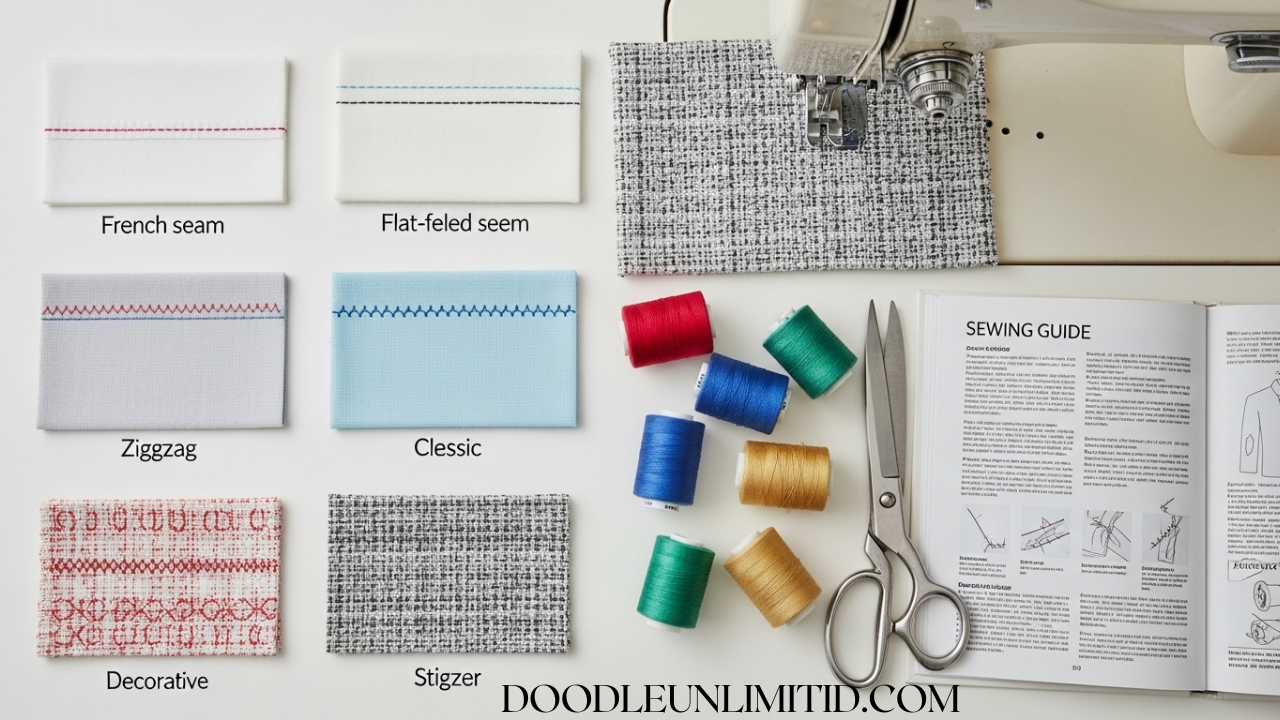
Sewing enthusiasts, unite! Whether you’re a seasoned pro or just starting your stitching journey, understanding nahttypen is crucial for elevating your craft. Seam types play a pivotal role in determining the durability and aesthetic of your projects. With so many variations out there, it can feel overwhelming at times. Fear not! This guide will unravel the mysteries behind nahttypen, making you more confident in selecting the right seams for any fabric. Get ready to transform your sewing game as we dive into this comprehensive exploration of seam types that every creator should know about!
Nahttypen Demystified: A Comprehensive Guide for Sewing Enthusiasts
Nahttypen, or seam types, are the backbone of any sewing project. They determine not only how well your fabric holds together but also influence the final look and feel of your creation. With a plethora of options available, it’s easy to feel lost in the world of stitching.
Each nahttyp serves a unique purpose; some provide strength while others add an artistic touch. Understanding these differences is essential for achieving professional results.
As you explore various nahttypen, you’ll discover that each has its own set of techniques and applications. This knowledge will empower you to make informed choices that enhance both functionality and aesthetics in your sewing endeavors.
Understanding Nahttypen
Nahttypen, or seam types, are the backbone of any sewing project. They determine how pieces of fabric come together and influence both durability and aesthetics. Understanding these seams is essential for achieving professional results in your creations.
Different nahttypen serve various purposes, from basic straight stitches to more complex techniques like flat-felled and French seams. Each type has its unique characteristics that affect the look and feel of the finished product.
Knowing when and where to use specific nahttypen can elevate your sewing skills dramatically. It’s not just about functionality; it’s also an opportunity for creativity in your designs.
What Are Nahttypen?
Nahttypen, or seam types, are fundamental elements in sewing that determine how pieces of fabric come together. Each type serves a specific purpose and contributes to the overall durability and aesthetic of the finished product. From garments to home decor, understanding these seams is essential for any sewing enthusiast.
There are various nahttypen, including straight stitches, zigzag seams, and French seams. Each one has unique characteristics tailored for different fabrics and purposes. For instance, a straight stitch offers strength, while a zigzag can provide stretch.
Choosing the right nahttypen enhances both functionality and style. The right seam not only affects how well your project holds up but also its visual appeal.
Why Seam Types Matter
Seam types are crucial in sewing because they determine the durability and appearance of your finished project. Different fabrics require specific seams to ensure that they hold up under stress, wash well, and maintain their shape over time.
Understanding seam types allows you to choose the best option for each fabric type. For example, a lightweight cotton may need a different approach than thicker denim or knit materials.
Additionally, certain seams can enhance or detract from design elements like drape and structure. The right seam not only supports functionality but also boosts the overall aesthetic appeal of your garments or projects.
Decorative and Specialty Nahttypen
Decorative and specialty nahttypen can transform ordinary fabrics into stunning works of art. These techniques add texture, dimension, and color to garments or home decor items. Whether you’re looking to spice up a simple blouse or create an intricate quilt, the right stitching can elevate your project.
Among the popular options are embroidery stitches that provide flair without compromising fabric integrity. Techniques like piping or bias tape application also offer stylish finishes that catch the eye. Specialty threads like metallics or variegated colors further enhance these decorative elements.
Experimenting with different nahttypen opens up creative possibilities in sewing projects. Don’t hesitate to mix and match styles for unique results!
Choosing the Right Nahttypen for Your Fabric
Selecting the appropriate nahttypen is crucial for achieving a polished finish. Different fabrics require specific seams to ensure durability and aesthetics. For instance, lightweight materials like silk benefit from French seams, which provide neat edges without bulk.
On the other hand, heavier fabrics such as denim need reinforced stitches, like flat-felled seams. These not only enhance strength but also add a professional touch to your projects.
Consider the fabric’s stretch as well. Knits often do better with zigzag or stretch stitches that accommodate movement while preventing tears. Understanding these nuances will lead you to create beautiful and lasting garments tailored perfectly for your chosen fabric.
Common Mistakes to Avoid
Many sewing enthusiasts overlook the importance of selecting the right nahttypen for their project. Using an inappropriate seam can lead to fabric distortion or even failure in durability. Always check your fabric type before deciding on a stitch.
Another common mistake is not testing seams on scrap fabric first. This simple step allows you to adjust tension or stitch length, preventing costly errors later on. It’s crucial to ensure that everything works smoothly with your chosen materials.
Many ignore maintenance practices for their machines and tools. Regular cleaning and proper storage can significantly extend the life of your equipment, keeping those nahttypen looking sharp and functioning well over time.
Maintenance and Longevity
To keep your nahttypen in top shape, regular maintenance is essential. Clean your sewing machine frequently to prevent dust build-up that can affect stitch quality and seam strength. A well-maintained machine creates better results.
Using the right thread for specific fabrics is just as crucial. Poor-quality threads can lead to fraying or breakage, compromising the integrity of your seams. Invest in high-quality materials tailored to your projects.
Always store fabric properly when not in use. Avoid exposure to moisture and direct sunlight, which can weaken fibers over time. Proper care ensures that both fabric and nahttypen remain durable for future creations.
Real-World Applications of Nahttypen
Nahttypen play a crucial role in various sewing projects, affecting both functionality and aesthetics. For instance, a flat-felled seam is perfect for jeans, providing strength while keeping the edges neat. This type of stitch ensures durability where stress is high.
In home décor, techniques like French seams create polished pillowcases and curtains that invite elegance into any space. These seams hide raw edges, giving finished products a professional touch.
For crafts and quilting enthusiasts, decorative stitches can transform simple pieces into works of art. By choosing the right nahttypen, you enhance not just practicality but also visual appeal in your creations.
Conclusion
Understanding nahttypen is essential for any sewing enthusiast. Each seam type plays a unique role in both the function and aesthetics of your projects. By choosing the right nahttypen, you can enhance durability while also adding creative flair to your garments.
Remember that decorative and specialty seams open up a world of possibilities beyond basic construction. Experimenting with these can elevate your sewing game significantly, making every piece special.
Avoid common mistakes like mismatching threads or using inappropriate stitches for different fabrics; these can lead to unsatisfactory results. Proper maintenance ensures longevity, allowing you to enjoy your creations longer.
With real-world applications ranging from home decor to fashion design, mastering nahttypen will empower you as a maker. Embrace this knowledge and let it inspire your next project!