
 By Richard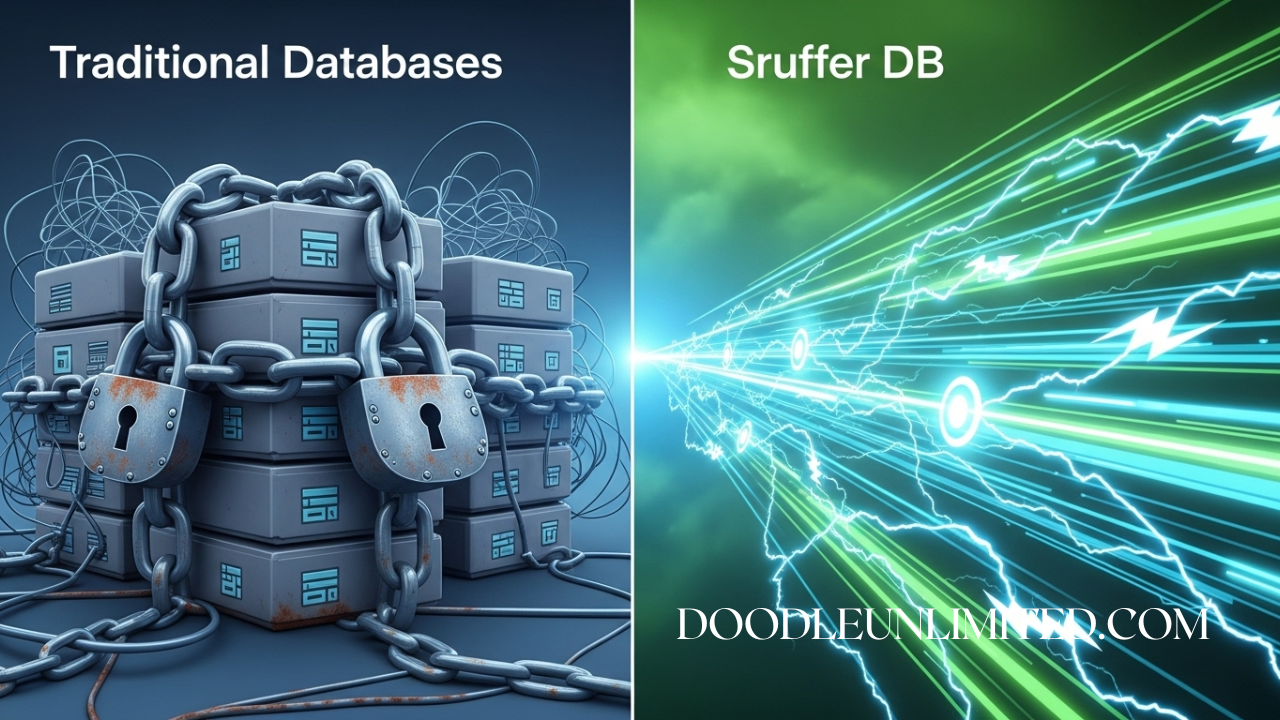
Welcome to the world of database management, where innovation meets efficiency. Have you ever wondered how emerging technologies can redefine traditional systems? Enter Sruffer DB—a groundbreaking alternative that challenges conventional databases. This game-changer promises to simplify data handling and improve performance like never before. Whether you’re a tech enthusiast or a business owner seeking optimization, understanding what sets Sruffer DB apart is essential for navigating today’s digital landscape. Let’s dive into the features and benefits that make this database worth considering!
Sruffer DB vs. Traditional Databases: What Sets It Apart?
Sruffer DB stands out in a crowded database landscape by offering unique capabilities that traditional databases often lack. Designed for modern applications, it focuses on speed, scalability, and flexibility. This innovative approach allows businesses to manage vast amounts of data without the complexities typically associated with conventional systems.
In contrast, traditional databases rely heavily on structured queries and rigid schemas. While they have served well for decades, they may struggle with rapid changes in data needs or growth demands. Sruffer DB addresses these limitations head-on, making it an attractive option for forward-thinking organizations.
Introduction to Sruffer DB
Sruffer DB is making waves in the database management landscape. Designed for modern applications, it focuses on speed and efficiency without sacrificing reliability. Its architecture supports a variety of data types, offering flexibility to developers.
What sets Sruffer DB apart is its innovative approach to data storage and retrieval. It utilizes advanced algorithms that optimize performance even under heavy loads. This capability makes it an attractive choice for businesses looking to enhance their data handling processes while maintaining operational agility.
Traditional Databases: Pros and Cons
Traditional databases have been the backbone of data management for decades. They offer strong consistency, structured query languages, and established relationships between data entities. Their reliability in handling transactions makes them a popular choice for businesses that require stability.
However, these systems often struggle with scalability and flexibility. As data volumes grow, performance can suffer. Additionally, adapting to evolving business needs may require complex restructuring or extensive downtime—factors that could hinder rapid innovation in today’s fast-paced digital landscape.
The Unique Features of Sruffer DB
Sruffer DB introduces a novel architecture that enhances scalability and performance. Its innovative data storage mechanisms allow for faster retrieval times, making it an excellent choice for real-time applications.
Additionally, Sruffer DB supports advanced querying capabilities, enabling users to extract complex insights effortlessly. The built-in machine learning features facilitate predictive analytics, helping businesses make informed decisions based on their data trends. This combination of speed and intelligence sets Sruffer DB apart from traditional database systems in today’s fast-paced digital landscape.
Real-Life Examples of Companies Using Sruffer DB
Sruffer DB has gained traction among various companies looking to enhance their data management. For instance, a leading e-commerce platform utilizes Sruffer DB for its ability to handle massive datasets efficiently. This allows them to offer personalized shopping experiences and real-time inventory updates.
Another example is a tech startup that adopted Sruffer DB for its agile architecture. This flexibility enables rapid development cycles, allowing the company to pivot quickly based on user feedback and market trends while maintaining optimal performance across their services.
Cost Comparison: Sruffer DB vs. Traditional Databases
Cost is a crucial factor when choosing between Sruffer DB and traditional databases. Sruffer DB often presents lower licensing fees, making it an attractive option for startups and small businesses. Its pay-as-you-go model can lead to significant savings, especially as your data needs scale.
On the other hand, traditional databases typically involve hefty upfront costs for software licenses and hardware infrastructure. Maintenance also adds ongoing expenses that can strain budgets over time. Understanding these cost dynamics helps organizations make informed decisions about their database management solutions.
User Experience and Customer Reviews
Users have praised Sruffer DB for its intuitive interface and seamless integration. Many find it user-friendly, allowing both seasoned developers and newcomers to navigate effortlessly.
Customer reviews highlight the speed at which they can access and manipulate data, making their workflows more efficient. Additionally, support from the Sruffer team has garnered positive feedback for being responsive and helpful when troubleshooting issues or answering questions. This level of service enhances the overall experience with Sruffer DB, creating a community that feels supported in their database management journey.
Future Outlooks of Sruffer DB
Sruffer DB is poised for significant growth in the coming years. As businesses increasingly demand more efficient data management solutions, Sruffer DB’s unique architecture positions it as a frontrunner. Its ability to handle large volumes of data seamlessly makes it appealing for various industries.
Moreover, advancements in AI and machine learning integration could further enhance Sruffer DB’s capabilities. This potential will likely attract more companies looking to innovate their data strategies. Consequently, we can expect its influence on database technology to expand rapidly across sectors.
Conclusion: Is Sruffer DB the Future of Database Management?
Sruffer DB presents a compelling alternative to traditional databases, especially for businesses seeking flexibility and scalability. Its unique features cater to modern data requirements, making it an attractive option in today’s fast-paced digital landscape.
As organizations increasingly prioritize agility and efficiency, the potential of Sruffer DB cannot be overlooked. With its innovative approach to database management, it may very well shape the future of how we handle data across various industries.
FAQs
What does flushdb do? Flushdb is a command used primarily in database management to clear out all keys from the current database. This action can be particularly useful for developers during testing or troubleshooting, ensuring that only fresh data remains. It’s important to use this command with caution, as it irreversibly deletes all stored information.
What is db in a website? In the context of a website, “db” typically refers to the database where all data related to the site is stored. This includes user accounts, content, and other essential information that allows dynamic interactions on web pages. A well-structured db enhances functionality and performance significantly.
What does flushdb do?
FlushDB is a command primarily used in database management to clear all data from the current database. When executed, it removes every key-value pair stored in that specific instance, effectively resetting the database to its original state.
This operation is particularly useful during development or testing phases when you want a clean slate without any residual data. However, it’s important to use it cautiously, as this action is irreversible and can lead to loss of valuable information if not backed up properly beforehand.
What is db in a website?
Sruffer DB is making waves in the world of database management. Its unique features and advantages make it a compelling option for businesses looking to streamline their data processes. As companies increasingly adopt modern solutions, Sruffer DB’s innovative approach could very well pave the way for future developments in this space.
When discussing databases in general, “db” refers to a storage system where data is organized and managed effectively. In the context of a website, it’s essential for handling user information, content management, and more. Understanding how these systems interact helps businesses optimize performance and enhance user experience.
As technology continues to evolve, keeping an eye on platforms like Sruffer DB can provide valuable insights into what the future holds for database management solutions.