
 By Richard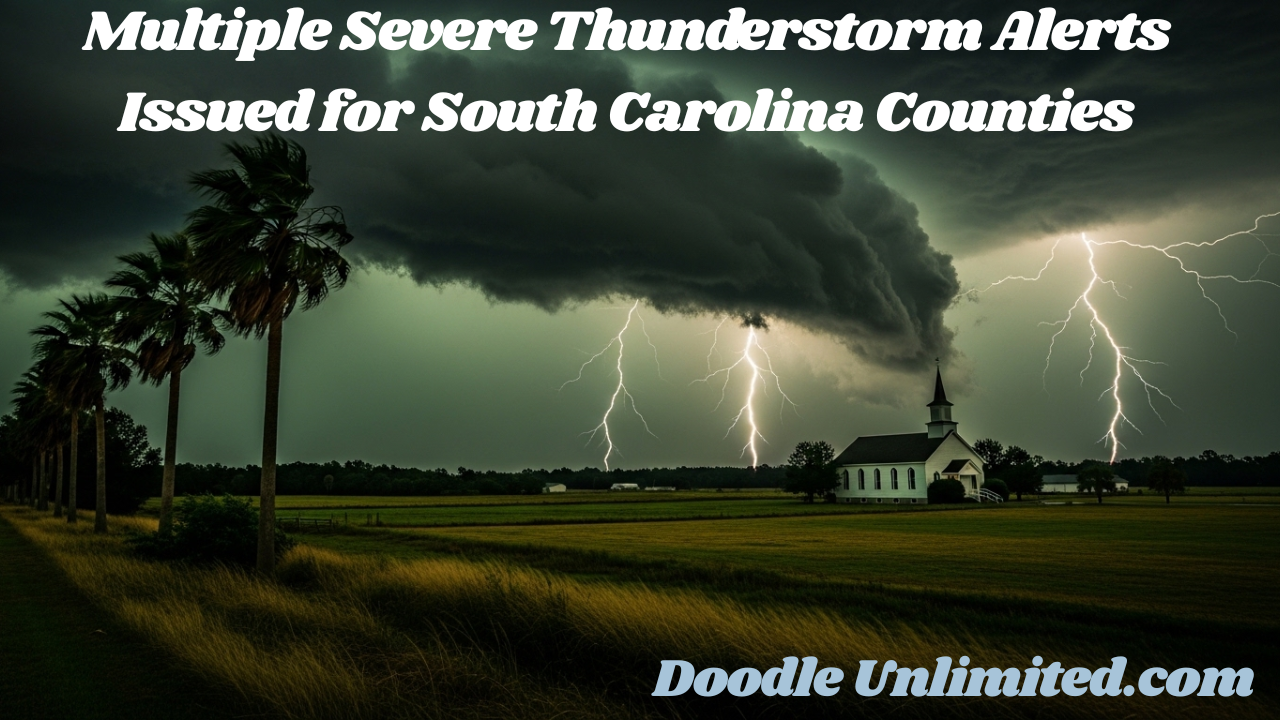
As dark clouds gather and the wind begins to howl, residents across South Carolina are bracing for what could be a turbulent day. Multiple severe thunderstorm alerts have been issued, sending a clear message: it’s time to pay attention. These warnings indicate that dangerous weather is on the way, bringing with it potential risks and disruptions. Understanding these alerts can make all the difference when storms strike. Get ready as we dive into what this means for your safety and community resilience during storm season in South Carolina.
Multiple Severe Thunderstorm Alerts Issued for South Carolina Counties
Recently, multiple severe thunderstorm alerts have been issued for various counties in South Carolina. These warnings indicate that significant weather events are imminent, including heavy rain, strong winds, and potential hail. Residents need to stay informed and prepared as these storms can develop rapidly.
The National Weather Service plays a critical role in sending out these alerts. By monitoring atmospheric conditions closely, they provide timely updates to help keep communities safe during threatening weather events. Being aware is the first step toward safety.
What It Means When Multiple Severe Thunderstorm Alerts Are Issued
When multiple severe thunderstorm alerts are issued, it indicates a heightened risk of dangerous weather. These alerts signal that conditions are favorable for intense storms capable of producing damaging winds, large hail, and heavy rainfall.
Residents in affected areas should take these warnings seriously. Multiple alerts often mean increased severity or widespread coverage across counties, prompting individuals to prepare for potential disruptions and hazards associated with severe thunderstorms. Being proactive is essential during such weather events.
The Role of the National Weather Service in Issuing Alerts
The National Weather Service (NWS) plays a crucial role in monitoring weather conditions and issuing alerts. Using advanced radar technology, meteorologists analyze storm systems to determine their severity and potential impact on various regions.
When multiple severe thunderstorm alerts are issued for South Carolina counties, it reflects the NWS’s commitment to keeping residents informed and safe. Their timely warnings allow communities to take necessary precautions before storms strike, ultimately saving lives and minimizing damage.
Typical Weather Patterns That Trigger Widespread Alerts
Severe thunderstorms often arise from specific weather patterns. Warm, moist air collides with cooler, drier air masses, creating instability in the atmosphere. This interaction can lead to strong updrafts and intense storm development.
Additionally, factors like low-pressure systems or cold fronts moving into the region can also trigger these widespread alerts. As conditions shift rapidly, meteorologists monitor for changes that signal an increased threat of severe weather across multiple counties in South Carolina.
Common Impacts of Severe Thunderstorms in South Carolina
Severe thunderstorms in South Carolina often lead to heavy rainfall that can cause flash flooding. Roads may become impassable, and property damage can occur as water accumulates quickly.
Strong winds frequently accompany these storms, uprooting trees and damaging power lines. This results in widespread outages and dangerous conditions for residents trying to navigate their neighborhoods during or after a storm. The impact on local infrastructure can be significant, hindering emergency response efforts when they’re needed most.
Regional Variability: How Different Counties Are Affected
Severe thunderstorms can impact different counties in South Carolina in varying ways. Urban areas may experience flooding due to poor drainage, while rural regions might face downed trees and power lines.
Counties along the coast often endure stronger winds and storm surges, leading to more significant damage. Inland locations might see hail or tornadoes as storms develop. Understanding these regional differences is crucial for effective preparation and response efforts during severe weather events.
Preparing Homes and Families Before Storms Hit
Preparing your home and family before storms hit is crucial. Start by securing outdoor items like patio furniture, decorations, and gardening tools. Bring them indoors to prevent damage or injury from high winds.
Create an emergency kit stocked with essentials: water, non-perishable food, flashlights, batteries, first aid supplies, and important documents. Make a family communication plan so everyone knows what to do when alerts are issued. Practicing these steps can help ensure safety during severe thunderstorms.
What to Do During a Severe Thunderstorm
Seek shelter immediately in a sturdy building. Stay away from windows, doors, and outside walls. If you’re in a mobile home or temporary structure, find a more secure location.
Listen to weather updates via radio or smartphone for real-time alerts. Avoid using electrical appliances and unplug devices if possible. Remain indoors until the storm passes, as even brief breaks can be misleading. Always have an emergency kit ready with essentials like water, food, and first aid supplies accessible.
The Importance of Heeding Official Weather Alerts
Ignoring official weather alerts can have serious consequences. When authorities issue warnings, they provide critical information that can save lives and protect property. Staying informed allows families to make timely decisions about safety.
Official alerts are based on scientific data and expert analysis, ensuring the public receives accurate forecasts. Heeding these warnings means staying ahead of potential danger, whether it’s seeking shelter or preparing for power outages. A proactive approach is essential during severe weather events.
After the Storm: Safety and Recovery
After a severe thunderstorm, safety becomes the top priority. Check your home for damage, especially to roofs and windows. If you notice any hazards like downed power lines or gas leaks, report them immediately.
Recovery can take time, so stay connected with local services for updates and assistance. Document any damages for insurance purposes. Gather supplies such as water and non-perishable food while ensuring your family stays safe during the aftermath of the storm.
Community and Emergency Services Response
Emergency services in South Carolina are always on high alert during severe thunderstorm alerts. Local agencies coordinate closely to ensure swift response times, prioritizing public safety and preparedness.
Community outreach programs help residents understand storm risks and appropriate actions. Volunteers may assist with shelter operations or distributing resources like food and water. This collaborative effort strengthens community resilience, fostering a shared commitment to safety amid storm threats.
Looking Ahead: Climate Considerations and Storm Frequency
Climate change is influencing weather patterns globally, and South Carolina is no exception. With rising temperatures and shifting precipitation trends, the frequency of severe thunderstorms may increase in the coming years.
These changes could lead to more unpredictable storm behavior. Residents should stay informed about long-term climate forecasts that might affect their communities. Understanding these dynamics helps prepare for potential impacts on daily life and safety measures during severe weather events.
Frequently Asked Questions About Severe Thunderstorm Alerts in South Carolina
Severe thunderstorm alerts often raise questions among residents. Many wonder how these warnings differ from regular weather updates. Alerts are issued based on specific criteria, indicating potential hazards like damaging winds or large hail.
Another common inquiry is about the timing of these alerts. Residents frequently ask how far in advance they can expect a warning before storms arrive. Understanding alert systems helps everyone prepare and respond effectively during severe weather situations in South Carolina.
Final Thoughts
Staying informed during severe weather is crucial for safety. Multiple severe thunderstorm alerts issued for South Carolina counties highlight the urgency to prepare and take action. As storms become more frequent, understanding their implications becomes essential.
Communities need to come together in times of crisis. Sharing resources and information can significantly reduce risks associated with these powerful thunderstorms. Being proactive ensures that families stay safe while navigating unpredictable weather patterns.
FAQs
When severe weather strikes, many questions arise. Understanding the specific alerts and warnings can help residents stay safe. For instance, knowing where tornado Alley is located in South Carolina can prepare communities for potential threats.
People often wonder what constitutes a thunderstorm or if there are any tropical storms currently affecting the area. These inquiries highlight the importance of staying informed during severe weather events to ensure safety and readiness.
Where is tornado Alley in South Carolina?
Tornado Alley is often associated with the central United States, but South Carolina has its own areas prone to tornado activity. The state experiences a significant number of tornadoes, particularly in the midlands and upstate regions.
Counties like Greenville, Spartanburg, and Richland frequently see severe storms that can spawn tornadoes. Local geography plays a crucial role in these patterns, making awareness vital for residents in those areas during storm season.
What is a thunderstorm?
A thunderstorm is a weather event characterized by the presence of lightning, thunder, and heavy rain. These storms form when warm, moist air rises rapidly in the atmosphere, creating turbulent conditions.
As the warm air cools, water vapor condenses into clouds. This process can lead to intense rainfall and even severe weather phenomena like hail or tornadoes. Thunderstorms can vary in intensity but often bring strong winds and sudden changes in temperature.
Is there a tropical storm in South Carolina right now?
Currently, there are no active tropical storms in South Carolina. However, the hurricane season typically runs from June to November, so residents should stay vigilant. Tropical systems can develop quickly and change paths unexpectedly.
Monitoring local news channels and weather apps is essential for real-time updates. The National Hurricane Center provides reliable information on any potential threats heading toward the state, ensuring you’re prepared for any changes in conditions. Stay informed and ready throughout the season.
What was the worst natural disaster in South Carolina?
South Carolina has faced various natural disasters, but Hurricane Hugo in 1989 stands out. This Category 4 storm caused extensive damage, particularly in Charleston and surrounding areas. With winds exceeding 135 mph, it left thousands without power and led to significant flooding. The aftermath required years of recovery efforts. Understanding past events like this helps residents prepare for future storms and emphasizes the importance of heeding alerts, especially when multiple severe thunderstorm warnings are issued across counties.