
 By Richard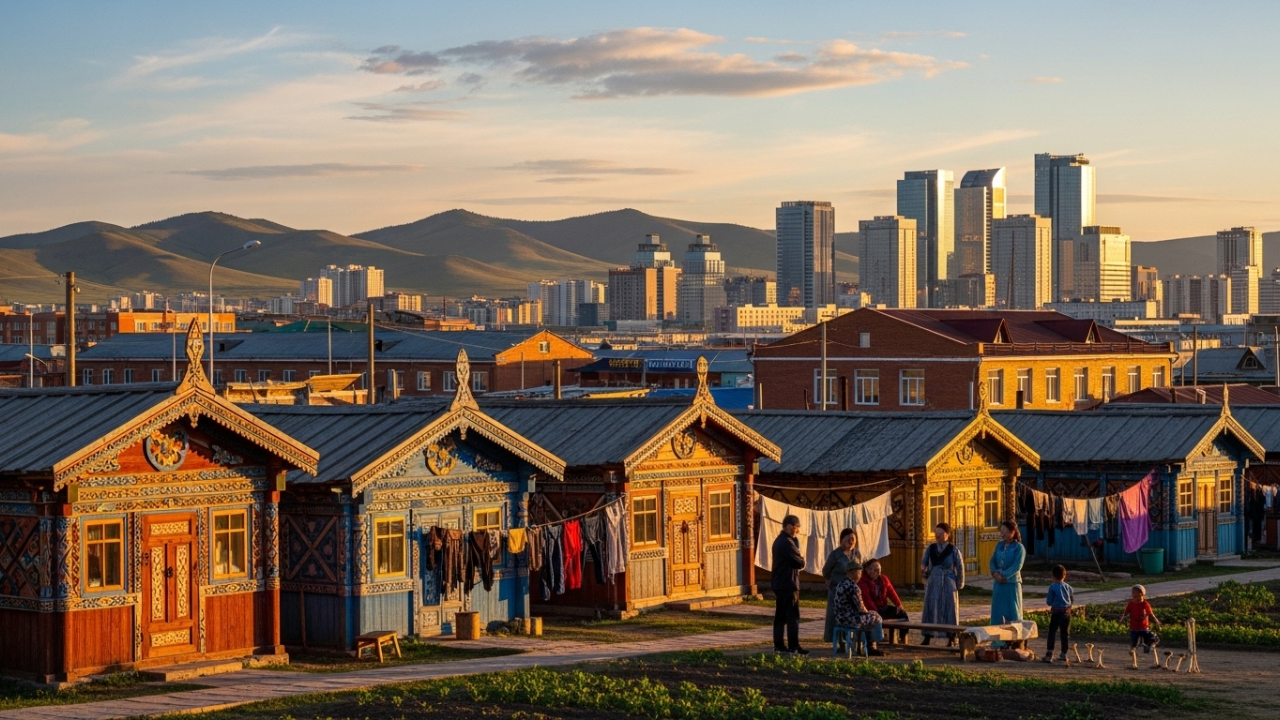
Welcome to the vibrant world of Oronsuuts, a unique art form that reflects Mongolia’s rich cultural heritage. These traditional dwellings are more than just buildings; they represent the heart and soul of nomadic life intertwined with urbanity. As Ulaanbaatar continues to grow, understanding Oronsuuts becomes essential for anyone looking to grasp the essence of Mongolian culture. Join us on this journey as we uncover the layers behind this fascinating architectural style and its significance in modern society. You might just find that there’s much more than meets the eye!
Discovering Oronsuuts: The Cultural Significance Behind the Art Form
Oronsuuts are not merely structures; they embody a blend of tradition and innovation that resonates deeply with the Mongolian spirit. Rooted in centuries-old nomadic practices, these homes reflect the values of community, adaptability, and resilience. Their circular designs often mimic the yurt, symbolizing harmony with nature.
In urban settings like Ulaanbaatar, Oronsuuts have transformed to meet modern needs while retaining cultural significance. They serve as vital links between past and present, reminding residents of their heritage amidst rapid change. Each Oronsuut tells a story—of family life, shared experiences, and an enduring connection to Mongolia’s vast landscapes.
The Meaning and Real Concept Behind Oronsuuts
Oronsuuts represents more than just a housing concept in Mongolia; it embodies cultural resilience and adaptability. This unique architectural style reflects the country’s nomadic heritage while catering to modern urban needs.
At its core, Oronsuuts signifies community living, where individuals share spaces and resources. The design fosters connections among residents, creating a sense of belonging that transcends mere brick-and-mortar structures. This art form celebrates both tradition and innovation, showcasing how Mongolians have merged their rich history with contemporary lifestyles for generations.
The Origin and Evolution of Oronsuuts in Mongolia
Oronsuuts originated in Mongolia during the mid-20th century, as urbanization began to reshape traditional lifestyles. These buildings emerged as a practical response to housing shortages, reflecting both local needs and international architectural influences.
Over time, Oronsuuts evolved into distinct structures that blend functionality with cultural significance. They became symbols of resilience for many Mongolians adapting to rapid changes. Today, these spaces serve not just as homes but also foster community connections essential for navigating urban life in Mongolia’s capital city, Ulaanbaatar.
Key Features of Oronsuuts Housing
Oronsuuts housing showcases unique architectural elements that reflect Mongolia’s cultural heritage. These buildings often feature spacious layouts with large windows, allowing natural light to flood the interiors. Traditional designs incorporate local materials, blending modernity with classic Mongolian aesthetics.
Additionally, Oronsuuts developments typically include communal spaces for residents. Parks and playgrounds foster a sense of community among neighbors, creating an inviting atmosphere. This blend of private living areas and shared amenities enhances the quality of life for those who call Oronsuuts home.
How Oronsuuts Works in Real Life
Oronsuuts serve as a unique blend of tradition and modernity, seamlessly integrating into the daily lives of Mongolians. These structures often feature communal spaces that foster social interactions, creating a sense of community among residents.
In real life, living in an oronsuuts means adapting to shared resources like laundry facilities and recreational areas. While some may find this adjustment challenging, it also encourages neighborly connections and collaboration. The design reflects not just architectural choices but also cultural values deeply rooted in cooperation and togetherness within urban settings.
Oronsuuts and Everyday Urban Life in Ulaanbaatar
Oronsuuts play a vital role in shaping everyday life in Ulaanbaatar. These residential structures are not just homes; they are vibrant communities where families share experiences and local traditions. Streets around Oronsuuts bustle with markets, cafes, and small shops that cater to the needs of residents.
Life within these buildings fosters a sense of belonging among neighbors. Children play together while adults gather for conversations, creating an atmosphere rich in cultural exchange. This communal living environment enhances social bonds, making Oronsuuts more than mere housing—it’s about lifestyle and connection amidst urban realities.
Benefits and Advantages of Oronsuuts
Oronsuuts offer a unique blend of affordability and accessibility that appeals to many urban dwellers. These compact living spaces often come with essential amenities, making them practical for both singles and families. Their design fosters community interactions, allowing residents to connect in meaningful ways.
Additionally, Oronsuuts are strategically located near public transport and local markets. This convenience enhances daily life by reducing commute times and providing easy access to necessities. The focus on functionality ensures that these homes cater to diverse lifestyles while promoting a sense of belonging within the neighborhoods.
Challenges and Limitations of Oronsuuts
Oronsuuts, while culturally significant, face notable challenges. One major limitation is the lack of modern infrastructure. Aging facilities often struggle to meet current living standards. This can lead to discomfort for residents who seek contemporary amenities.
Additionally, overcrowding poses issues in many urban settings like Ulaanbaatar. The demand for affordable housing often surpasses supply, resulting in cramped conditions that detract from the quality of life. These factors create a complex environment where tradition meets the pressing needs of a growing population.
Price Pressure and Housing Market Reality
The housing market in Mongolia, particularly concerning oronsuuts, faces significant price pressure. Demand often outpaces supply, leading to inflated prices that can make homeownership seem like a distant dream for many residents. This imbalance affects not only buyers but also renters navigating the urban landscape.
As more people flock to Ulaanbaatar seeking opportunities, competition intensifies. The allure of modern living spaces conflicts with traditional values and affordability. Consequently, understanding pricing dynamics is essential for anyone considering an investment in this unique housing form while striving to maintain cultural roots amid modernization challenges.
The Role of Online Property Listings
Online property listings have revolutionized how potential buyers and renters explore oronsuuts. With just a few clicks, users can access detailed information about various properties, including photos, location, and pricing. This digital shift has made it easier to compare options and find the perfect home.
Moreover, these platforms often provide insights into neighborhood amenities and local markets. They empower consumers by offering transparency in real estate transactions. As more people turn online for their housing needs, the visibility of oronsuuts continues to grow within a competitive landscape.
Why Neighborhood Matters More Than Design
When it comes to oronsuuts, the neighborhood often holds more weight than the design itself. A vibrant community can enhance daily life significantly. Proximity to schools, parks, and shops adds convenience that beautifully designed spaces can’t replicate.
Safety and social dynamics also play a crucial role. Living in a friendly environment fosters connections among residents. These relationships contribute to an overall sense of belonging, making everyday experiences richer than mere aesthetics alone could provide. The right neighborhood transforms any living space into a true home.
Apartment Layout Decisions That Matter
Choosing the right apartment layout in an oronsuuts can significantly impact daily life. Open floor plans often create a feeling of spaciousness, making small areas feel larger. Conversely, traditional layouts offer privacy and defined spaces that cater to various activities.
Consideration for natural light is also crucial. Apartments with strategically placed windows not only enhance ambiance but can reduce energy costs by minimizing reliance on artificial lighting. Balancing personal preferences with functionality ensures that your living space aligns with both lifestyle needs and aesthetic desires.
Building Management – The Hidden Factor
Building management plays a crucial yet often overlooked role in the success of oronsuuts. Efficient management ensures that facilities are well-maintained, utilities run smoothly, and residents feel secure. A proactive building manager can address issues before they escalate, enhancing the overall living experience.
Additionally, strong communication between management and tenants fosters a sense of community. Regular updates about maintenance schedules or upcoming events create transparency. When residents know their concerns are heard and addressed promptly, it builds trust and satisfaction in their oronsuuts lifestyle.
Why Older Oronsuuts Buildings Still Compete
Older Oronsuuts buildings continue to compete in today’s market due to their unique charm and historical significance. Many of these structures have been well-maintained, showcasing the craftsmanship that characterized earlier designs. They often feature larger living spaces compared to newer developments, making them attractive for families.
Moreover, established neighborhoods around older Oronsuuts come with a sense of community and familiarity that many buyers value. Proximity to amenities like schools, parks, and markets adds convenience that new constructions may lack. This blend of heritage and practicality keeps older buildings relevant in modern housing discussions.
Rental Market and Investment Opportunities
The rental market for oronsuuts is increasingly vibrant, attracting both locals and expatriates seeking affordable housing. With Ulaanbaatar’s rapid urbanization, demand for these unique structures continues to rise. Investors are noticing this trend, recognizing potential for steady returns in a competitive landscape.
Opportunities abound for those willing to dive into the oronsuuts sector. Renovating older units can yield significant profits, while new constructions cater to modern tastes. As more people flock to the city, smart investments in this niche could lead to fruitful ventures in Mongolia’s evolving real estate market.
The Future of Oronsuuts Housing
The future of Oronsuuts housing looks promising as urbanization continues to shape Ulaanbaatar. There’s a growing interest in sustainable living, which aligns well with the essence of Oronsuuts—community and functionality. Developers are increasingly focusing on modern designs while preserving cultural elements that make these structures unique.
Emerging technologies and smart home innovations are likely to redefine how residents interact with their spaces, enhancing comfort and convenience. As government policies evolve to support affordable housing solutions, Oronsuuts may become even more accessible for families seeking quality living options without compromising their cultural identity.
With the right balance between modernization and tradition, Oronsuuts can thrive in this rapidly changing landscape, offering a blend of heritage and contemporary lifestyle choices for generations to come.