
 By Richard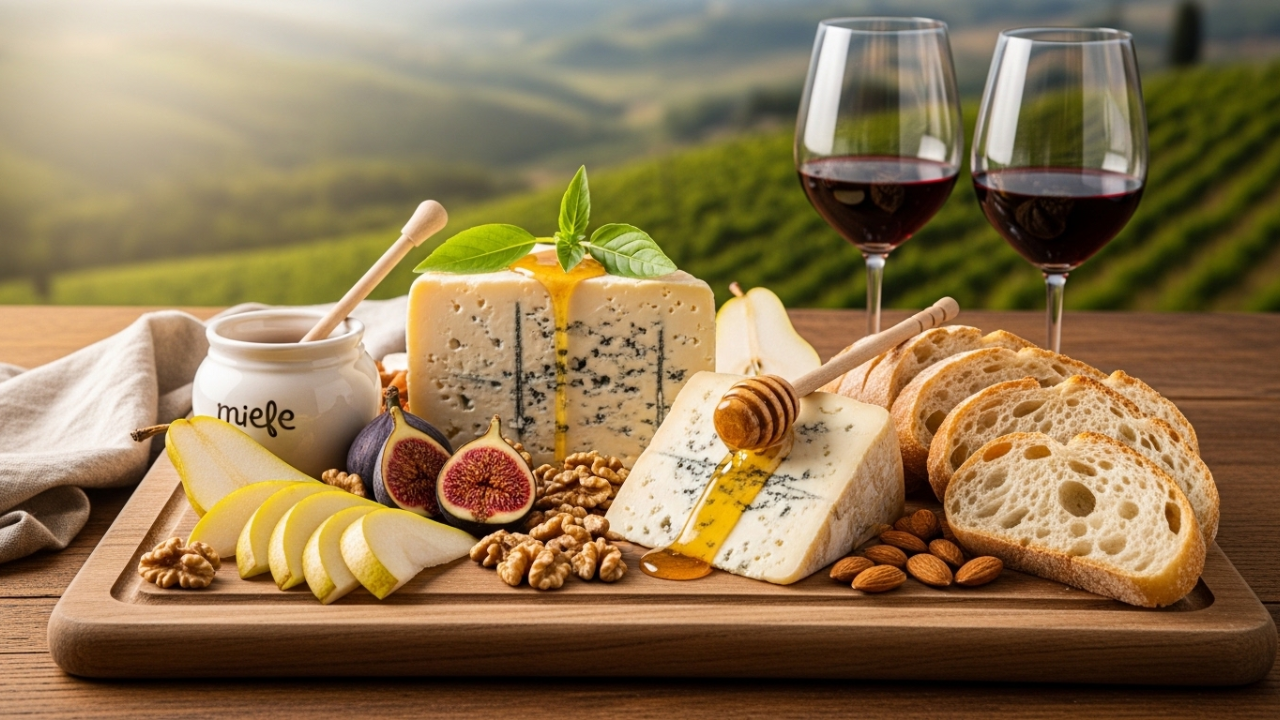
If you’re a cheese lover, you’ve likely encountered a variety of flavors and textures that tantalize your palate. Among these delights is masgonzola, an intriguing cousin of the well-known Gorgonzola. This cheese isn’t just about taste; it’s steeped in history and culinary versatility. Whether you’re drizzling it over pasta or pairing it with fruits and wines, masgonzola brings a unique character to every dish. Join us on this flavorful journey as we explore the rich heritage of masgonzola cheese and discover how to incorporate its bold flavor into your everyday meals!
Masgonzola Cheese: A Flavorful Journey Through Its History and Uses
Masgonzola cheese has its roots in Italy, particularly the picturesque region of Lombardy. Known for its distinct blue veining and creamy texture, this cheese has been enjoyed since the Middle Ages. Its unique flavor profile reflects centuries of artisanal craftsmanship.
Traditionally made from cow’s milk, masgonzola strikes a balance between tangy and savory notes. This beloved cheese is now popular worldwide, celebrated not only for its taste but also for its versatility in various culinary creations. It’s perfect for enhancing both simple dishes and gourmet meals alike.
Introduction
Masgonzola cheese, a rich and creamy blue cheese from Italy, has captivated the taste buds of many around the world. Its unique flavor profile combines tangy notes with a buttery texture, making it a versatile ingredient in various dishes.
This beloved cheese boasts centuries of history and culinary significance. From its origins to modern-day uses, masgonzola continues to inspire chefs and home cooks alike. Join us as we explore its fascinating journey through time and discover delightful ways to enjoy this exceptional cheese.
The History of Masgonzola Cheese
Masgonzola cheese, a rich and creamy blue cheese, hails from the Italian region of Lombardy. Its roots trace back to the 9th century when local farmers began experimenting with milk curds. The unique environment around Gorgonzola village contributed to its distinct flavor.
As time progressed, masgonzola gained popularity across Italy and eventually worldwide. Traditional methods were preserved while modern techniques helped refine its production. This blend of history and innovation has ensured that masgonzola remains a beloved choice for culinary enthusiasts everywhere.
Culinary Uses of Masgonzola Cheese
Masgonzola cheese is a versatile ingredient that enhances numerous dishes. Its creamy texture and bold flavor make it perfect for sauces, dressings, and spreads. Try crumbling it over salads or incorporating it into pasta dishes for a rich twist.
Beyond traditional uses, masgonzola shines in gourmet pizza toppings and savory pastries. It pairs beautifully with fruits like pears or figs, creating an exquisite balance of flavors. Experimenting with masgonzola can elevate your culinary creations to new heights while impressing family and friends alike.
Masgonzola Cheese Recipes
Masgonzola cheese adds a creamy, tangy kick to various dishes. Try it crumbled over fresh salads for an instant flavor boost or melted into pasta sauces for a luxurious texture. It works wonders in risottos too, enhancing the dish with its distinctive taste.
For something bold, incorporate masgonzola into stuffed chicken breast or blend it into dips for your next gathering. The possibilities are endless; let your creativity shine as you explore this versatile cheese in everyday cooking!
Pairing Masgonzola Cheese with Beverages
Masgonzola cheese’s bold flavors pair wonderfully with a variety of beverages. For wine lovers, opt for a sweet dessert wine or a robust red to complement its creamy texture and tangy notes. The contrast enhances the overall tasting experience.
For beer enthusiasts, try pairing Masgonzola with an amber ale or stout. The rich maltiness balances the cheese’s sharpness nicely. Don’t forget about cocktails; a gin-based drink can offer refreshing herbaceous tones that elevate the savory aspects of Masgonzola.
Tips for Serving Masgonzola Cheese
Serve masgonzola cheese at room temperature to enhance its rich flavors. Allow it to sit out for about 30 minutes before serving; this brings out the creamy texture and complex taste.
Pair it with fresh fruits like pears or figs, which complement its tanginess beautifully. Crusty bread or hearty crackers also work well, adding a satisfying crunch. For an elegant touch, consider drizzling honey over the cheese before presenting it on your cheese board.
Conclusion
Masgonzola cheese is more than just a flavorful addition to dishes; it embodies rich traditions and culinary artistry. Its history weaves through time, showcasing how this delightful cheese has become cherished worldwide.
Exploring masgonzola opens doors to creative cooking adventures. Whether you’re using it in salads or as a standout on cheese boards, the versatility of masgonzola enhances every meal experience with its unique taste profile. Discovering new ways to incorporate this cheese can elevate your dining moments significantly.
FAQs
Curious minds often wonder about masgonzola and its delightful nuances. One common question is what exactly gorgonzola is made of. This cheese typically comes from cow’s milk and has a rich, creamy texture that many adore.
Another frequent inquiry revolves around the strength of gorgonzola’s flavor. While it can be quite bold for some, others find it pleasantly tangy and complex. When exploring pairings, fans frequently ask what dishes complement gorgonzola beautifully, making meal planning easier and more enjoyable!
What is Gorgonzola made of?
Gorgonzola is a type of blue cheese originating from Italy, primarily made from cow’s milk. The milk undergoes pasteurization before it’s transformed into curds, which are then drained and treated with Penicillium roqueforti mold. This unique aspect gives Gorgonzola its distinct flavor and signature marbling.
The aging process lasts between three to six months in controlled conditions, allowing the cheese to develop its creamy texture and rich taste. This craftsmanship makes Gorgonzola beloved by many culinary enthusiasts worldwide.
Is Gorgonzola very strong?
Gorgonzola, known for its distinct blue veins, offers a unique flavor profile. It can range from mild to strong depending on the aging process. Younger varieties tend to have a creamy texture and gentle taste.
As it matures, Gorgonzola develops sharper notes and a more pungent aroma. This complexity appeals to many cheese lovers but may be overwhelming for those unaccustomed to bold flavors. It’s all about personal preference when determining how strong Gorgonzola truly is for each individual.
What does Gorgonzola mean?
Gorgonzola is a term that originates from the Italian town of Gorgonzola, located near Milan. This cheese has been produced in Italy for centuries and carries with it a rich cultural heritage. The name itself reflects both its geographic roots and its unique character.
In terms of flavor, Gorgonzola refers to blue-veined cheese known for its creamy texture and sharp taste. It’s categorized into two main varieties: sweet and spicy, each offering distinct profiles to tantalize your palate.
What is Gorgonzola good with?
Masgonzola cheese boasts a unique flavor that pairs beautifully with an array of dishes. It complements sweet fruits like pears and figs, enhancing their natural sweetness. This cheese also shines in salads, where its creamy texture contrasts perfectly with crunchy greens and tangy dressings.
In pasta dishes, masgonzola can transform a simple meal into gourmet fare. Its bold taste is ideal for sauces or as a topping on risottos. For the adventurous palate, try it crumbled over grilled meats or vegetables.
When creating charcuterie boards, masgonzola adds depth alongside cured meats and olives. With such versatility in flavors and textures, this cheese truly enhances any dining experience!