
 By Richard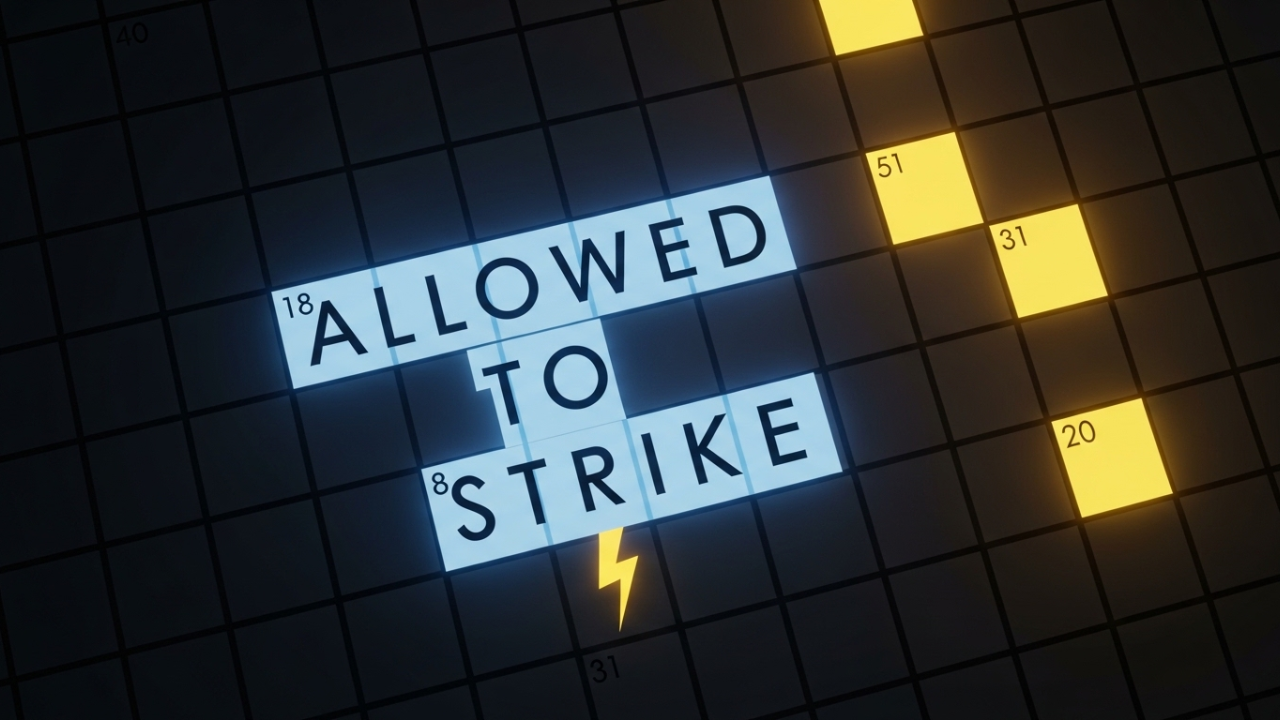
Crossword puzzles have long captivated word enthusiasts and casual solvers alike. They challenge our minds while providing a delightful escape into the world of language. One intriguing phrase that often pops up in conversations about these puzzles is “allowed to strike NYT.” But what does it mean? If you’ve ever found yourself puzzled by this term, you’re not alone. Today, we’re diving deep into its significance within the New York Times crossword community, exploring everything from clever clues to construction styles. Whether you’re an avid solver or just curious about crosswords, there’s something here for everyone!
Table of Contents
Navigating the world of crossword puzzles can feel overwhelming at times. That’s why having a clear roadmap is essential. This blog post will guide you through the nuances of understanding the phrase “allowed to strike NYT.”
We’ll break down various aspects, from unique wordplay to the different styles employed in Saturday crosswords. By exploring these elements, you’ll gain insight into what makes New York Times crosswords stand out.
So, whether you’re looking for tips on cracking tough clues or simply want to appreciate the art of construction, stick around! There’s plenty to uncover about this fascinating topic that keeps solvers coming back for more.
Breaking Down the Wordplay
Wordplay is at the heart of crossword puzzles, especially in the New York Times. The phrase “allowed to strike” plays with multiple meanings. It can refer to permission, but it also hints at a more playful or cryptic interpretation.
This clever duality adds layers to solving clues. Constructors use such wordplay intentionally to challenge solvers and encourage lateral thinking. It’s not just about filling in squares; it’s about unraveling intent behind each clue.
When you encounter phrases like “allowed to strike,” take a moment. Consider all possible interpretations before committing an answer. Embracing this approach can significantly enhance your puzzle-solving experience and enjoyment.
Saturday Crosswords Play Different
Saturday crosswords in the New York Times offer a unique challenge compared to other days of the week. Unlike Monday through Friday, where clues tend to be more straightforward, Saturdays invite solvers into a labyrinth of wit and wordplay.
The difficulty ramps up significantly, with trickier clues that often require lateral thinking. You’re not just filling in words; you’re unraveling clever puzzles meant to stretch your brain.
This format keeps seasoned crossword enthusiasts on their toes while also enticing newcomers looking for a fun challenge. It’s this distinct character that makes Saturday’s offerings so engaging and satisfying once completed.
The Cryptic Crossword Connection
Cryptic crosswords have a unique charm that sets them apart from traditional puzzles. They often rely on wordplay, misdirection, and double meanings to challenge solvers. The phrase “allowed to strike NYT” exemplifies this playful approach.
In cryptics, clues can be layered with hidden elements requiring lateral thinking. This makes every clue an intriguing riddle rather than a straightforward question. When solvers encounter phrases like this in the New York Times Crossword, they may feel echoes of cryptic conventions.
Many constructors draw inspiration from these puzzles. They aim to engage solvers not just through definitions but also by inviting them into a game of wit and creativity.
How to Crack Similar Clues
Cracking similar clues in crosswords requires a mix of creativity and lateral thinking. When you encounter phrases like “allowed to strike,” consider multiple interpretations. Think about synonyms and idiomatic expressions that could fit the context.
Breaking down the clue can also help. Look for key components, such as verbs or prepositions, which often hint at wordplay or puns. Sometimes, what seems straightforward is hiding layers beneath.
Familiarize yourself with common crossword conventions too. For instance, constructors may use playful language or double meanings frequently. By tuning into these patterns, you’ll enhance your skills in solving tricky clues efficiently over time.
Why Constructors Choose This Style
Constructors often choose playful wordplay to engage solvers in unique ways. This style challenges players to think outside the box and explore multiple meanings of words or phrases. It adds an extra layer of intrigue that keeps enthusiasts coming back for more.
Moreover, using clever clues allows constructors to showcase their creativity and wit. It’s not just about filling in squares; it’s about crafting a memorable experience for the solver. Each clue can spark joy, provoke thought, or even inspire laughter.
Additionally, this approach can elevate the overall quality of a crossword puzzle. It encourages linguistic exploration and enriches vocabulary while ensuring that puzzles remain fresh and exciting through innovative cluing techniques.
The NYT Crossword Evolution
The NYT Crossword has undergone significant changes since its inception in 1942. Initially, it adhered to traditional cluing styles and straightforward wordplay. However, as the puzzle gained popularity, constructors began experimenting with themes and unconventional clues.
In recent years, a shift toward more diverse voices among constructors has emerged. This evolution reflects broader cultural shifts and inclusivity within the crossword community. Clues now often incorporate contemporary references alongside classic trivia.
Moreover, digital platforms have transformed how solvers interact with crosswords. The advent of mobile apps allows for instant feedback and social sharing, further engaging a new generation of enthusiasts eager to tackle innovative puzzles like “allowed to strike NYT.”
What This Means for Solvers
For solvers, the phrase “allowed to strike nyt” opens up a new layer of understanding and engagement with the crossword. It hints at a playful interplay between language and logic that requires both intuition and knowledge. This nuance can elevate the solving experience from mere completion to an enjoyable challenge.
When encountering such clues, solvers may feel more encouraged to think outside conventional answers. They learn that words can bend in meaning, leading them toward creative interpretations.
This shift not only enhances critical thinking skills but also fosters a deeper appreciation for construction artistry behind each puzzle. As they navigate through these clever complexities, solvers become part of an evolving dialogue within the crossword community.
The Future of Crossword Cluing
The future of crossword cluing is bright and diverse. As constructors experiment with fresh ideas, solvers can expect more engaging themes and clever wordplay. This evolution invites both seasoned enthusiasts and newcomers to enjoy the challenge.
Technology plays a key role in shaping crosswords today. With digital platforms on the rise, interactive puzzles are becoming the norm. These allow for real-time updates, hints, and even community features that enhance collaboration among solvers.
Moreover, inclusivity is gaining traction in crossword construction. Constructors are increasingly considering diverse voices, ensuring clues resonate with a wider audience. This shift not only enriches content but also strengthens connections within the crossword community.
Similar Articles
The world of crosswords is vast and constantly evolving. If you’re intrigued by the nuances of clues like “allowed to strike nyt,” you might enjoy exploring similar articles that delve into crossword techniques, strategies, and styles. Check out pieces discussing cryptic clues, thematic puzzles, or even interviews with renowned constructors. Each article offers a unique perspective on this beloved pastime. Whether you’re a seasoned solver or just starting your journey in the realm of wordplay, there’s always something new to learn and discover in the exciting universe of crosswords. Happy puzzling!