
 By Richard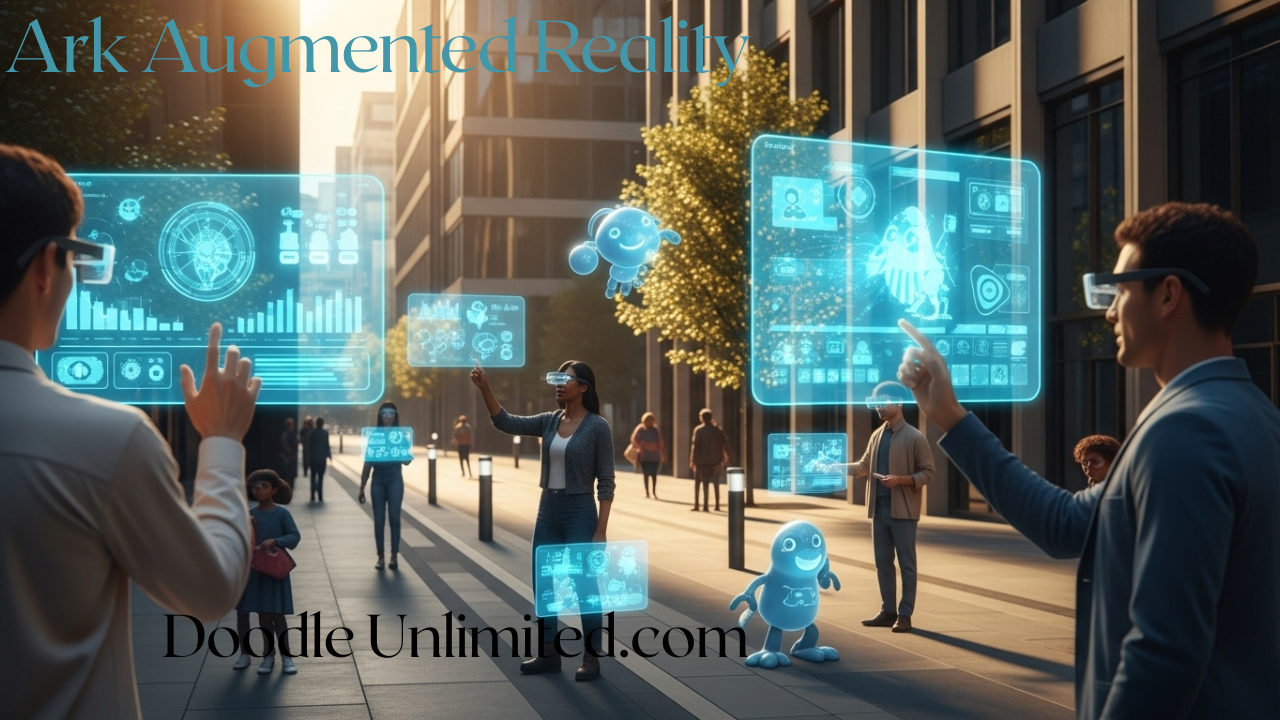
Imagine stepping into a world where the digital and physical realms seamlessly intertwine. That’s the magic of augmented reality (AR). With technologies continuously evolving, AR has become more than just a buzzword; it’s transforming how we interact with our environment, enhancing everyday experiences in profound ways. Enter Ark Augmented Reality—a cutting-edge platform that is revolutionizing this space. In this blog post, we’ll explore how Ark bridges the gap between virtual and physical worlds, creating immersive experiences across various industries while also addressing challenges along the way. Buckle up as we dive into the fascinating universe of AR!
Ark Augmented Reality: Bridging the Gap Between the Virtual and Physical Worlds
Ark Augmented Reality is paving the way for a new era of interaction. By blending digital content with real-world environments, it creates engaging experiences that enhance daily life. From gaming to education, Ark transforms how users perceive their surroundings, making the virtual feel tangible and inviting exploration like never before.
Introduction
Augmented reality (AR) is transforming how we interact with our surroundings. Ark augmented reality stands out by seamlessly blending the digital and physical worlds. This innovative technology fosters new experiences that captivate users, from gaming to education, making everyday life more engaging and interactive than ever before.
Understanding the Evolution of AR Technology
Augmented reality technology has transformed dramatically over the years. It began with simple overlays and has evolved into complex interactive experiences. Today, AR seamlessly merges digital content with our physical surroundings, driven by advancements in hardware and software. This evolution enables innovative applications that enhance both entertainment and practical uses.
Exploring ARK Augmented Reality
ARK Augmented Reality is at the forefront of blending digital content with the real world. By utilizing advanced technologies and user-friendly interfaces, it transforms how we interact with our surroundings. From gaming to education, ARK opens new doors for creativity and engagement, redefining experiences in a visually captivating manner.
Defining ARK Augmented Reality
ARK Augmented Reality integrates digital elements into real-world settings, enhancing user interactions. This innovative technology allows users to visualize information and experiences in a seamless manner. By merging virtual assets with physical environments, ARK creates opportunities for immersive engagement, transforming how we perceive and interact with our surroundings.
Applications Across Different Industries
Ark augmented reality is transforming various sectors. In retail, it enhances shopping experiences through virtual try-ons. Healthcare uses AR for surgical guidance and training. Education incorporates immersive learning environments, while real estate offers virtual property tours. Each industry benefits from the engaging, interactive nature of AR technology, fostering innovation and efficiency.
ARK Augmented Reality in User Experience Design
ARK augmented reality revolutionizes user experience design by creating interactive environments. It allows designers to blend digital elements seamlessly into physical spaces. This enhances engagement and encourages exploration, making experiences more memorable. Users can connect with products or services in innovative ways that traditional methods simply cannot achieve, fostering a richer interaction.
Enhancing Interactions and Experiences
ARK Augmented Reality transforms how users interact with their environment. By seamlessly blending digital elements with the physical world, it enriches experiences—be it shopping, gaming, or education. This technology creates engaging moments that captivate attention and foster deeper connections between brands and consumers in innovative ways.
Creating Immersive Interactions
Immersive interactions transform how users engage with digital content. By integrating realistic visuals and responsive elements, AR experiences create a sense of presence that captivates audiences. These layers of interaction draw users deeper into narratives, making every touchpoint memorable and effective in leaving lasting impressions on both customers and brands.
Balancing Digital and Physical Worlds
Balancing the digital and physical worlds is essential in AR. Users must seamlessly transition between virtual overlays and their real environments, ensuring that one complements the other. This harmony enhances user engagement while preventing distractions, ultimately leading to a more immersive experience that feels both authentic and enriching.
Location-Based Experiences
Location-based experiences harness AR’s power to blend digital content with the physical environment. Users interact with virtual elements anchored to real-world locations, enhancing exploration and discovery. This technology transforms mundane outings into engaging adventures, enabling brands and developers to create tailored experiences that resonate deeply with users in their surroundings.
Interactive Brand Experiences
Interactive brand experiences leverage AR technology to engage consumers in innovative ways. By merging digital content with real-world settings, brands can create memorable interactions that resonate. This approach not only captivates audiences but also fosters loyalty and encourages sharing, amplifying brand presence across various platforms and driving consumer engagement.
Data-Driven Engagement
Data-driven engagement transforms how brands interact with consumers. By leveraging analytics, ARK Augmented Reality can create personalized experiences tailored to user preferences. This approach fosters deeper connections, encourages participation, and enhances brand loyalty while providing valuable insights into consumer behavior and trends that drive strategic marketing decisions.
Challenges and Considerations
As AR technology evolves, several challenges emerge. Hardware limitations can hinder user experiences. Privacy concerns around data usage are paramount, raising questions about security and trust. Additionally, the risk of digital overload may lead to user fatigue, impacting engagement and enjoyment in augmented reality environments. Balancing these factors is crucial for success.
Hardware Limitations
Hardware limitations pose significant challenges for AR experiences. Many devices struggle with processing power and battery life, impacting performance. The disparity in hardware capabilities can lead to inconsistent user experiences. As technology advances, overcoming these barriers will be crucial for widespread adoption and seamless integration of ark augmented reality into daily life.
Privacy and Data Usage
Privacy concerns are paramount in the age of AR. As users engage with AR experiences, personal data is collected for tailored interactions. Companies must ensure transparency about data usage and prioritize user consent. Striking a balance between personalization and privacy will foster trust and enhance user engagement in augmented reality environments.
Digital Overload
As AR technology becomes more prevalent, users may face digital overload. The constant influx of information can be overwhelming. Striking a balance between engaging experiences and too much data is crucial. Developers must consider user comfort to ensure that augmented reality enhances rather than hinders everyday life and interactions.
Future Prospects
The future of AR holds exciting possibilities. Wearable devices are set to redefine user interactions, making experiences more seamless. AI-driven personalization can enhance engagement by tailoring content to individual preferences. As businesses leverage these advancements, the outcomes will likely transform how we integrate augmented reality into daily life and commerce.
Wearable AR Devices
Wearable AR devices are revolutionizing how we interact with digital content. Smart glasses and headsets seamlessly blend virtual elements into our field of vision, enabling hands-free experiences. These gadgets enhance everything from navigation to gaming, allowing users to engage with their surroundings in innovative ways that were once only imagined.
AI-Driven Personalization
AI-driven personalization in augmented reality tailors experiences to individual users. By analyzing behavior and preferences, it creates customized interactions that feel intuitive and engaging. This technology enhances user satisfaction, making AR applications more relevant and immersive while fostering deeper connections with brands and content through unique personalized journeys.
Business Outcomes
ARK Augmented Reality has the potential to transform business outcomes by enhancing customer engagement and improving sales. By integrating AR experiences into marketing strategies, businesses can create memorable interactions that drive conversions. Companies leveraging AR often see increased brand loyalty and a distinct competitive edge in their respective markets.
Conclusion
As AR technology continues to advance, the potential for enhanced user experiences is limitless. Embracing innovation allows brands and individuals to create engaging interactions that blend seamlessly with our physical surroundings. The future of ark augmented reality promises exciting developments that could redefine how we connect with the world around us.
Optimizing AR Experiences for Performance
Optimizing AR experiences requires fine-tuning graphics and ensuring seamless interactions. Developers should focus on reducing latency to create smooth transitions within the virtual space. Streamlined code and efficient asset management can enhance performance, allowing users to engage fully without frustrating delays or glitches that detract from their experience.
Measuring Success in AR Projects
Measuring success in AR projects involves tracking user engagement, retention rates, and satisfaction levels. Metrics such as time spent interacting with the AR content and conversion rates provide insight into effectiveness. Analyzing feedback helps refine experiences, ensuring that users find real value in augmented reality applications. Data-driven decisions are crucial for improvement.
FAQs
Curious minds often have questions about AR technology. For instance, many wonder how much ARKit costs or what exactly Apple’s ARKit entails. Others may ask if Ark can be enjoyed in VR or whether it’s possible to learn AR and VR without coding skills. The answers can open new doors to exploration.
How much does ARKit cost?
ARKit is a free framework provided by Apple for developers looking to create augmented reality experiences. There are no licensing fees or costs associated with using ARKit itself. However, costs may arise from hardware requirements and additional software tools needed for developing comprehensive AR applications.
What is Apple’s ARKit?
Apple’s ARKit is a powerful framework for creating augmented reality experiences on iOS devices. Launched in 2017, it enables developers to blend digital content with the real world seamlessly. With features like motion tracking and environment understanding, ARKit empowers innovative applications across gaming, education, retail, and beyond.
Can Ark be played in VR?
Ark, primarily designed for augmented reality, does not natively support VR gameplay. However, creative adaptations and mods can enable a virtual reality experience. Players may explore innovative ways to merge AR elements with VR environments, enhancing immersion while discovering the expansive world of Ark in a different dimension.
Can I learn AR VR without coding?
Learning AR and VR without coding is entirely possible. Many platforms offer intuitive tools that let you create immersive experiences using drag-and-drop interfaces. These user-friendly solutions empower creators from various backgrounds. As technology advances, more resources become available for non-coders.
Online courses and tutorials can help beginners understand the fundamentals of AR and VR design. Communities and forums also provide support for those looking to explore these exciting fields creatively. So whether you’re interested in storytelling or interactive art, there’s a way forward in Augmented Reality without diving into code.
The world of ark augmented reality is open to everyone, inviting diverse talents to shape its future.