 By Richard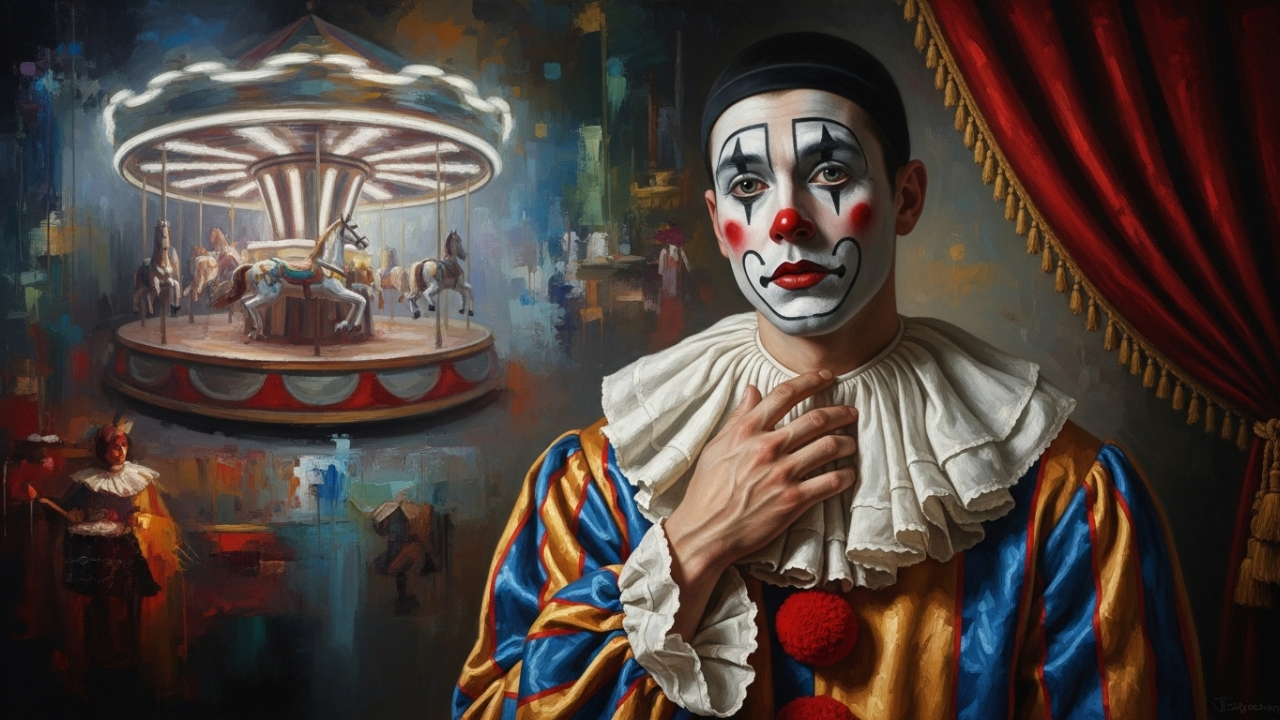
Step right up and enter the vibrant realm of the artistic clown! Beyond the laughter and antics, these colorful figures have captivated audiences for generations. They embody creativity, expression, and a touch of whimsy. Whether through paintbrushes or performances, clowns offer a unique lens into art that transcends mere comedy. Prepare to dive deep into this fascinating world where joy meets artistry in unexpected ways!
The Colorful World of Artistic Clown: More Than Just Laughter
Artistic clowns are vibrant symbols of creativity. Their bold colors and exaggerated features tell stories that evoke a spectrum of emotions. More than just entertainers, these figures reflect the complexities of life, blending humor with deeper themes that resonate across cultures and generations.
Art the Clown
Art the Clown is a chilling figure from horror cinema, known for his eerie smile and silent demeanor. With a penchant for chaos, he embodies fear and dark humor, captivating audiences while leaving them unsettled. His presence lingers long after the credits roll.
Literature
Literature often reflects the whimsical nature of clowns. From playful tales to poignant narratives, clowns embody complex emotions. They serve as symbols of joy and despair, bridging laughter and sorrow, inviting readers to explore the deeper meanings behind their colorful facades.
Clowns
Clowns have long fascinated audiences with their vivid costumes and exaggerated expressions. They embody a blend of joy and melancholy, often evoking laughter while stirring deeper emotions. From circus acts to street performers, clowns remain enduring symbols of creativity and whimsy in the artistic world.
Clown in a Green Cap
The Clown in a Green Cap exudes an air of whimsy and mischief. His vibrant headwear contrasts with his expressive face, capturing the essence of playful antics. This character embodies joy while hinting at deeper emotions beneath the surface, inviting curiosity and laughter alike.
Clown in an Orange Cap and a Monocle
The Clown in an orange cap and a monocle captures attention with its distinct flair. This whimsical character embodies sophistication intertwined with playfulness, showcasing that clowns can be both amusing and stylish. The contrasting colors enhance the visual appeal, making it unforgettable.
Clown Laughing
The image of a clown laughing evokes joy and nostalgia. It captures the spirit of carefree moments, reminding us of childhood delights. This vibrant expression invites everyone to join in happiness, bridging gaps between generations through pure amusement and shared laughter.
Clown Smirking
The smirking clown captures a moment of playful mischief. With a slight curl of the lips, this expression invites intrigue and laughter. It suggests secrets behind the painted face, hinting at stories untold and emotions hidden within layers of vibrant colors.
Clown Smoking
The image of a clown smoking evokes a curious blend of humor and melancholy. It juxtaposes the playful facade with an unexpected vice, inviting viewers to explore deeper narratives. This representation challenges traditional perceptions, revealing complexities beneath the joyful paint and oversized shoes.
Self Portrait with Blue Cap
“Self Portrait with Blue Cap” showcases an introspective clown. The vibrant blue contrasts against expressive features, capturing a moment of vulnerability. This piece invites viewers to explore the deeper emotions behind the colorful facade, revealing the complex identity of the artistic clown.
Self Portrait with Red Cap
The “Self Portrait with Red Cap” captivates viewers with its vibrant colors and expressive brushwork. The subject’s gaze, filled with a mix of confidence and contemplation, draws you in. This piece highlights the artistic clown’s duality—playful yet introspective, evoking curiosity about their world.
Self-portrait as Pierrot
“Self-portrait as Pierrot” captures the melancholic spirit of the iconic clown. With a reflective gaze and delicate attire, this artwork delves into themes of longing and nostalgia, showcasing how artistic clowns embody deeper emotions beyond their comedic facade. A true exploration of identity.
Circus Portrayals in Art
Circus portrayals in art capture the vibrant energy and complexity of these performances. Artists like Georges Seurat and James Ensor explore themes of joy, despair, and the human condition through clowns and acrobats. These pieces reflect both fascination and deeper emotional narratives intertwined with circus life.
The Circus by Georges Seurat
Georges Seurat’s “The Circus” captures a vibrant moment filled with movement and life. The composition brims with energy, showcasing performers in vivid colors. Seurat’s pointillist technique adds depth, making every detail pop while enchanting viewers into the whimsical world of circus excitement.
The Despair of Pierrot by James Ensor
“The Despair of Pierrot” by James Ensor captures the melancholic essence of the artistic clown. The haunting portrayal showcases Pierrot’s sorrow, emphasizing vulnerability beneath the mask of laughter. This piece explores deeper themes of isolation and despair in a vibrant, chaotic world.
Artistic Interpretations
Artistic interpretations of clowns showcase their complexity. From playful representations to deeper emotional expressions, artists capture the duality of joy and sorrow. Each piece invites viewers to explore themes of identity, performance, and vulnerability within the colorful world of the artistic clown.
Bathers
Bathers capture a moment of leisure and joy, often showcasing vibrant colors and playful poses. These works evoke a sense of freedom, celebrating the human form in nature. The splashes of color ignite emotions while inviting viewers into these serene water-filled scenes.
clown clipart black and white
Black and white clown clipart offers a classic, timeless appeal. These simple yet striking images capture the essence of clowns with bold lines and playful expressions. Perfect for projects, they evoke nostalgia while maintaining versatility in design across various media.
clown art drawing
Clown art drawings capture a unique blend of whimsy and emotion. Artists often use bold colors and exaggerated features, making clowns come alive on paper. This playful expression can evoke joy or nostalgia, reminding us of the rich history behind these colorful characters.
clown vector
Clown vector illustrations are versatile and vibrant. Artists use them for playful designs, digital projects, and branding. Their clean lines and bright colors capture the whimsical essence of clowns, making them perfect for everything from party invitations to children’s book covers.
famous clown painting artist
Many renowned artists have captured the essence of clowns in their works. Names like Pablo Picasso and Henri Matisse explored this theme, highlighting the emotional depth behind these colorful figures. Their interpretations reveal a complex relationship between joy and sorrow found in clown artistry.
clown art pinterest
Clown art on Pinterest offers a vibrant collection of creativity. From whimsical illustrations to haunting portrayals, artists showcase their unique interpretations of clowns. Users can explore diverse styles, find inspiration, and even discover DIY clown-themed projects that celebrate this colorful world in unexpected ways.
clown clipart easy
Clown clipart easy designs offer a playful way to add cheer to your projects. From simple outlines to colorful illustrations, they cater to all skill levels. Perfect for invitations, educational materials, or party decorations, these graphics bring joy with minimal effort.
clown drawings
Clown drawings capture the whimsical spirit of these entertainers. Artists use vibrant colors and exaggerated features to highlight their playful essence. Whether it’s joyful or eerie, each piece reflects a unique interpretation, inviting viewers into a world where laughter meets artistry.
clown drawing scary girl
The “clown drawing scary girl” trend taps into deep-seated fears and fascination. Artists create haunting images that blend playful whimsy with eerie undertones. This juxtaposition captivates audiences, reflecting our complex relationship with clowns as both entertainers and unsettling figures in culture.
artistic clown meaning
The term “artistic clown” transcends mere humor. It embodies creativity and expression, showcasing the complexity of human emotion. These clowns often symbolize deeper themes such as joy, sorrow, and societal critique, inviting audiences to reflect beyond laughter into the heart of artistry itself.
artistic clown costume
An artistic clown costume is a vibrant blend of creativity and whimsy. It often features bold colors, exaggerated shapes, and playful accessories. These costumes transform performers into fantastical characters, inviting audiences to explore the deeper emotions behind the laughter and joy they bring.
FAQs
Curious minds often have questions about the colorful realm of artistic clowns. Whether it’s their history, symbolism, or modern interpretations, exploring these inquiries reveals deeper insights into this vibrant art form. Let’s dive into some frequently asked questions to uncover more!
What are the 4 types of clowns?
Clowns come in various styles. The four main types are the Auguste, with a playful demeanor; the Whiteface, known for elegance; the Character Clown, embodying specific roles; and the Tramp, often featuring ragged clothing and a poignant backstory. Each type has its unique charm.
Why is Gen Z wearing clown makeup?
Gen Z embraces clown makeup as a bold expression of individuality. This trend challenges traditional beauty standards and promotes self-identity through vibrant colors and playful designs. It reflects a desire for creativity, humor, and rebellion against societal norms in an ever-evolving cultural landscape.
Who is Artsy the Clown?
Artsy the Clown is a contemporary figure in the world of performance art. Known for vibrant costumes and playful antics, Artsy captivates audiences with engaging storytelling. This character transcends traditional clowning, blending humor with poignant social commentary that resonates deeply today.
Is Terrifier a demon or human?
The character of Art the Clown from “Terrifier” raises intriguing questions about identity. Is he a mere mortal or something beyond? His grotesque appearance and violent antics suggest a demonic nature. Yet, many argue that his actions stem from human malice. The ambiguity adds to his terrifying allure.
Art embodies the fear we project onto clowns. This artistic interpretation stretches into deeper themes of horror and societal fears. As audiences engage with this complex character, they find themselves pondering what defines humanity versus monstrosity.
Such discussions reflect our fascination with clowns as both joyful entertainers and horrifying figures in art and culture. Whether demon or human, Art the Clown serves as a reminder of how multifaceted these characters can be within the colorful world of artistry.
As we explore the realm of artistic clowns, it becomes clear: they are indeed more than just laughter; they encapsulate a spectrum of emotions—from joy to fear—inviting us to examine our perceptions deeply.