
 By Richard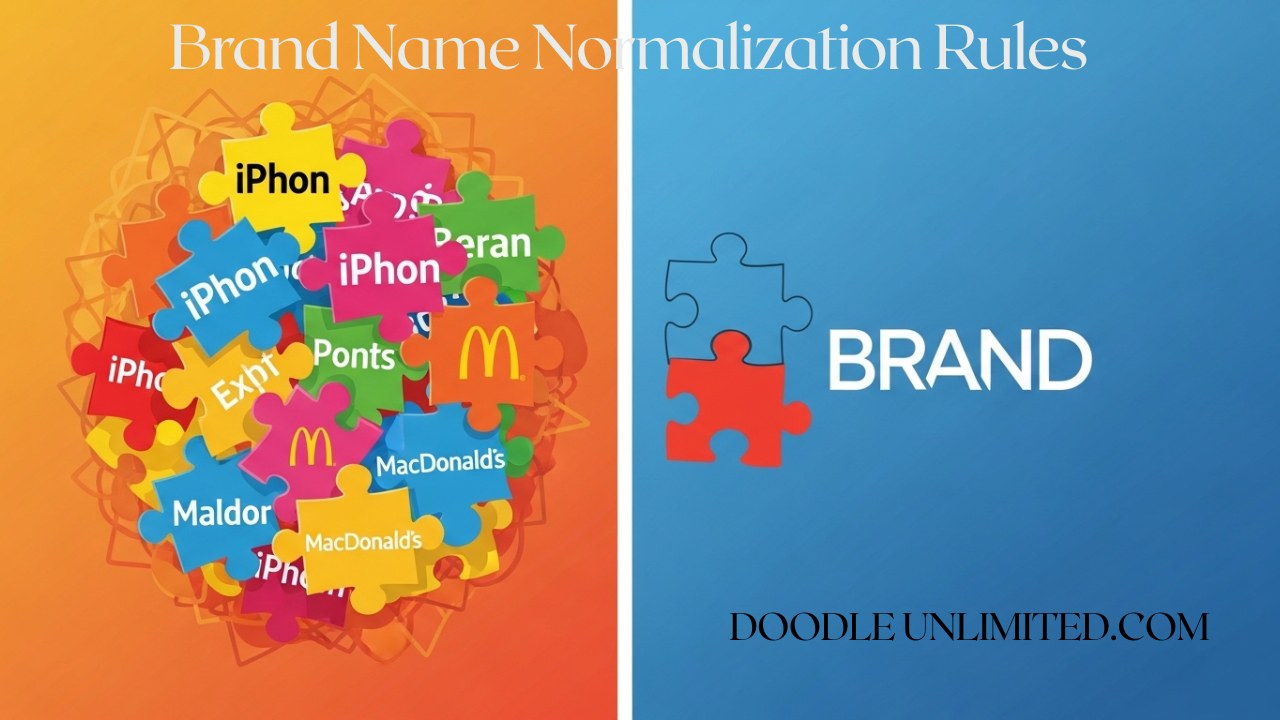
In the fast-paced world of marketing, brand name normalization is a crucial yet often overlooked aspect. With countless brands vying for attention, consistency in naming can significantly impact reach and recognition. But what does it mean to normalize a brand name? And why should marketers care? As we dive into the essential rules governing brand name normalization, you’ll discover how this practice not only enhances data quality but also strengthens your overall marketing strategy. Let’s unravel these norms together and empower your brand with clarity and coherence!
Demystifying Brand Name Normalization Rules Every Marketer Should Know
Brand name normalization refers to the process of standardizing brand names across various platforms and databases. This practice helps ensure consistency, making it easier for consumers to recognize and engage with your brand.
Understanding these rules is imperative for marketers aiming to improve their data quality and enhance customer experiences. By adhering to established normalization standards, brands can foster trust, boost discoverability, and ultimately drive more conversions in a competitive marketplace.
Introduction
In today’s competitive marketplace, brand name normalization rules are crucial for marketers. These guidelines help ensure consistency and clarity in how brands are represented across various platforms. With countless variations and spellings, managing brand names effectively can significantly impact customer perception.
Understanding these normalization rules is essential for data integrity and marketing success. It allows businesses to present a unified front, enhances discoverability, and ultimately strengthens brand recognition among consumers. Embracing this process lays the foundation for effective branding strategies.
Understanding Brand Name Normalization
Brand name normalization refers to the process of standardizing brand names across various platforms and databases. This ensures consistency in how a brand is represented, making it easier for consumers to recognize and engage with it.
By applying specific rules, marketers can manage variations in spelling, abbreviations, or even different languages. With effective normalization strategies, businesses enhance their visibility and create a unified identity that resonates with target audiences everywhere.
The Role of Normalization in Data Quality
Normalization plays a crucial role in enhancing data quality by standardizing brand names across various platforms. When brands present consistent information, it minimizes confusion and improves customer trust.
Moreover, normalization helps eliminate duplicates and inconsistencies within datasets. This streamlining process ensures that marketers have accurate insights for decision-making, ultimately leading to better strategies and more effective campaigns. Quality data enables brands to connect with their audience authentically and meaningfully, amplifying engagement rates significantly.
Why Brand Name Normalization is Essential
Brand name normalization is essential for maintaining consistency across all marketing channels. When brands present uniform names, it enhances recognition and fosters trust among consumers. This clarity helps customers identify products quickly, reducing confusion.
Moreover, effective brand name normalization plays a crucial role in data management. It ensures accurate reporting and analytics by minimizing discrepancies in naming conventions. As brands grow or expand into new markets, consistent naming becomes vital for effective communication and overall brand strategy alignment.
Common Challenges Faced in Brand Name Normalization
Brand name normalization presents several challenges that marketers must navigate. Variations in spelling, abbreviations, and regional differences can create confusion. For instance, a single brand may appear in multiple formats across different platforms.
Additionally, inconsistent data sources pose significant hurdles. Merging databases with unique naming conventions leads to duplicates and inaccuracies. This fragmentation complicates the process of creating a unified brand identity that resonates with customers. Addressing these issues is vital for effective marketing strategies and ensuring reliable brand recognition.
Manual vs Automated Normalization Approaches
Manual normalization involves human oversight in standardizing brand names. Marketers carefully review and adjust entries, ensuring each name meets specific criteria. This process can be time-consuming but allows for nuanced understanding of context and market trends.
On the other hand, automated normalization leverages software tools to streamline the process. These algorithms quickly analyze large datasets, applying predefined rules consistently. While efficiency is a major benefit, it may lack the personal touch that manual methods provide, potentially overlooking unique branding elements.
Building and Maintaining Effective Normalization Rules
Creating effective normalization rules requires a clear understanding of your brand landscape. Begin by defining key attributes, such as name variations and common misspellings. Collaborate with teams to gather insights on how customers perceive your brand.
Regular updates are crucial to keep these rules relevant. Monitor changes in market trends and consumer behavior. Encourage feedback from stakeholders who interact with the data daily. This continuous loop ensures that your normalization rules evolve alongside your brand’s identity and needs.
Impact on Search and Discoverability
Brand name normalization plays a crucial role in enhancing search engine visibility. When brands maintain consistent naming conventions, they ensure that potential customers can easily find them online. This consistency helps improve organic rankings and fosters trust among users.
Search algorithms favor normalized brand names because they reduce ambiguity. A clear and recognizable brand identity increases discoverability across various platforms. Better normalization practices lead to improved user experience as consumers effortlessly navigate through their choices.
Brand Name Normalization and Data Governance
Brand name normalization plays a critical role in data governance. It ensures that brand names are consistent across various platforms and databases. This consistency not only enhances data accuracy but also improves compliance with legal standards.
Effective data governance relies on established normalization rules to maintain order within vast datasets. By adopting these guidelines, organizations can foster trust in their branding efforts, facilitating better decision-making and strategic initiatives based on reliable information.
Measuring Success in Normalization Efforts
Measuring success in brand name normalization involves tracking specific metrics. Start with data accuracy rates, assessing how many entries conform to established rules. You’ll also want to monitor changes in customer engagement and search discoverability.
Another key metric is operational efficiency—evaluate the time your team spends on managing brand names before and after implementing normalization processes. This can highlight improvements or areas that still need attention, ensuring your efforts align with marketing goals while enhancing overall performance.
The Future of Brand Normalization
As the digital landscape evolves, brand name normalization will become increasingly crucial. Advanced technologies like AI and machine learning are poised to streamline these processes, enabling marketers to achieve greater accuracy with less effort.
Additionally, as consumer behavior shifts towards personalization, brands must ensure consistency across platforms. This means adapting normalization rules regularly to reflect changing trends and preferences. Staying ahead of the curve in brand name normalization will be essential for maintaining relevancy and enhancing customer engagement.
Conclusion
Understanding brand name normalization rules is crucial for marketers navigating today’s complex landscape. It enables brands to maintain consistency, enhance data quality, and improve search discoverability.
As the digital realm evolves, so do the strategies for managing brand names. Investing in effective normalization practices will not only streamline operations but also strengthen your overall brand identity in a competitive market. Embracing these principles paves the way for long-term success and growth.
FAQs
Brand name normalization rules can seem confusing. Many marketers wonder what these rules entail and how they apply to their strategies. Understanding the guidelines is crucial for maintaining consistency across various platforms.
Another common question revolves around naming conventions. Marketers often seek clarity on product name normalization and its relationship with database standards like 1NF, 2NF, and 3NF. These concepts are essential in ensuring data integrity while enhancing discoverability in search engines.
What are the normalization rules?
Normalization rules are guidelines that ensure data integrity, consistency, and efficiency. They establish how brand names should be formatted and standardized across various platforms. This is essential for maintaining a unified brand identity.
These rules often include criteria like eliminating duplicates, standardizing spelling variations, and ensuring consistent capitalization. By adhering to these principles, marketers can improve the accuracy of their databases and enhance overall data quality in their campaigns.
What are the guidelines for brand naming?
Choosing the right brand name is crucial for standing out in a crowded market. Start by ensuring it’s easy to pronounce, spell, and remember. A name that resonates with your target audience can foster connection and loyalty.
Consider legal aspects as well. Conduct thorough trademark searches to avoid potential conflicts. Additionally, think about cultural implications; names should not carry negative connotations in different languages or regions. This careful approach helps create a strong foundation for your brand identity.
What are the rules of 1NF, 2NF, and 3NF?
The rules of First Normal Form (1NF) ensure that data is atomic, meaning each entry in a database table must contain indivisible values. This prevents duplicate groups and ensures clarity in organizing information.
Second Normal Form (2NF) builds upon this by addressing partial dependencies. It requires that all non-key attributes are fully functionally dependent on the primary key, eliminating redundancy. Third Normal Form (3NF) takes it further by removing transitive dependencies, ensuring each attribute is only dependent on the primary key itself.
What is product name normalization?
Product name normalization refers to the process of standardizing product names across various platforms and databases. This ensures consistency, making it easier for customers to find what they are looking for. By implementing effective brand name normalization rules, businesses can enhance their data quality and improve user experiences.
It streamlines inventory management and helps maintain accurate records. Product name normalization supports better decision-making within organizations by providing clear insights into performance metrics related to specific products or services. Embracing this practice is crucial in today’s competitive landscape where clarity drives customer satisfaction and loyalty.