
 By Richard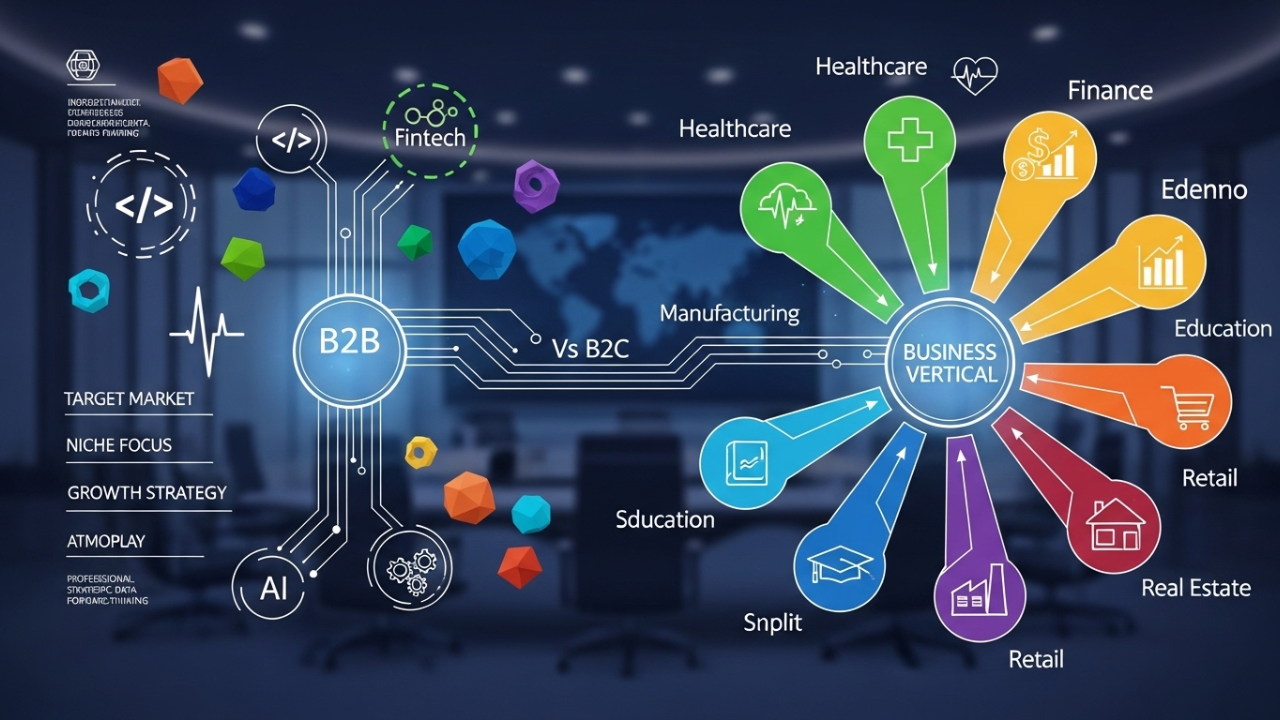
Navigating the world of business can be overwhelming, especially when it comes to understanding how to classify your enterprise. Business vertical classification categories play a crucial role in shaping your strategy and defining your target audience. Whether you’re launching a new startup or looking to refine an existing venture, grasping these categories can give you a competitive edge. From identifying market trends to tailoring marketing strategies, knowing where you fit is essential for sustainable growth. Dive into this comprehensive guide and discover the keys to unlocking success in your business journey!
Understanding Business Vertical Classification Categories: A Comprehensive Guide
Business vertical classification categories help organizations identify their niche within the market. By grouping businesses based on shared characteristics, such as industry type or target audience, companies can tailor strategies that resonate with their specific customer base. This understanding fosters innovation and drives growth, allowing businesses to stand out in a competitive landscape.
How to Choose the Right Business Vertical for Your Startup
Choosing the right business vertical for your startup requires careful analysis. Start by identifying your target audience and their needs. Research market trends and competitors in potential sectors. Consider your team’s strengths and expertise, as well as available resources. Align these factors with long-term goals to find a niche that offers growth opportunities and sustainability.
Business Vertical Classification Categories: A Complete Strategic Framework for Modern Markets
Business vertical classification categories provide a structured approach for understanding modern markets. By organizing industries into distinct segments, businesses can tailor strategies to specific consumer needs. This framework facilitates targeted marketing and enables insights into competitive landscapes, fostering innovation and efficiency in operations across various sectors. Embracing these classifications drives informed decision-making for growth.
Why Business Vertical Classification Matters
Business vertical classification matters because it helps companies identify their niche and target audience effectively. By understanding specific verticals, businesses can tailor their products and marketing strategies to meet unique customer needs. This targeted approach not only enhances competition but also fosters innovation, ultimately driving growth in a crowded marketplace.
Core Business Vertical Classification Categories
Core business vertical classification categories encompass key segments like technology, healthcare, finance, retail, and manufacturing. Each category serves distinct markets with unique needs and challenges. Understanding these classifications helps businesses tailor their strategies effectively, ensuring they meet customer demands while navigating industry-specific regulations and trends that can impact growth and innovation.
Vertical Classification in Digital Strategy
Vertical classification plays a crucial role in digital strategy by enabling businesses to tailor their online presence. Identifying specific verticals helps companies understand target audiences better, allowing for more effective marketing campaigns. This focused approach enhances customer engagement and drives growth, ensuring that the digital initiatives align with industry-specific needs and trends.
B2B Versus B2C Vertical Structures
B2B and B2C vertical structures serve different purposes. 2B focuses on selling products or services to other businesses, emphasizing long-term relationships and bulk transactions. In contrast, B2C targets individual consumers, prioritizing brand loyalty and emotional connections. Understanding these distinctions helps tailor marketing strategies for each audience effectively, enhancing overall business success in their respective markets.
Emerging and Hybrid Business Verticals
Emerging and hybrid business verticals are reshaping traditional markets. These innovative categories blend features from multiple industries, creating unique opportunities. Companies can adapt quickly to changes in consumer preferences, leveraging technology for growth. By embracing these new models, businesses tap into diverse revenue streams and meet evolving demands in today’s dynamic marketplace.
How Businesses Use Vertical Classification for Growth
Businesses leverage vertical classification to identify key market segments and tailor their offerings accordingly. This targeted approach allows for more effective marketing strategies, enhanced customer engagement, and improved resource allocation. By understanding specific industry needs, companies can innovate products or services that resonate with their audience, ultimately driving growth and increasing competitive advantage in the marketplace.
Best Practices for Accurate Vertical Classification
To achieve accurate vertical classification, start by conducting thorough market research. Analyze competitors and identify trends. Engage with industry experts for insights. Use clear criteria to define your categories and ensure consistency across all platforms. Regularly review and update classifications to adapt to market changes, ensuring relevance in a dynamic business landscape.
The Strategic Value of Business Vertical Classification
Business vertical classification enhances strategic decision-making. By accurately categorizing your business, you can identify target markets, streamline operations, and optimize resource allocation. This clarity fosters effective marketing strategies tailored to specific audiences. Understanding verticals enables companies to seize opportunities and mitigate risks, ultimately driving growth in an increasingly competitive landscape.
What are Industry Verticals?
Industry verticals are specialized sectors within the broader economy, focusing on specific products or services. These segments cater to distinct customer needs and market demands. By categorizing businesses this way, companies can tailor their strategies effectively, enhancing relevance in niche markets while streamlining operations for increased efficiency and targeted growth opportunities.
Industry Verticals vs. Industries
Industry verticals are specific segments within broader industries, focusing on niche markets or specialized needs. For example, healthcare is an industry, while telemedicine represents a vertical within it. Understanding this distinction helps businesses tailor strategies and solutions to meet unique demands in their targeted segments, enhancing overall market effectiveness and customer satisfaction.
One Step Deeper: Emerging Spaces
Emerging spaces are redefining traditional business verticals. These innovative sectors often blend technologies and industries, creating unique opportunities for entrepreneurs. Think about fields like AI-driven health tech or sustainable fashion. As consumer needs evolve, staying ahead in these dynamic environments can provide a competitive edge and foster growth that aligns with modern expectations.
Jump to an Industry Vertical
Jumping to an industry vertical means shifting focus or expanding into a new sector. This move can open doors to fresh opportunities and untapped markets. Businesses often leverage their existing capabilities while adapting strategies for the unique challenges of the new vertical. Understanding market dynamics is essential, ensuring a smooth transition and sustainable growth in this new arena.
A Closer Look at Various Industry Verticals
Industry verticals represent specific market segments defined by their unique products and services. Each vertical, from healthcare to technology, has distinct characteristics and trends. Understanding these nuances allows businesses to tailor their strategies effectively. By diving into individual sectors, companies can uncover opportunities and challenges that shape their growth trajectory in a competitive landscape.
Methods for Classifying Industries
Classifying industries involves various methods, including the North American Industry Classification System (NAICS) and Standard Industrial Classification (SIC). These frameworks categorize businesses based on their primary activities. Other approaches include market segmentation and value chain analysis, which help companies identify niches within broader categories. Each method provides unique insights for strategic planning and operational efficiency.
The Top 10 Business Verticals and Their Characteristics
1. Healthcare: Focuses on medical services, biotechnology, and pharmaceuticals.
2. Finance: Encompasses banking, insurance, and investment sectors.
3. Retail: Involves direct selling to consumers through physical or online stores.
4. Technology: Includes software development, hardware production, and IT services.
5. Education: Covers traditional schools to online learning platforms.
6. Real Estate: Pertains to property management and sales.
7. Manufacturing: Engages in producing goods from raw materials.
8. Hospitality: Encompasses hotels, restaurants, and tourism services.
9. Transportation: Involves logistics and freight solutions for moving goods or people.
10. Energy: Focuses on renewable sources like solar or wind as well as fossil fuels.
How to Determine the Right Vertical for Your Business
Identifying the right vertical for your business involves assessing market needs, analyzing competition, and understanding customer behavior. Start by researching industry trends and potential gaps in service or product offerings. Consider your strengths and expertise to align with a vertical that not only excites you but also offers sustainable growth opportunities.
Challenges and Benefits of Industry Segmentation
Industry segmentation helps businesses target specific customer needs, enhancing marketing effectiveness. However, it can lead to oversimplification and missed opportunities in niche markets. Balancing focus with flexibility is essential. Companies may struggle to adapt as trends shift within segments, which can hinder growth if not managed properly. Understanding both sides is critical for success.
Conclusion
Understanding business vertical classification categories is essential for strategic growth and market positioning. By identifying the right vertical, businesses can tailor their offerings to meet specific customer needs. Embracing this framework allows companies to adapt in an ever-changing landscape, driving innovation and competitive advantage across various industries. The future of your business may depend on it.
FAQs
FAQs provide clarity on common questions regarding business vertical classification categories. They address essential topics like the seven verticals of business, the four main categories, and key distinctions between industry sectors. By exploring these inquiries, entrepreneurs can better understand how to navigate their chosen market space effectively.
What are the 7 verticals of business?
The seven verticals of business typically include technology, healthcare, finance, education, retail, manufacturing, and real estate. Each vertical represents a distinct sector with specific market needs and consumer behaviors. Understanding these categories helps businesses tailor their strategies and solutions to better serve target audiences within each industry landscape.
What are the 4 categories of business?
Businesses are typically categorized into four main types: manufacturing, retail, service, and agriculture. Manufacturing involves producing goods; retail focuses on selling products directly to consumers; service businesses provide intangible offerings like consulting or maintenance; and agriculture encompasses farming and food production. Each category plays a vital role in the economy’s fabric.
What are the 4 types of business sectors?
Businesses operate mainly within four sectors: primary, secondary, tertiary, and quaternary. The primary sector focuses on natural resources, like agriculture and mining. The secondary sector involves manufacturing and construction. Tertiary encompasses services such as retail and healthcare. The quaternary sector emphasizes knowledge-based activities like IT consulting and research development. Each plays a vital role in the economy.
What are the 7 types of business models?
When exploring business vertical classification categories, it’s essential to understand various business models. The seven types of business models include:
1. **Subscription Model**: Customers pay a recurring fee for ongoing access.
2. **Freemium Model**: Basic services are free, while advanced features require payment.
3. **Marketplace Model**: Facilitates transactions between buyers and sellers, earning revenue from commissions.
4. **Direct Sales Model**: Products are sold directly to consumers without intermediaries.
5. **Advertising Model**: Revenue comes from advertisers rather than customers using the service or product.
6. **Franchise Model**: A brand allows others to operate under its name in exchange for fees and royalties.
7. **Affiliate Marketing Model**: Businesses earn commissions by promoting other companies’ products.
Understanding these models helps define your place within specific verticals, guiding strategy and growth efforts effectively within modern markets. Embracing the right approach is key to navigating industry complexities successfully.
As you develop your startup or expand an existing venture, keep these classifications in mind as they can significantly influence your strategy and market positioning over time!