
 By Richard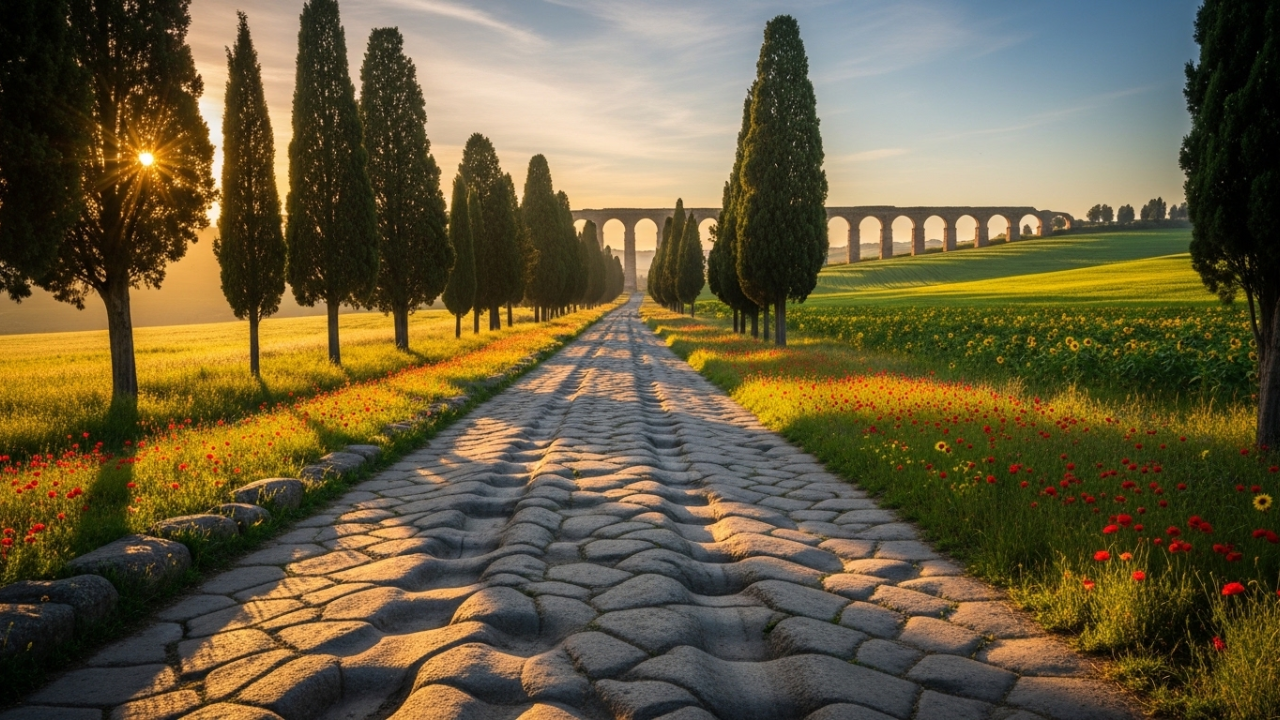
Cesta Roman invites you to embark on a journey through time, where history and tradition converge. This ancient road is more than just a pathway; it’s a testament to the ingenuity of Roman engineering and the rich tapestry of cultures that have traversed its length. As we explore Cesta Roman, you’ll uncover stories woven into every stone, each turn echoing with tales of travelers from centuries past. Join us as we delve into this remarkable landmark, revealing its architectural wonders and cultural significance that continue to resonate today. Get ready for an adventure that spans both time and geography!
Cesta Roman: A Journey Through Time and Tradition
Cesta Roman is more than just a road; it’s a living archive of history, echoing the footsteps of those who traveled it long ago. Each segment reflects the artistry and ambition of Roman civilization, showcasing their mastery in construction and design.
Walking along Cesta Roman feels like stepping back in time. The ancient stones whisper secrets of trade, culture, and community, revealing how this vital route shaped societal interactions across regions. It offers an unparalleled connection to our ancestors’ experiences and enduring legacy.
Exploring the Rich History of Cesta Roman
Cesta Roman stands as a testament to the ingenuity of ancient civilizations. This historic highway is not just a pathway; it’s a narrative woven through time, connecting cultures and communities. Each stone tells tales of travelers who once navigated its course.
Tracing back to the Roman Empire, Cesta Roman facilitated trade, military movements, and cultural exchange. Its construction showcases advanced engineering techniques that were revolutionary for their time. As you walk along this road, you step into history—where every footstep echoes with stories long forgotten.
Unveiling the Architectural Marvels of an Ancient Landmark
The Cesta Roman stands as a testament to the engineering prowess of ancient Rome. Its construction showcases meticulous craftsmanship, blending functionality with grandeur. Intricate stonework and robust arches create a stunning visual experience that continues to captivate visitors today.
Walking along its path, one can appreciate the strategic design elements that supported trade and military movements. Each section tells a story of innovation, reflecting the values and ambitions of an era long past. The architectural marvels invite exploration and admiration from all who encounter them.
Understanding the Meaning of Cesta Roman
Cesta Roman translates to “Roman way” or “Roman road,” reflecting its significance as a vital route in ancient times. These pathways facilitated trade, communication, and military movements across the vast Roman Empire.
The term embodies more than just a physical road; it symbolizes connection and progress. Cesta Roman represents the ingenuity of Roman engineering and their ability to forge links between diverse cultures, paving the way for future civilizations to thrive along these historic highways.
Historical Origins of Cesta Roman
Cesta Roman dates back to the height of the Roman Empire, when infrastructure was crucial for expanding territories. Constructed primarily during the 1st century AD, it served as a vital artery connecting key regions and facilitating trade.
Archaeological findings suggest that this road was meticulously planned and built by skilled engineers using advanced techniques of their time. As Romans spread across Europe, Cesta Roman emerged as both a symbol of power and an essential part of daily life for those living along its route.
Roman Engineering and Infrastructure
Roman engineering was revolutionary, showcasing advanced techniques that still amaze us today. The construction of roads, aqueducts, and bridges demonstrated their practical ingenuity. They prioritized durability and efficiency in design, using materials like concrete that allowed for longevity.
Infrastructure transformed the landscape across Europe. Roads facilitated trade and military movement while aqueducts provided fresh water to urban centers. This interconnectedness not only supported thriving cities but also fostered cultural exchange throughout the Roman Empire’s vast territories.
Cultural Significance of Cesta Roman
Cesta Roman stands as a testament to the cultural exchange that flourished during its time. It served not just as a route for trade and military movement, but also as a channel for ideas and traditions. Travelers along this ancient path shared stories, customs, and languages, enriching the tapestry of local cultures.
The road’s significance extends beyond mere functionality; it represents connections among diverse communities. Festivals, markets, and gatherings often took place near its banks, fostering social ties that helped shape regional identities throughout history.
The Legacy of Cesta Roman
The legacy of Cesta Roman lies in its enduring influence on modern infrastructure. Its design principles have shaped contemporary road construction, reflecting the ingenuity of ancient engineering. This remarkable feat has inspired countless architects and planners.
Beyond physical structures, Cesta Roman signifies a connection to our past. It serves as a reminder of the Romans’ ability to unite diverse cultures through their extensive network of roads. The stories woven into this landmark continue to captivate historians and visitors alike, enriching our understanding of history’s fabric.
Military, Economic, and Social Impact
The military significance of Cesta Roman cannot be understated. These roads facilitated the swift movement of troops, ensuring that Rome could exert its influence across vast territories. This infrastructure allowed for efficient communication and supply lines, crucial during times of conflict.
Economically, Cesta Roman boosted trade and commerce by connecting cities and regions. Merchants traveled these routes with ease, enhancing local economies. Socially, they contributed to cultural exchange as diverse populations interacted along the roads, creating a tapestry of shared traditions and ideas throughout the empire.
Modern Applications and Influence
Cesta Roman continues to inspire modern infrastructure projects. Its design principles are evident in contemporary road systems that prioritize durability and efficiency. Engineers study its methods, applying ancient techniques to solve current challenges in transportation.
Moreover, Cesta Roman influences urban planning today. Cities incorporate elements of this historic route into their layouts, blending tradition with modern needs. This connection fosters a sense of heritage while promoting sustainable development practices that honor the past as they pave the way for the future.
Preservation and Educational Significance
Preserving Cesta Roman is crucial for maintaining our connection to ancient history. Its enduring structure and design offer invaluable insights into Roman engineering, culture, and daily life. Efforts to restore and protect this landmark ensure that future generations can appreciate its significance.
Educational programs centered around Cesta Roman foster a deeper understanding of the past. Scholars, students, and enthusiasts benefit from hands-on experiences that bring history alive. Through guided tours or interactive exhibits, individuals gain a unique perspective on how the Romans shaped infrastructure we still rely on today.
Contemporary Relevance and Adaptability
Cesta Roman continues to inspire modern engineering and urban planning. Its principles of durability and connectivity resonate in today’s infrastructure projects, showcasing how ancient wisdom can inform contemporary design.
Moreover, the road serves as a cultural touchstone for communities. Festivals, events, and educational programs celebrate its history, fostering pride among locals. As cities evolve, Cesta Roman remains a living link to the past while adapting to current needs—a testament to resilience and innovation through the ages.
FAQs
When exploring the rich history of Cesta Roman, many questions arise. Travelers and historians alike are curious about its origins and significance. A popular question is about the best-preserved Roman road, which often leads to discussions on various ancient routes.
Another common inquiry focuses on where Cesta Roman begins and ends. Enthusiasts might also ask about the most famous roads built by the Romans or what term they used for “road.” These questions reflect a deep interest in understanding this remarkable piece of history.
What is the best preserved Roman road?
The best-preserved Roman road is often considered to be the Via Appia Antica, or the Appian Way. This ancient route stretches from Rome to Brindisi and showcases remarkable engineering that has withstood the test of time.
With its cobblestone surface and surrounding landscapes, it offers a glimpse into life during Roman times. As you walk along this historic path, you can almost feel the echoes of soldiers and traders who once traveled these roads centuries ago. It truly captures the essence of Roman ingenuity.
Where does the Roman road start and end?
The Cesta Roman, a remarkable feat of ancient engineering, stretches across Italy and beyond. It famously begins in the vibrant city of Rome, where its historical significance resonates through every stone.
As you follow its path, it winds through picturesque landscapes before reaching its terminus in various regions depending on the route taken. Each endpoint tells tales of trade and military strategy while showcasing the enduring legacy of Roman ingenuity. Travelers today can retrace this journey and connect with history at every turn.
What is the most famous road built by the Romans?
The most famous road built by the Romans is undoubtedly the Appian Way, known as Via Appia. Constructed in 312 BC, it connected Rome to the southern regions of Italy. This remarkable road was a crucial military and trade route, facilitating movement across vast territories.
Travelers can still walk portions of this ancient path today. The Appian Way features well-preserved sections lined with historic landmarks, showcasing Roman engineering prowess and its enduring influence on modern infrastructure. Its legacy continues to inspire awe among history enthusiasts and travelers alike.
What is the Roman word for road?
The Roman word for road is “via.” This term encompasses the extensive network of routes built throughout the Roman Empire. These roads facilitated trade, military movement, and cultural exchange. Each via contributed to the strength and unity of Rome’s vast territories. Today, we recognize their lasting impact on modern infrastructure.
Understanding terms like “via” helps us appreciate how ancient civilizations laid down paths that shaped our world today. The legacy of these roads continues as they influence contemporary travel and urban planning concepts across various nations.