
 By Richard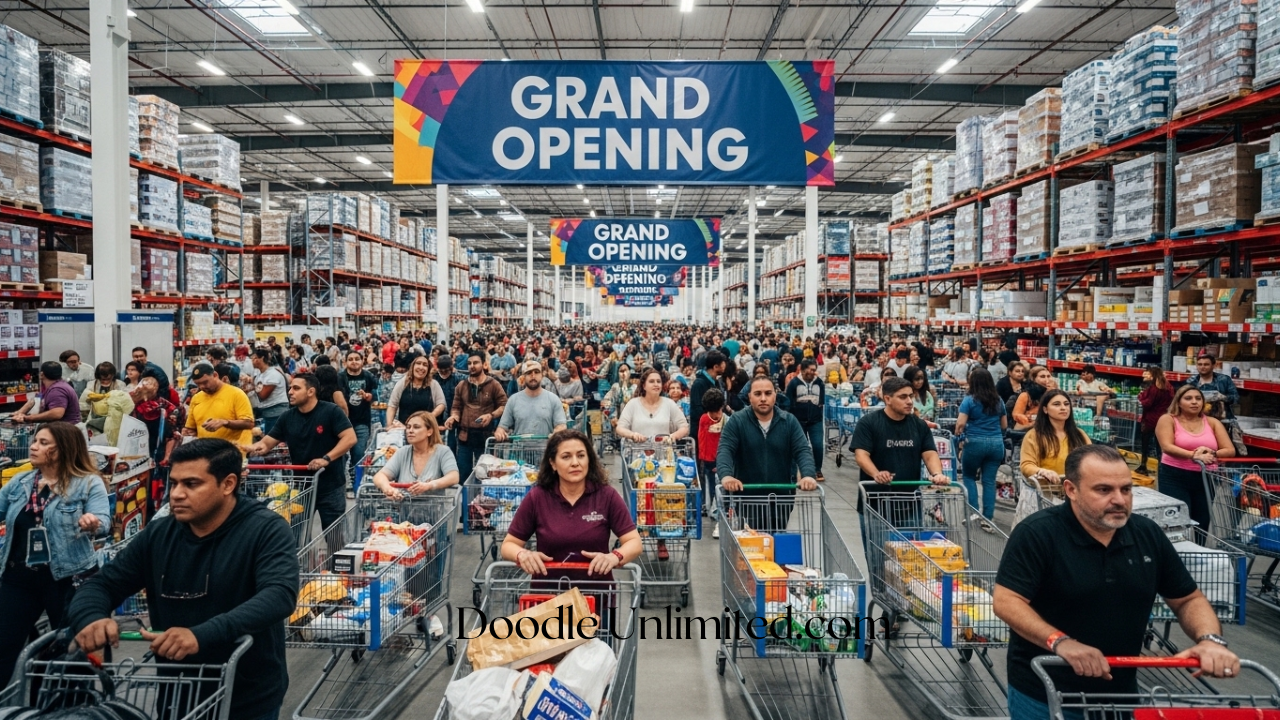
The retail landscape is buzzing with excitement as one of Costco’s major rivals prepares to launch a megastore that promises to shake things up. Shoppers are eager, competitors are watching closely, and the stakes have never been higher. As this new player enters the field, consumers and industry experts alike wonder what it means for their shopping experiences. Will it redefine value? Are we witnessing the dawn of a new era in retail? Join us on an inside look at this grand opening event and discover how it could change everything we know about bulk buying!
Overview of Costco and Its Success
Costco has carved out a significant niche in the retail market since its inception. With a membership-based model, it offers shoppers access to bulk products at unbeatable prices. This approach appeals to families and businesses alike, making Costco a go-to destination for savvy consumers.
The company thrives on its commitment to quality and customer satisfaction. Members enjoy exclusive deals on everything from groceries to electronics, which drives loyalty and repeat visits. Its no-frills warehouse design further simplifies the shopping experience.
Moreover, Costco’s focus on value extends beyond just low prices; it’s about delivering exceptional service too. This combination is what sets it apart and fuels its ongoing success in the competitive retail landscape.
The Rise of Retail Competitors
In recent years, the retail landscape has dramatically shifted. More players are entering the market, eager to capture a piece of the pie. These emerging competitors are challenging traditional giants like Costco, offering unique experiences and product ranges.
These rivals have leveraged technology to enhance shopping convenience. They create seamless online platforms that attract consumers looking for cost-effective options without leaving their homes. Many also focus on sustainability and local sourcing, appealing to a more conscious consumer base.
As competition heats up, companies must innovate continuously. With aggressive pricing strategies and targeted marketing campaigns, they’re reshaping how consumers think about shopping in bulk versus everyday purchases. The stakes have never been higher for established retailers.
Key Differences between Costco and Its Rival
Costco operates on a membership model, requiring shoppers to pay an annual fee. This approach fosters loyalty and creates a sense of exclusivity among its members. In contrast, its rival often adopts a more traditional retail strategy with no membership fees, attracting casual shoppers.
Product selection sets them apart as well. Costco focuses heavily on bulk items and exclusive brands. Its rival may prioritize varied products suitable for smaller households, appealing to different consumer needs.
Pricing strategies also differ significantly. While Costco thrives on low prices achieved through high volume sales, the competitor might rely more on promotions and discounts to draw in customers without the same commitment level needed from buyers.
Impact on Consumers and the Retail Market
The launch of a new megastore by Costco’s rivals is stirring excitement among consumers. With more options available, shoppers can benefit from competitive pricing and diverse products. This expansion means that they can choose where to spend their money based on convenience and value.
Retailers are feeling the pressure to innovate. They will likely enhance their customer service, improve inventory management, and adopt new technologies to attract business. The competition fosters an environment where stores must constantly evolve.
As prices fluctuate, consumers may experience greater savings or improved quality in goods. This shift encourages smarter shopping habits, empowering customers with choices while reshaping the retail landscape significantly.
The Future of the Retail Industry
The future of the retail industry appears dynamic and ever-changing. With technology advancing rapidly, retailers are exploring innovative shopping experiences. From augmented reality to personalized marketing, customers can expect a more tailored approach.
E-commerce continues to grow, putting pressure on brick-and-mortar stores. Retailers will need to adapt by integrating online and offline services seamlessly. This omnichannel strategy is becoming crucial for survival in an increasingly competitive landscape.
Sustainability is also gaining traction among consumers. Brands that prioritize eco-friendly practices may attract loyal shoppers looking for responsible choices. As preferences shift, staying ahead of these trends will be vital for any retailer aiming to thrive in this new era.
FAQs
Who is Costco’s biggest rival? Sam’s Club, owned by Walmart, stands out as a key competitor. It offers similar membership-based shopping experiences and bulk purchasing options that appeal to budget-conscious shoppers.
Costco recently announced it is not merging with any company but remains focused on expanding its stores and enhancing member benefits. This commitment strengthens its position in the retail market against rivals.
Another popular store akin to Costco is BJ’s Wholesale Club. Like Costco, BJ’s provides members with access to discounted bulk items across various categories, making it an attractive choice for consumers seeking value.
Who is Costco’s biggest rival?
Costco’s biggest rival is Sam’s Club, a division of Walmart. This membership-based warehouse club has carved out its own niche in the retail landscape. With over 600 locations across the United States, it offers similar bulk purchasing options.
Another notable competitor is BJ’s Wholesale Club. Founded in Massachusetts, BJ’s focuses on providing members with quality products at competitive prices. They also have a strong presence on the East Coast, making them a formidable player in regions where Costco is not dominant.
Both rivals aim to attract price-conscious shoppers seeking value without sacrificing quality. Each store brings unique offerings that keep consumers coming back for more choices and savings.
Who is Costco merging with?
As of now, Costco has not made any official announcements regarding a merger. The company continues to operate independently while maintaining its strong market presence.
Speculation often arises around potential partnerships or acquisitions within the retail sector. However, Costco’s unique business model and membership structure make it challenging for other companies to find a suitable match.
Costco focuses on maintaining its competitive edge through innovative strategies rather than merging with another retailer. This approach allows them to enhance their offerings while staying true to their core values and customer experience.
What’s the other big store like Costco?
One of the most notable competitors to Costco is Sam’s Club. Operated by Walmart, this warehouse club offers a similar shopping experience with bulk items and membership discounts.
Shoppers can find an array of products from groceries to electronics at competitive prices. Like Costco, Sam’s Club focuses on providing value for families looking to save while stocking up.
Additionally, both stores feature exclusive brands that appeal to their loyal customer base. With unique offerings and promotional events, they continue attracting shoppers who seek quality without breaking the bank.
Who is Costco owned by?
Costco is owned by Costco Wholesale Corporation, a publicly traded company. Founded in 1983, it has grown into one of the largest retailers in the world. The company’s stock is available on the NASDAQ under the ticker symbol “COST.” With millions of members and numerous locations worldwide, Costco continues to thrive as a leader in bulk retailing. Its unique membership model allows customers access to exceptional savings on groceries, electronics, and more.
As competition heats up with new entrants like its rival’s megastore launch, it’s clear that consumers will benefit from this dynamic market landscape. Shoppers can look forward to better deals and improved services as these giants vie for their loyalty.