
 By Richard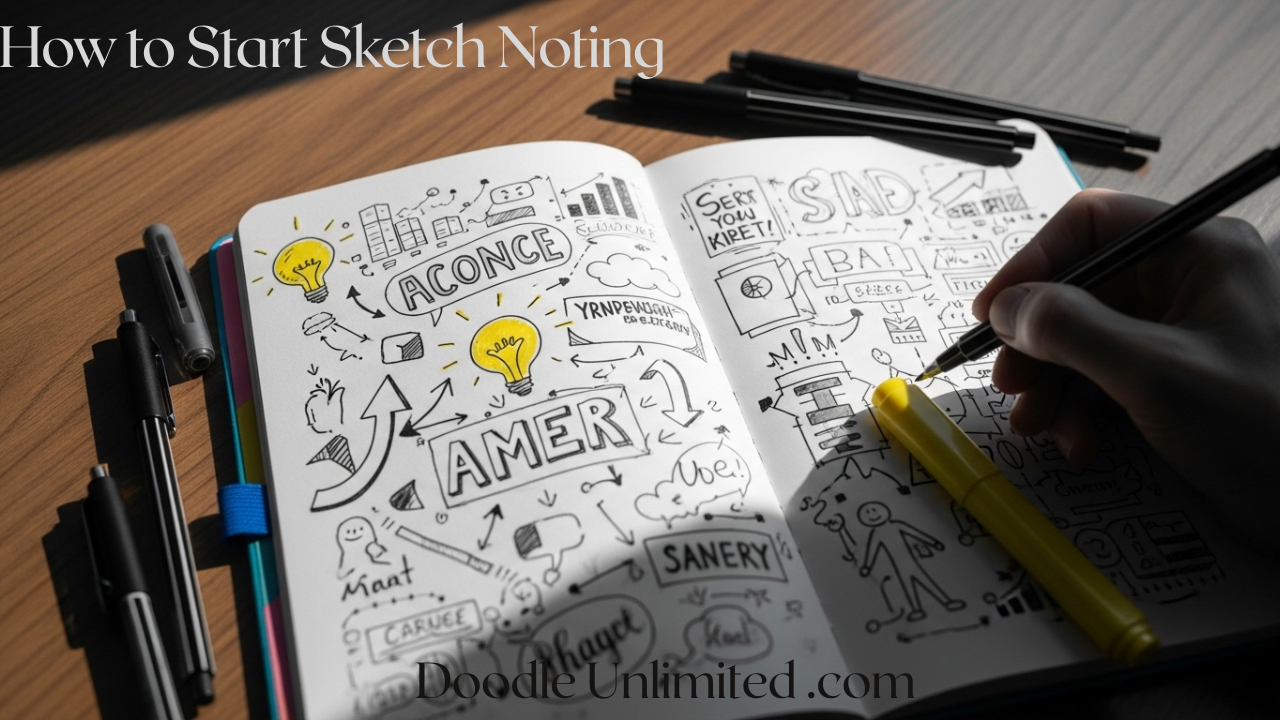
Are you ready to unleash your creativity and transform the way you take notes? Sketchnoting is a powerful method that combines visual elements with written words, making learning fun and engaging. Whether you’re in a classroom, at work, or simply trying to capture your thoughts, sketchnotes can help organize ideas in an exciting way. With just a few doodles and some basic techniques, you’ll be able to turn mundane notes into vibrant works of art. Let’s dive into how to start sketchnoting and elevate your note-taking game!
Doodle Your Thoughts: A Step-by-Step Guide to Start Sketchnoting
Sketchnoting is a creative way to capture ideas visually, blending doodles with text. It’s not just for artists; anyone can do it! This method enhances understanding and retention by engaging both sides of your brain.
To get started, all you need is some paper and pens. Don’t stress about perfection—focus on expressing your thoughts freely. With practice, you’ll develop your unique style while making note-taking an enjoyable experience.
What are Sketchnotes?
Sketchnotes are a visual form of note-taking that combines words, images, and symbols to capture ideas. This innovative approach helps you engage more actively with the material while encouraging creativity.
By blending written content with drawings, sketchnotes allow for better retention and understanding. They transform boring notes into vibrant illustrations of thoughts, making learning both fun and effective. Whether in lectures or meetings, sketchnotes can revolutionize how you absorb information.
Why Start Sketchnoting?
Sketchnoting transforms the way you capture information. It combines visuals with text, making it easier to remember and understand complex ideas. This method engages your mind creatively, enhancing retention and comprehension.
Whether in meetings, lectures, or brainstorming sessions, sketchnotes can help organize thoughts visually. They allow for personal expression while maintaining focus on key points. Embracing this technique can lead to a more engaging and rewarding note-taking experience.
Getting Ready to Sketchnote
Getting ready to sketchnote is an exciting step in your creative journey. Start by gathering simple tools like a sketchbook and pens or markers. It doesn’t have to be fancy; just something that feels comfortable for you.
Find a quiet space where you can focus without distractions. You might want to listen to ambient music or podcasts while you work. The right environment can spark your creativity and help ideas flow more freely as you begin this artistic adventure.
What Do I Need to Get Started?
To start sketchnoting, you don’t need much. A simple notebook and some pens or pencils will do the trick. Choose tools that feel comfortable in your hands. Experiment with different colors to make your notes pop.
If you want to go further, consider digital options like a tablet and stylus. These can offer more flexibility in editing and sharing your work. The key is finding what works best for you as you begin this creative journey.
What Can We Sketchnote?
Sketchnotes can capture a wide range of topics. You might start with lectures, meetings, or workshops, where visual notes enhance understanding and retention. Even brainstorming sessions benefit from this engaging method.
Beyond formal settings, think about everyday moments too. Doodle your thoughts during podcasts, books, or even casual conversations. Anything that sparks inspiration is fair game for sketchnoting! Let your imagination guide you as you transform ideas into vibrant visuals.
Starting Your Sketchnoting Journey
Starting your sketchnoting journey is all about exploration. Grab a sketchbook and let your creativity flow. Don’t worry about perfection; it’s the process that counts.
Begin with simple shapes and doodles to capture ideas visually. Experiment with colors, icons, and text styles as you find what resonates with you. Embrace the learning curve—each page is an opportunity to express yourself uniquely, making this journey both rewarding and enjoyable.
The Basics for Beginners
Start with simple shapes and lines. Circles, squares, and arrows can convey a lot of information. Focus on key concepts rather than detailed drawings. Use keywords to capture the essence of what you’re learning.
Practice organizing your sketchnotes visually. Try different layouts—boxes for ideas, icons for themes. Experimenting helps develop your personal style while keeping things clear and engaging. Remember, it’s about expression, not perfection!
Moving to the Next Level
Once you’ve mastered the basics of sketchnoting, it’s time to elevate your skills. Experiment with different styles and techniques, such as incorporating colors or varying line weights. This will add depth and interest to your notes.
Consider thematic elements that resonate with you personally. Using symbols and illustrations can convey meaning more effectively than words alone. Don’t shy away from trying new approaches; evolution is key in developing a unique sketchnoting style.
Overcoming Common Challenges
Starting sketchnoting can feel daunting. Many beginners struggle with self-doubt, worrying their drawings won’t be good enough. Remember, the goal is to capture your thoughts visually, not create a masterpiece.
Time management is another common hurdle. It’s easy to overthink or spend too long on details. Set a timer for each section of your notes to keep yourself focused and efficient while still allowing room for creativity.
Answering Beginner Questions
Many beginners wonder if they need to be artists to sketchnote effectively. The answer is no! Sketchnoting is about capturing ideas visually, not creating masterpieces. Focus on shapes, symbols, and simple drawings that resonate with you.
Another common question revolves around what tools are necessary. You can start with just paper and a pen or pencil. As you grow more comfortable, explore different mediums like digital apps or colored markers to enhance your experience.
Making Sketchnoting Easier
Sketchnoting can feel overwhelming at first, but simplifying your approach makes it easier. Focus on using basic shapes and symbols to represent ideas. This reduces pressure and helps you capture thoughts quickly.
Practice consistency in style for clarity. Develop a few go-to icons that resonate with you, making it easier to visualize concepts without starting from scratch each time. Remember, the goal is not perfection; it’s about expressing thoughts creatively and effectively.
Stepping Into the Sketchnoting Process
Stepping into the sketchnoting process is about embracing your creativity. Start with a simple subject, like an interesting podcast or a meeting discussion. Let your mind wander as you draw connections and ideas.
Don’t stress over perfection; focus on capturing thoughts visually. Use shapes, arrows, and doodles to represent concepts. This is not just note-taking—it’s transforming information into something personal and memorable. Enjoy the freedom to express yourself through images and words!
Setting Your Goal
Before you start sketchnoting, it’s essential to set clear goals. Think about what you want to achieve with your sketches. Are you looking to enhance memory retention or simply express creativity?
Defining your purpose can guide your approach and help focus your efforts. Whether it’s for school, work meetings, or personal projects, having a specific goal in mind makes the process more engaging and meaningful.
Practicing Techniques
Start by practicing simple shapes and icons. Draw circles, squares, and arrows repeatedly until they feel comfortable. These basic elements form the foundation of your sketchnotes.
Next, experiment with different lettering styles. Try block letters, cursive, or doodled fonts to see what resonates with you. The more you practice these techniques, the more fluid your sketchnoting will become during lectures or brainstorming sessions. Embrace each stroke as a step toward mastery!
Adding Personality to Your Sketchnotes
Adding personality to your sketchnotes transforms them from simple visuals into unique expressions of your thoughts. Experiment with different styles, colors, and fonts that reflect your mood or the theme you’re capturing.
Incorporate playful doodles, emojis, or personal symbols that resonate with you. This not only makes the notes more engaging but also helps in retaining information better. Let your creativity shine through; after all, sketchnoting is as much about self-expression as it is about note-taking!
Going Further with Sketchnoting
As you become more comfortable with sketchnoting, consider enhancing your skills through workshops or online courses. Experimenting with different styles will push your creativity and help develop a unique voice.
Sharing your work on social media can also inspire others and provide valuable feedback. Join communities focused on sketchnoting to connect with like-minded individuals who can motivate you to explore new techniques and ideas in this expressive art form.
Enhancing Your Skills
As you become more comfortable with sketchnoting, it’s time to enhance your skills. Explore different styles and techniques, like varying line thickness or experimenting with color. These elements can add depth and intrigue to your notes.
Consider attending workshops or joining online communities focused on sketchnoting. Engaging with others will inspire new ideas and provide valuable feedback. Continued practice is key, so keep pushing your creative boundaries while having fun in the process!
Sharing Your Work
Sharing your sketchnotes can be an empowering experience. It allows you to connect with others who appreciate visual communication and creativity. Platforms like Instagram, Pinterest, or dedicated sketchnoting communities are great places to showcase your work.
Consider creating a personal blog or joining online forums where you can receive feedback and engage with fellow sketchers. Sharing not only inspires others but also helps you grow as an artist by learning from the community’s insights and techniques.
Closing Comments
Sketchnoting opens up a world of creativity and expression. It’s not just about drawing; it’s about capturing ideas visually. As you embark on your sketchnoting journey, remember that practice is key. Embrace the process, let your personality shine through, and don’t hesitate to share your creations with others. Every sketch tells a story, so keep doodling and let your thoughts flow freely! Happy sketchnoting!