
 By Richard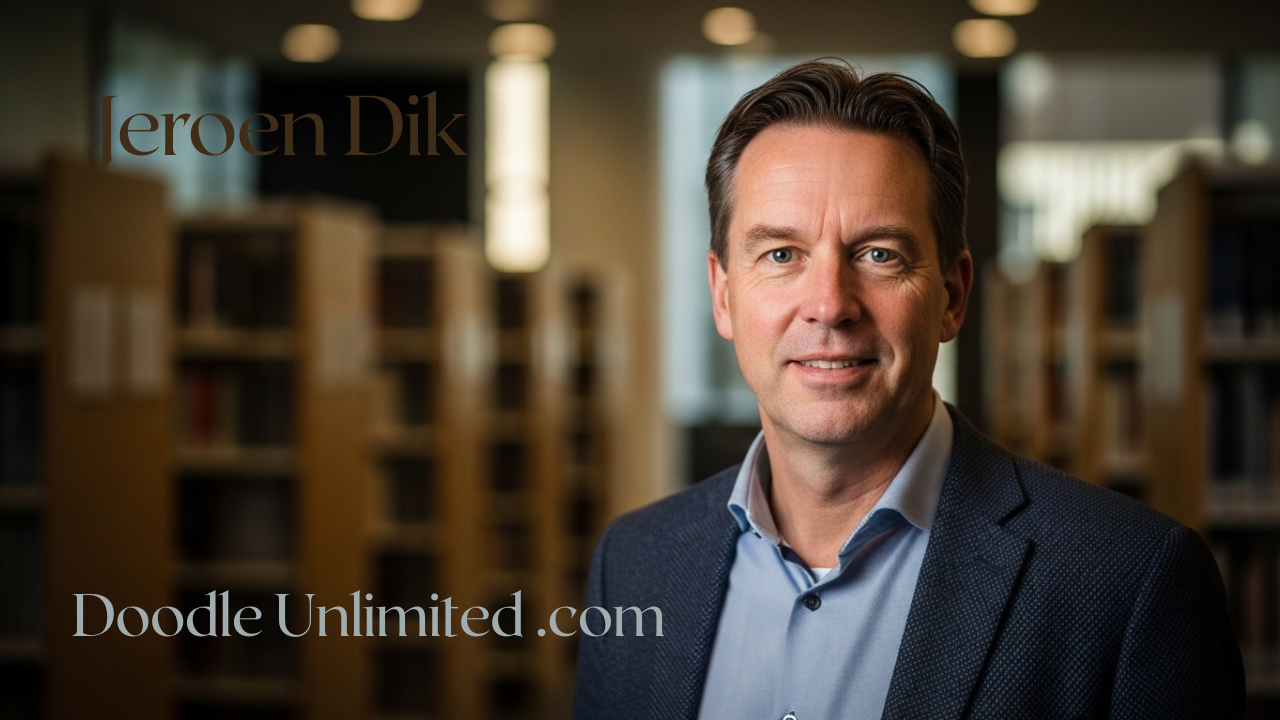
Dr. Jeroen Dik is a prominent associate professor affiliated with The Hague University of Applied Sciences in the Netherlands. His work sits at the crucial intersection of healthcare, social work, and urban planning. He is a dedicated researcher and educator whose primary mission is to improve the quality of life for senior citizens.
Educationally, Dr. Dik boasts an impressive and multidisciplinary background. He furthered his studies to become a Health Scientist (MSc) and a Gerontologist (MSc) . This unique combination of qualifications allows him to approach the challenges of an ageing population not just from a medical standpoint, but also from a societal and environmental perspective. He serves as a board member of the Dutch Association of Nurses at the department of Geriatrics and Gerontology (V&VN G&G), further solidifying his commitment to the field .
The Core of His Work: Gerontology and Age-Friendly Cities
However, his focus extends beyond the individual to the environment they live in. His work is closely aligned with the World Health Organization’s (WHO) framework for age-friendly environments. The core question driving his research is: How can we design our cities and communities to be more inclusive and supportive of their older residents?
Measuring Age-Friendliness
One of Dr. Dik’s key areas of expertise lies in clinimetrics, the science of measuring clinical and health-related phenomena.This involves creating tools and indicators to assess everything from outdoor spaces and public buildings to housing, social participation, and community support. By quantifying these aspects, his research provides concrete data that policymakers and urban planners can use to make evidence-based decisions.
Commitment to Global Goals
The relevance of Jeroen Dik’s work extends to the international stage, as it directly supports the United Nations Sustainable Development Goals (SDGs). His efforts to promote inclusive and sustainable care settings contribute to global priorities such as good health and well-being (SDG 3), reduced inequalities (SDG 10), and building sustainable cities and communities (SDG 11) . By fostering the wellbeing and resilience of senior populations, his research helps build a foundation for a more equitable and sustainable future for all generations.
Jeroen Dik’s Scholarly Impact
Dr. Dik is not only a dedicated teacher but also a prolific researcher. According to scholarly profiles, Jeroen Dik has authored an extensive body of work, with 38 papers that have been cited over 335 times . His research spans several key areas, including:
-
Health disparities and outcomes
-
Aging and Gerontology Research
-
Migration, Aging, and Tourism Studies
His collaborative network is international, working with scholars in the Netherlands, Poland, and the United States. He has published his findings in high-impact journals such as Renewable and Sustainable Energy Reviews, Journal of Cleaner Production, and Social Science & Medicine, demonstrating the interdisciplinary nature and broad relevance of his work .
Addressing Personal Queries: Jeroen Dik’s Age and Family
When researching a public figure, it’s natural for readers to be curious about their personal life. Two common questions that arise are regarding Jeroen Dik’s age and whether he has a son.
Based on the publicly available information from his academic profile, conference bios, and research citations, specific details about Jeroen Dik’s birth date or his family members are not readily disclosed. Professionals in academia often keep their personal lives private, focusing public discourse on their research and professional contributions. Therefore, while we can detail his extensive career and the impact of his work, information such as his exact age or if he has a Jeroen Dik son is not part of the public record.
It is important to distinguish him from other public figures with similar names, such as Jeroen van Dijk (the Dutch badminton player and coach, born 1971) or Jeroen Dik (an art conservator or racing professional) , as searches for personal details might accidentally pull information on these individuals.
The Importance of Dik’s Research in a Globalized World
As the global population ages, the work of researchers like Jeroen Dik becomes increasingly vital. His focus on “Urban Ageing” acknowledges that the majority of people live in cities, and these urban environments must adapt to their changing demographics. His presentation at major events like the 23rd IAGG World Congress of Gerontology and Geriatrics under the theme “Ageing Well in a Globalized World” highlights his role in leading these critical international conversations .
By developing tools to measure age-friendliness, he empowers communities to identify their strengths and weaknesses.
Conclusion: A Visionary for Inclusive Communities
Jeroen Dik stands out as a dedicated and influential voice in the fields of gerontology and urban planning. His work is not just about studying ageing but about actively shaping a world where age is not a barrier to full participation in community life. Through his rigorous research, international collaboration, and commitment to teaching, he is helping to build the foundation for societies that respect and support their senior members.
We encourage our readers to learn more about the principles of age-friendly cities and consider how their own communities can become more inclusive. Share this article with someone interested in urban development or gerontology, and let’s continue the conversation on how to build a better world for people of all ages.