
 By Richard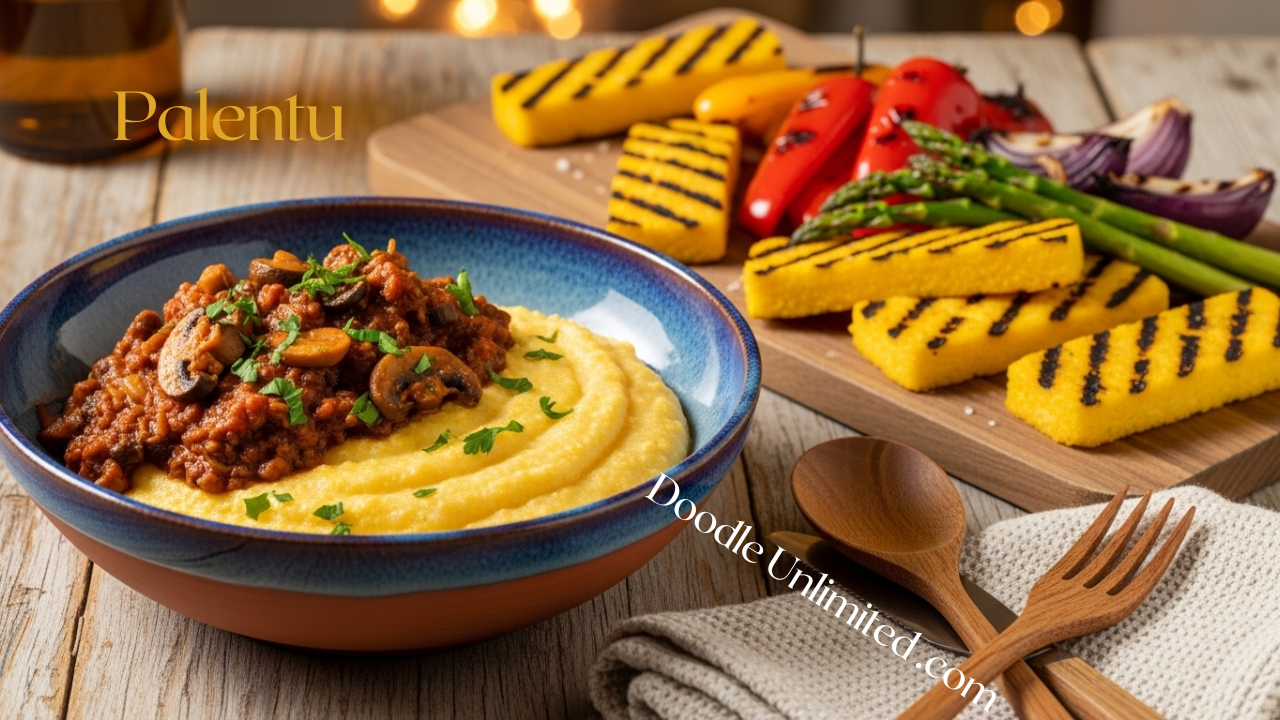
If you’re on the hunt for a dish that’s both comforting and versatile, look no further than palentu. This delightful meal has been capturing the hearts—and taste buds—of food lovers everywhere. Whether you’re seeking a hearty side or a base for your favorite toppings, palentu offers endless possibilities. It’s time to explore this culinary gem and discover why it should be on your plate today!
Palentu: The Versatile Dish You Need to Try Today
Palentu is a delightful dish that brings comfort and creativity to your dining table. With its smooth, creamy texture, it can be enjoyed in countless ways—whether you prefer it savory or sweet. This adaptability makes palentu an excellent choice for any meal.
From breakfast bowls topped with fruits to dinner plates smothered in rich sauces, the options are limitless. You can experiment with various herbs and spices to create a flavor profile that suits your palate perfectly. It’s not just food; it’s an experience waiting to unfold!
Introduction to Palentu
Palentu is a delightful dish that has captured the hearts of food lovers around the world. Originating from traditional recipes, it brings a unique twist to comfort food. Its versatility makes it a fantastic option for any meal, whether you’re cooking for family or hosting friends.
This creamy delight can be enjoyed in various ways—from savory to sweet preparations. As you explore palentu, you’ll discover endless possibilities that suit your taste and dietary needs. Get ready to elevate your dining experience with this culinary gem!
What is Palentu?
Palentu is a delightful dish made from ground cornmeal, similar to polenta but with its own unique twist. It originates from various cultures, often enjoyed in different forms across Italy and beyond. The texture can range from creamy to firm depending on how it’s prepared.
This versatile staple can be served as a side dish, main course, or even dessert. Chefs love experimenting with flavors by adding herbs, cheeses, and spices that elevate palentu into something extraordinary. Whether baked, grilled, or fried, this dish is sure to impress your palate.
Why People Love Palentu
People adore palentu for its incredible versatility. It effortlessly adapts to various flavors and cuisines, making it the perfect base for countless dishes. From savory toppings like mushrooms and cheese to sweet variations with fruits and honey, palentu can cater to any palate.
The texture is another reason why this dish wins hearts. Creamy when freshly made, yet firm enough to be sliced or grilled later, it offers a delightful contrast in every bite. This unique quality invites creativity in the kitchen while satisfying diverse cravings.
How to Prepare Palentu: Step-by-Step
To prepare palentu, start by gathering your ingredients: cornmeal, water, and salt. Begin by boiling four cups of water in a pot. Once it’s bubbling, slowly whisk in one cup of cornmeal to avoid lumps. Lower the heat and stir continuously for about 10 minutes until it thickens.
Next, add salt to taste and more water if needed for desired consistency. Pour the mixture into a greased dish or mold. Let it cool slightly before slicing or serving warm with toppings like cheese or vegetables to enhance its flavor profile. Enjoy experimenting!
Palentu vs. Traditional Polenta: What’s the Difference
Palentu and traditional polenta share a common base: cornmeal. However, palentu often uses a blend of different grains or ingredients that add unique flavors and textures. This versatility allows for creative variations that can cater to various dietary preferences.
While traditional polenta is typically cooked in water or broth, palentu may incorporate herbs, spices, or even cheese during preparation. This results in a richer taste profile. The result is not just a dish but an experience that elevates your meals beyond the familiar comfort of classic polenta.
Nutritional Benefits & Health Aspects of Palentu
Palentu is packed with essential nutrients, making it a great addition to any diet. It’s primarily made from cornmeal, which is rich in carbohydrates that provide energy. Additionally, palentu contains fiber that aids digestion and promotes gut health.
This dish also offers various vitamins and minerals, such as vitamin B6 and magnesium. These elements support metabolism and muscle function. For those looking for gluten-free options or plant-based dishes, palentu fits the bill perfectly, catering to diverse dietary needs while delivering taste without compromise.
The Science Behind Palentu
Palentu is made from cornmeal, similar to traditional polenta. The magic happens when you combine it with water and heat. The starches in the cornmeal gelatinize, creating that smooth texture we all love. This transformation is what makes palentu creamy and adaptable for various dishes.
Moreover, palentu’s versatility extends beyond flavor; it can also be enriched with nutrients. By incorporating different liquids or seasonings during preparation, you boost its nutritional profile significantly. Understanding these elements helps chefs innovate while keeping the essence of this beloved dish alive in modern kitchens.
Common Mistakes When Cooking Palentu
One common mistake when cooking palentu is not properly measuring the liquid. The right ratio of water or broth to cornmeal ensures a creamy texture. Too little liquid can lead to clumps, while too much results in a soupy mess.
Another frequent error is neglecting to stir consistently during the cooking process. Stirring helps prevent lumps and promotes even cooking. If you let it sit unattended, you risk burning or hardening on the bottom. Pay attention, and your palentu will be smooth and delicious every time!
Why Palentu Remains Relevant Today
Palentu remains a beloved dish due to its incredible versatility. Today, food enthusiasts experiment with flavors and textures, adapting it for various cuisines. Its ability to blend seamlessly into both savory and sweet dishes keeps it fresh on modern menus.
Additionally, the rise of plant-based diets has propelled Palentu’s popularity. Made primarily from cornmeal, it’s naturally gluten-free and packed with nutrients. As people seek comfort food that aligns with health-conscious choices, Palentu fits perfectly into this trend, proving that tradition can meet contemporary culinary desires.
Conclusion
Palentu is more than just a dish; it’s an experience waiting to be explored. Whether you enjoy it creamy or crispy, this versatile creation can fit seamlessly into any meal. Its adaptability means that there’s always a new way to savor its unique flavor.
As culinary trends evolve, palentu stands the test of time, inviting both old and new generations to partake in its deliciousness. With endless possibilities for pairing and preparation, it’s no surprise that palentu is becoming a favorite on tables around the world.
FAQs
Curious about palentu? You’re not alone. Many wonder what exactly polenta is made of. Typically, it’s crafted from ground cornmeal, cooked into a creamy or solid form depending on preference. It’s versatile and can be served in various dishes.
Another common question revolves around its health aspects. Is polenta healthy or unhealthy? Generally, it’s considered a nutritious option when prepared properly. It offers fiber and essential nutrients but should be enjoyed in moderation like any carbohydrate-rich food. Understanding these factors makes enjoying palentu even more delightful!
What is polenta made out of?
Polenta is made from ground cornmeal, typically derived from yellow or white corn. This versatile ingredient has been a staple in various cuisines for centuries. The texture can range from coarse to fine, depending on the grind used.
To prepare polenta, you cook it by boiling water and whisking in the cornmeal until it thickens into a creamy consistency. You can serve it soft or let it cool and slice it into shapes for grilling or frying. Its adaptability makes polenta an exciting canvas for flavors and toppings.
Is polenta healthy or unhealthy?
Polenta can be a healthy addition to your diet when prepared mindfully. Made primarily from cornmeal, it’s gluten-free and rich in carbohydrates, providing a good energy source. It also contains essential nutrients like fiber, vitamins, and minerals.
However, its health benefits depend on how you serve it. Adding excessive butter or cheese can turn this dish into a calorie-dense option. Opting for healthier toppings like vegetables or lean proteins can help maintain its nutritious profile while keeping the flavor intact.
What is polenta called in English?
Polenta is a traditional Italian dish made from coarsely ground cornmeal. In English, it retains the same name—polenta. This grain-based food has gained popularity beyond Italy and is enjoyed in various cuisines worldwide.
While polenta may not have a direct English equivalent, its versatility allows for numerous interpretations. It can be served creamy or allowed to set and sliced into cakes. Whether you call it polenta or simply refer to it as cornmeal mush, this dish remains a favorite among many, celebrated for its rich texture and adaptability in flavor profiles.
What does palenta mean?
Palentu, often confused with polenta, carries its own unique flair. The term “palentu” refers to a specific preparation of cornmeal that is creamy and versatile. It’s not just another dish; it’s an experience that brings warmth and comfort to your meal. Whether you enjoy it savory or sweet, this delightful dish has something special for everyone.
As you explore the culinary possibilities of palentu, remember that its name embodies more than just food. It’s about tradition, creativity, and connection—elements that make every bite worth savoring. So why wait? Dive into the world of palentu today!