
 By Richard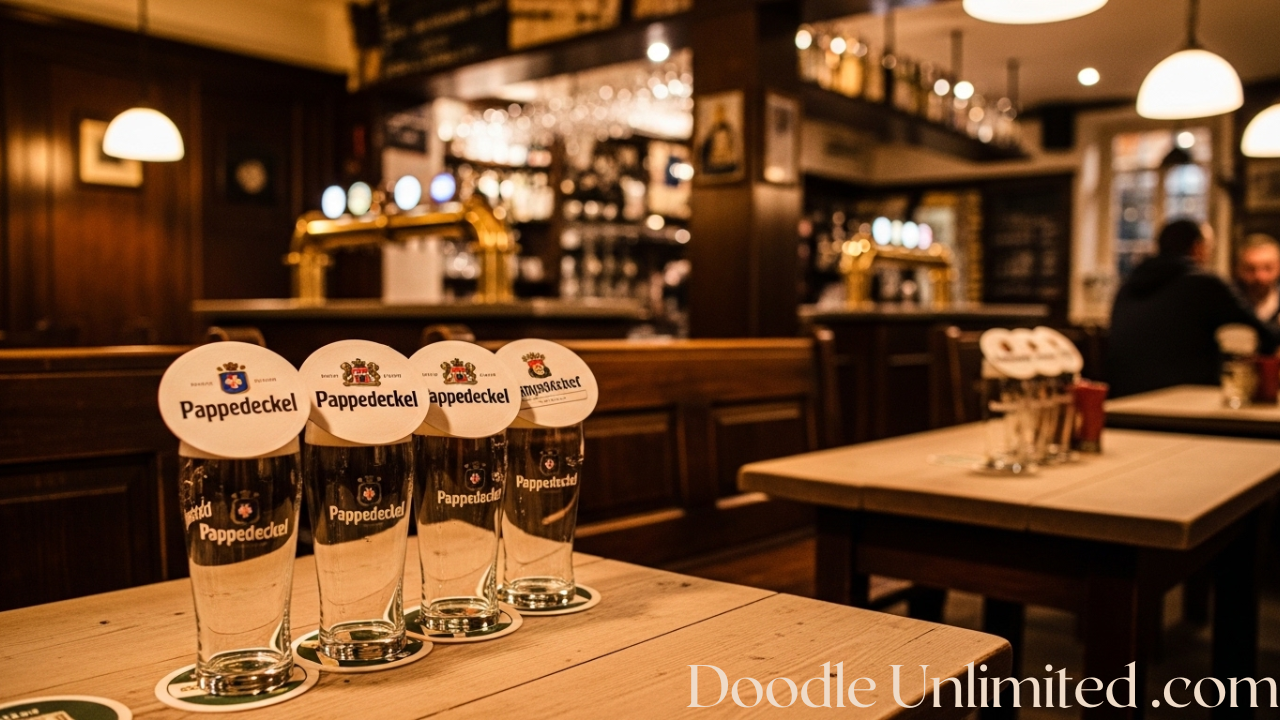
In an age of complex technology and disposable commodities, it is often the simplest objects that hold the most surprising stories. One such object is the pappedeckel. At first glance, it might seem like just another piece of cardboard, but this German term opens a window into linguistics, cultural traditions, environmental science, and even folk art.
Whether you are a language learner, a sustainability enthusiast, a beer culture aficionado, or a DIY crafter, understanding the world of the pappedeckel offers a fascinating glimpse into how a functional item can transcend its humble origins to become a cultural icon. This comprehensive guide explores the meaning, history, modern uses, and future of the versatile pappedeckel.
1. What Does “Pappedeckel” Really Mean?
To understand the object, we must first understand the word. Pappedeckel is a classic example of the German language’s love for compound nouns. It is formed by combining two distinct words :
-
Pappe: This translates to “cardboard,” “paperboard,” or “pasteboard.”
-
Deckel: This translates to “lid,” “cover,” or “top.”
Therefore, the most literal translation of pappedeckel is a “cardboard lid” or a “cardboard cover.” However, like many words, its meaning in everyday conversation is broader and more nuanced.
A Word with Many Spellings
One of the first things you notice when researching this term is its variable spelling. Because it is often used in spoken, informal language, it appears in several forms :
-
Pappdeckel: Considered the most common spelling in standard German.
-
Pappendeckel: An older, more formal variant often found in dictionaries and classic literature .
-
Pappedeckel: A common phonetic spelling used in informal, spoken language .
-
Babbedeckel: A regional or dialect form, particularly in the Rhineland area of Germany .
All these spellings refer to the same core concept: a flat piece of cardboard used as a protective or covering element.
2. The Historical Journey of the Pappedeckel
The history of the pappedeckel is intertwined with the industrialization of paper production in the 19th century. As cardboard became a cheap and readily available material, it quickly replaced more expensive options like wood or metal for packaging and protection .
From the Stage to the Tavern
The Brothers Grimm, in their famous German dictionary, reference the pappedeckel (or Pappendeckel) in a theatrical context, noting its use in constructing stage props and sets . This historical citation proves that even in the 19th century, cardboard was the go-to material for creating lightweight, temporary structures.
However, the most significant chapter in the pappedeckel’s history is its adoption by Germany’s thriving beer culture. As pubs and beer gardens became central to social life, the need to protect wooden tables from wet glasses gave rise to the Bierdeckel (beer coaster). These small, absorbent cardboard discs became ubiquitous, and the term pappedeckel became synonymous with the coaster itself .
3. Two Main Meanings: Material vs. Object
In practical usage, pappedeckel can refer to two distinct things :
3.1. Pappedeckel as a Material
In this context, the word describes the material itself—cardboard. It is often used in a slightly derogatory or dismissive way to imply that something is cheap, flimsy, or of low quality. For example, someone might say, “This furniture isn’t real wood; it’s just pappedeckel,” meaning it’s made of cheap particle board or cardboard .
3.2. Pappedeckel as an Object
More commonly, it refers to a specific object made from cardboard. This can be :
-
A lid for a coffee cup or food container.
-
A beer coaster placed under a glass.
-
A protective sheet used inside packaging.
-
A base or separator for crafts or food items.
4. Everyday Uses: From Coffee Shops to Craft Rooms
The versatility of the pappedeckel means it pops up in numerous aspects of daily life.
In the Food and Beverage Industry
This is where the pappedeckel is most visible today. Coffee shops use cardboard lids to keep takeaway drinks hot and spill-free. Restaurants use them to cover takeout containers. In this role, they are a direct and eco-friendly competitor to plastic lids .
The Iconic Beer Coaster
In German pubs, the pappedeckel (as a coaster) is more than just a piece of absorbent cardboard. It serves several social functions :
-
A Signal: In many traditional establishments, placing a coaster on top of your glass signals to the server that you have finished your drink and do not want another. An uncovered glass means you are ready for a refill.
-
A Tally Sheet: Bartenders sometimes use coasters to keep a running tally of how many drinks a customer has ordered by making marks directly on the cardboard.
-
A Conversation Starter: With breweries printing their logos and unique designs on them, coasters often spark conversation and are collected as souvenirs.
Packaging and Protection
Beyond the hospitality sector, pappedeckel is used in packaging to separate products, seal jars (like the cardboard seal under a plastic cap in some dairy products), or provide a flat, sturdy base for fragile items during shipping .
Crafts and DIY Projects
For artists, teachers, and hobbyists, pappedeckel is a treasure trove of free, versatile material. It can be cut, painted, and glued to create :
-
Models and prototypes.
-
Children’s art projects.
-
Custom coasters and bookmarks.
-
Collages and mixed-media art.
5. Cultural Significance and Idiomatic Usage
The pappedeckel is so ingrained in German life that it has earned a place in the language and culture.
A Signal of Hospitality
As mentioned, the coaster’s role in beer culture elevates it from a mere utility to a tool of social etiquette. This small piece of cardboard facilitates a silent communication between patron and server, a subtle dance that is a hallmark of German pub culture .
In Language and Humor
The word has also found its way into colloquial expressions :
-
“Ach, Pappedeckel!”: This is a playful exclamation, similar to saying “Oh, nonsense!” or “Oh, rubbish!” in English. It’s a dismissive phrase used to wave off a silly idea.
-
“Das ist doch nur ein Pappedeckel”: Meaning “That’s just a cardboard lid,” this phrase is used to describe something flimsy, worthless, or insignificant.
Collectibles and Art
Pappedeckel coasters have become collectible items, a hobby formally known as tegestology. Enthusiasts seek out coasters from different breweries, cities, or special events, preserving them as snapshots of design and cultural history .
6. The Environmental Hero: Sustainability of Cardboard
In the 21st century, the pappedeckel has found a new and urgent relevance: as a sustainable alternative to plastic. As the world grapples with a plastic waste crisis, the humble cardboard lid offers a compelling solution .
Why Pappedeckel is Eco-Friendly
-
Biodegradable: Unlike plastic, which can take hundreds of years to break down, cardboard is biodegradable and will decompose naturally .
-
Recyclable: Cardboard is one of the most successfully recycled materials in the world. It can be turned back into pulp and used to make new paper products .
-
Made from Renewable Resources: It is primarily made from wood pulp, a renewable resource, especially when sourced from sustainably managed forests.
-
Lower Carbon Footprint: The production of cardboard generally requires less energy and generates fewer greenhouse gas emissions compared to plastic manufacturing .
The Challenge of Coatings
The primary environmental challenge for the pappedeckel is when it is coated with plastic or wax to make it water-resistant (necessary for beer coasters and coffee cups). These coatings can complicate the recycling process. However, innovation in the field is focused on developing bio-based, compostable coatings that maintain functionality without sacrificing sustainability .
7. Pappedeckel as a Marketing and Branding Tool
Businesses have long recognized the power of the pappedeckel as a mini-billboard. Its printable surface offers a unique marketing opportunity .
-
Low-Cost Advertising: Printing a logo or slogan on a coaster or cup lid is an incredibly cheap form of advertising that gets direct, repeated exposure.
-
Customer Engagement: Modern printing technology allows for the inclusion of QR codes on coasters, linking customers to websites, menus, or promotional games.
-
Brand Identity: Custom-designed coasters contribute to the atmosphere of a pub or café, reinforcing the brand’s aesthetic and creating a memorable tactile experience for the customer.
8. A Note on an Alternate Meaning: Decorative Craft
It is important to note that in some niche contexts, particularly in the world of traditional German folk art, “Pappedeckel” can also refer to a specific type of decorative paper lid used to cover jars and containers . These are not the simple, disposable coasters of the beer hall, but rather hand-crafted, often colorful and intricate pieces made from high-quality paper. They serve a purely aesthetic purpose, used to adorn homemade jams or gifts, and are a testament to the craft of paper artistry . This version of the pappedeckel is a collectible heirloom, meant to be reused and cherished, standing in stark contrast to its disposable cousin.
9. Conclusion: The Enduring Appeal of a Simple Object
From the pages of a Brothers Grimm dictionary to the wet tables of a bustling beer garden, and from a flimsy metaphor for worthlessness to a symbol of eco-conscious packaging, the pappedeckel has led a remarkably rich life. It is a perfect example of how a simple, functional object can accumulate layers of meaning, tradition, and innovation over time.
As we move towards a future that demands sustainability, the pappedeckel is poised to become even more important. It represents a return to simple, natural materials and a move away from complex, polluting plastics. Whether it’s protecting your table from a cold beer, keeping your coffee warm on a commute, or serving as a canvas for a child’s art project, the pappedeckel is a small but mighty part of our daily lives.
We hope this deep dive has given you a new appreciation for the cardboard lid. Do you have a favorite memory involving a pappedeckel—perhaps a unique coaster you collected on your travels? Share your stories and thoughts in the comments below! And if you found this article informative, please share it with a friend who loves language, culture, or sustainability.