
 By Mubashir Abbasi

Choosing a gift for an older artist can feel like a challenge. You want something useful and well made, something that fits how they work, and something that won’t sit unused. Many artists have worked in the same medium for decades, so the best gifts often either improve their everyday tools or open the door to a new kind of creative play. This guide covers both.
Sketchbooks
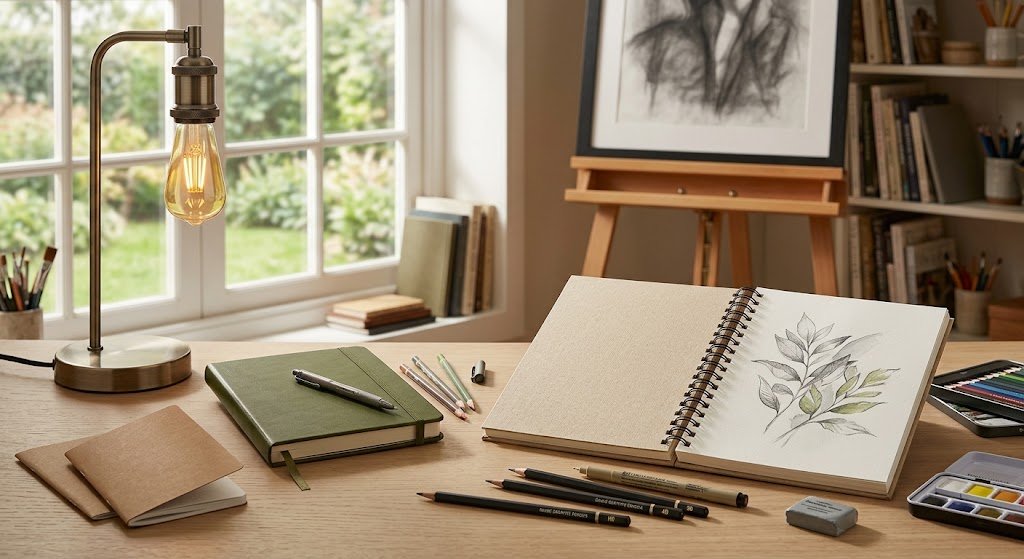
A sketchbook is a safe choice for almost any artist. Look for heavyweight, acid-free paper that holds up to pencil, ink, and watercolor. Acid-free paper matters because a sketch may someday become a finished piece or be sold, and it should last. Spiral binding lets the book lie flat and makes drawing at odd angles easier, though pages can tear out more readily. Heavier paper reduces that problem. Offering a few sizes lets the artist choose between a pocket book for outings and a larger one for studio work.
Pens and Pencils
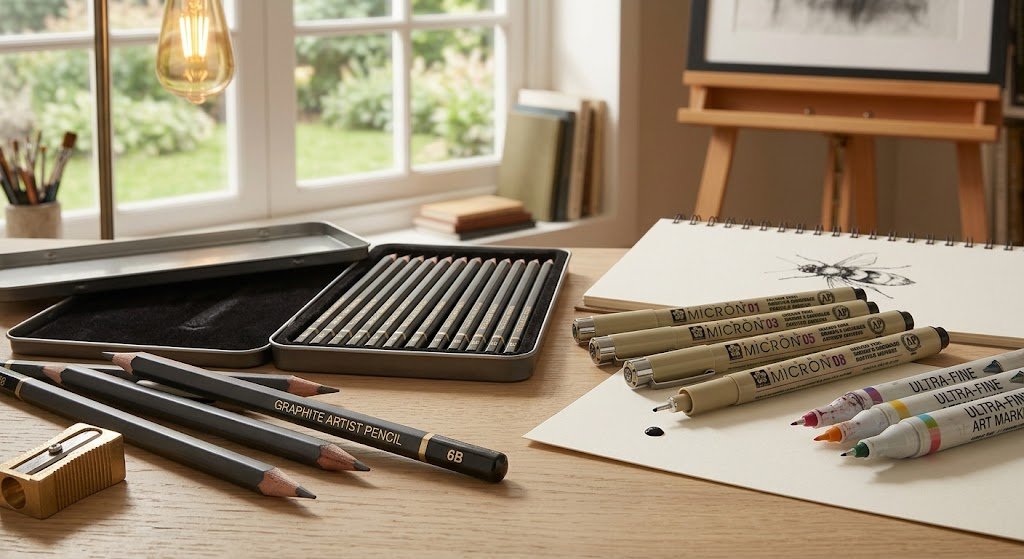
Graphite pencils are a pleasant surprise for many artists. They are solid graphite with a protective coating, so they sharpen like ordinary pencils without smudging the hands. Since pencils wear down quickly, a good set is always useful.
For ink work, archival pens such as Sakura Pigma Microns are a favorite. Pigma ink is pigment-based, so it won’t bleed through thin paper or fade in sunlight, and the pens don’t dry out between uses. Ultra-fine markers from an art supply store are a more affordable alternative, but they are less consistent.
Brushes
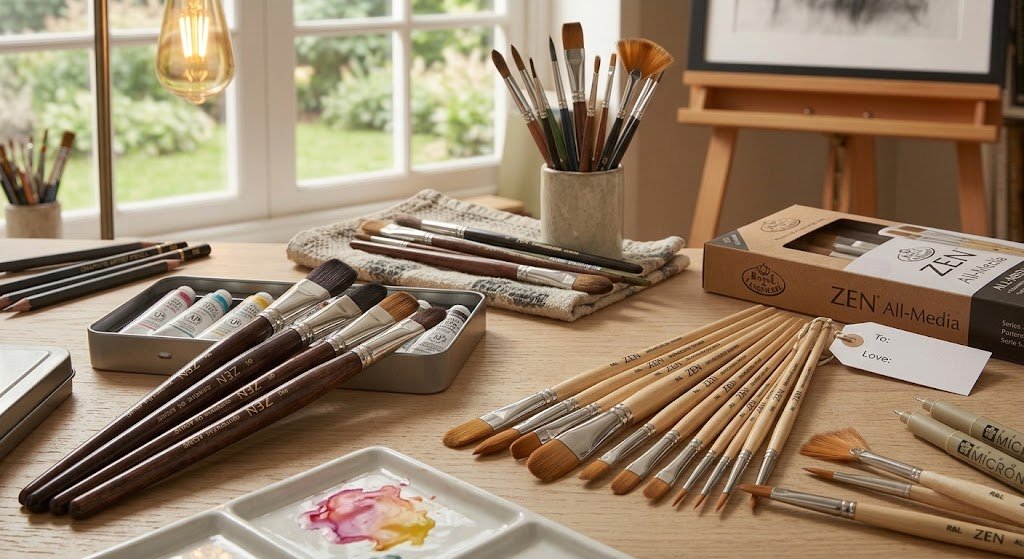
Brushes are rarely a wasted gift, as long as they match the artist’s medium. Oil, acrylic, and watercolor each call for different bristles and shapes, so it helps to know what the artist already uses. The Zen series from Royal & Langnickel is often recommended for its long handles, responsive feel, and reasonable price. It is available online and at some craft stores.
Erasers and Cleaning Tools
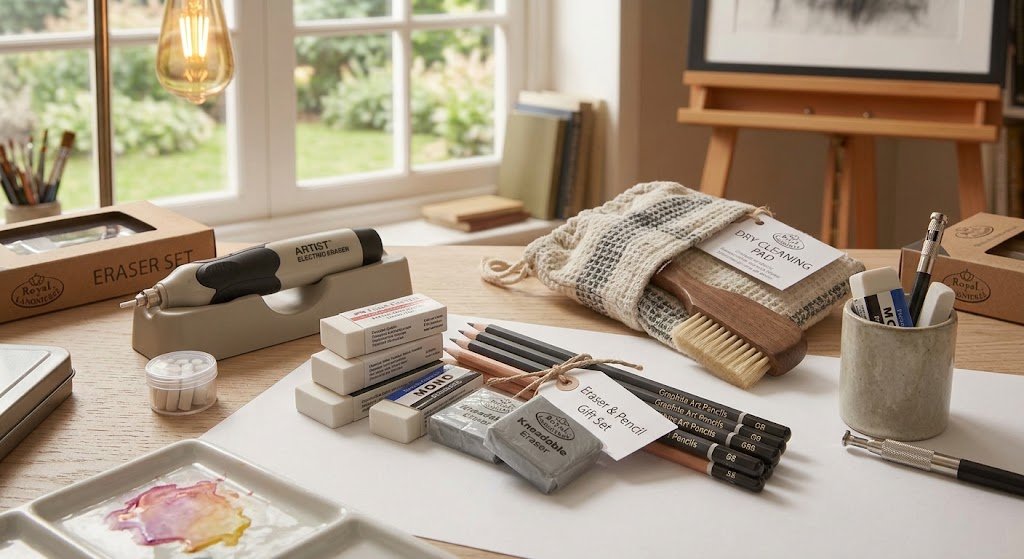
Erasers are inexpensive, practical, and easy to appreciate. Artists often prefer white erasers because they won’t leave colored residue on paper. Kneadable erasers can be shaped for fine detail, though they need replacing often as they get dirty. An electric eraser can ease strain on the hands, which may appeal to an artist with arthritis. Dry cleaning pads, which are different from laundry dry-cleaning products, gently lift dust, dirt, and fingerprints from finished work and clean tools. Pairing an eraser set with a new pencil or pastel makes a thoughtful bundle.
Painting Surfaces
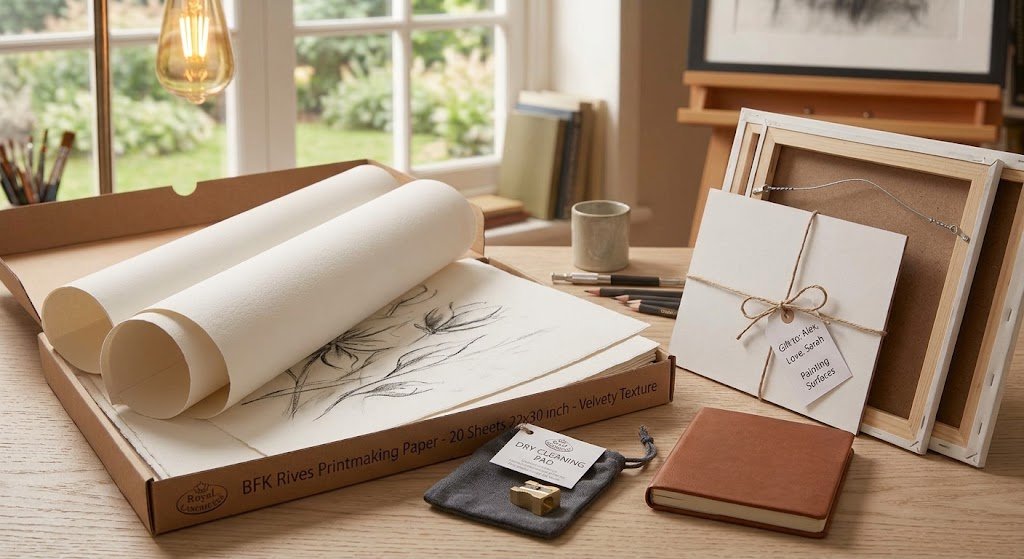
Working surfaces are personal, so it is worth finding out what an artist prefers before buying. For oil and acrylic, cradled hardboard panels such as Gessobord are popular because they are ready to hang without a frame. For pastel, charcoal, and pencil, heavyweight printmaking paper such as BFK Rives is known for its velvety texture and durability. It is usually sold in large sheets, so specialty art retailers are the best source.
Easels
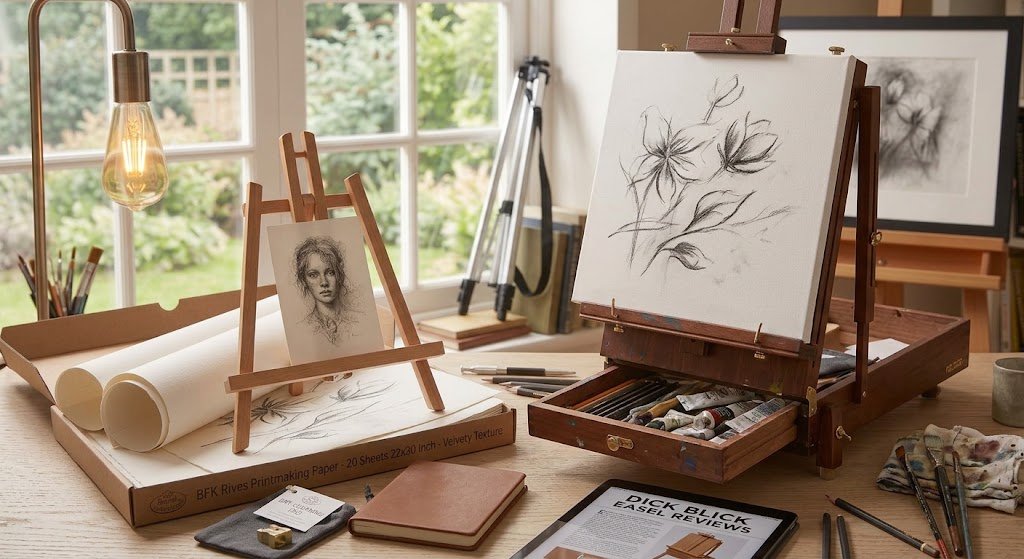
A good easel is a major investment, and the right one depends on how the artist works. A sturdy, portable model with folding legs can work outdoors or on a tabletop, and a built-in drawer keeps supplies within reach. Weight is a trade-off: a heavy easel resists wobbling under pressure but is harder to carry when loaded with gear. Many easels also struggle with small pieces, so check the size of the artist’s typical work before buying. Specialty retailers like Dick Blick publish reviews that help compare options.
Studio Lighting
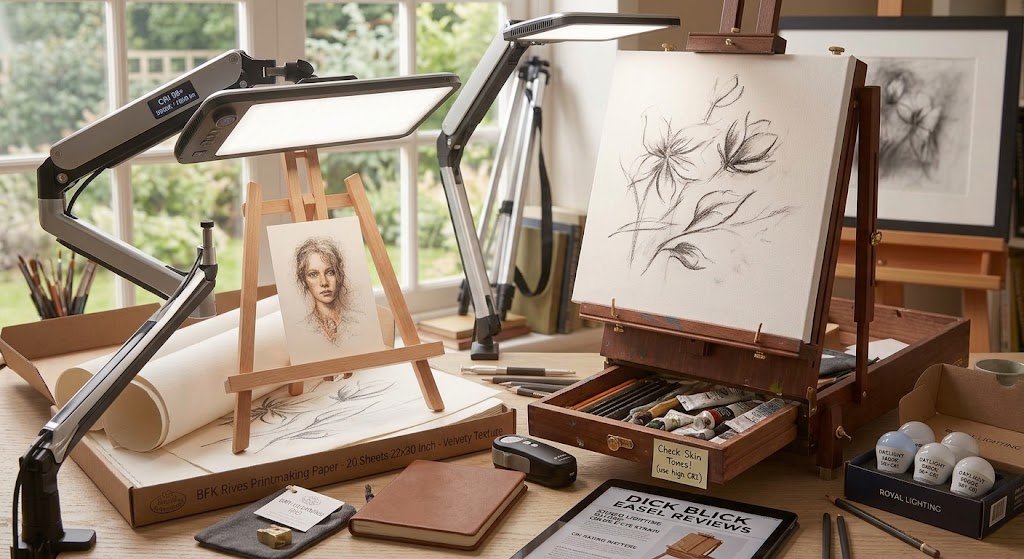
Lighting is one of the most useful gifts an artist can receive. Light has color, and the wrong bulbs can make paint look different than it will in daylight. Color-balanced lamps help artists mix and judge colors accurately, and they are especially valuable for skin tones, which can look dull or gray under poor lighting. Good lighting also eases eye strain, which matters for artists who work late or have aging eyes. These lights are not cheap, so research the color rating and brightness before purchasing.
Storage
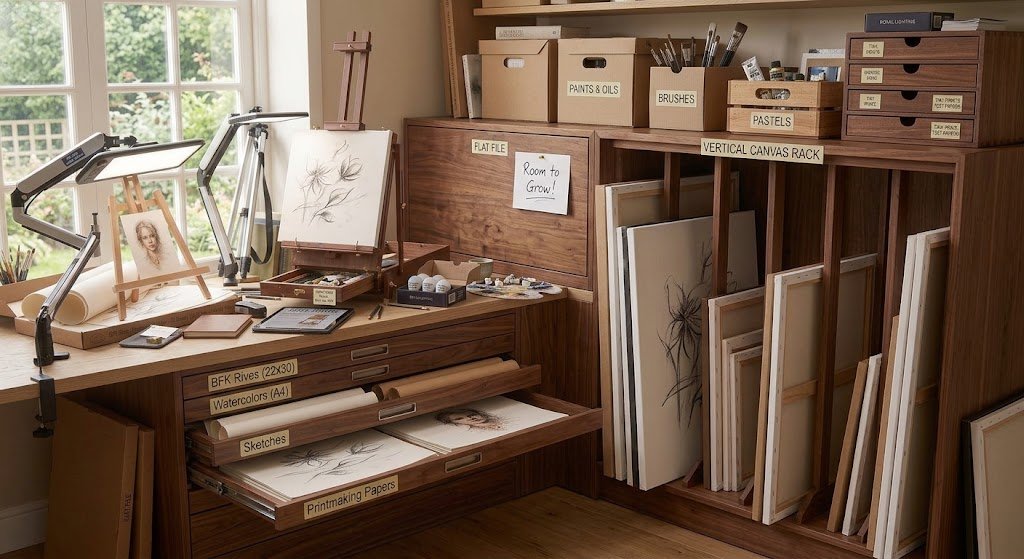
Artwork piles up quickly. Works on paper need flat storage, typically wide, shallow drawers, while paintings are best stored upright. Wooden flat files make a lovely premium gift, and a simple vertical rack can protect canvases from damage. Look for sturdy construction and enough space for the artist’s current output, with room to grow.
Gallery Hanging System
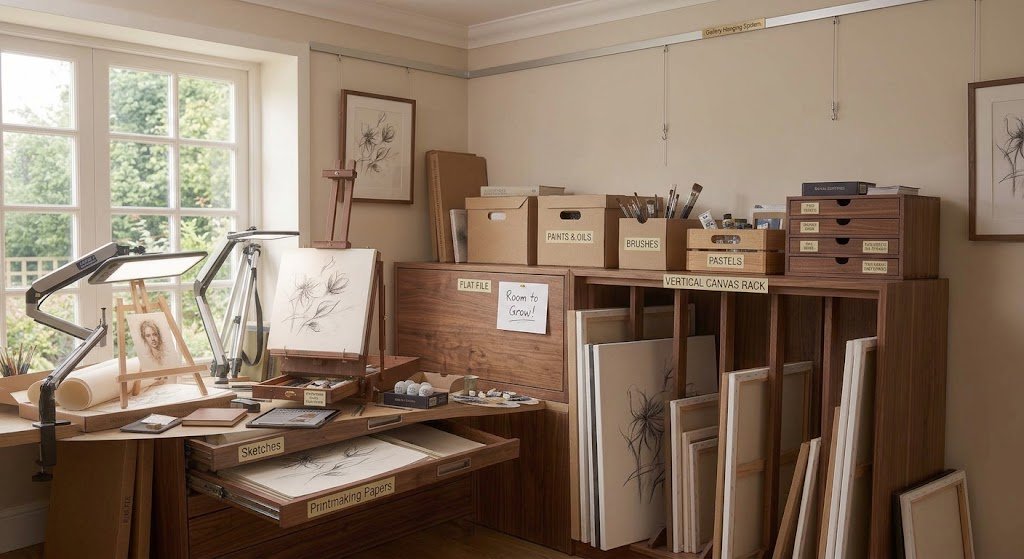
An artist who often changes displays will appreciate a gallery rail system. A rail and cable setup lets them rehang work without new nail holes, and it makes rearranging quick and easy. These systems cost more than most art supplies, which makes them a meaningful gift.
Digital Drawing Tablet
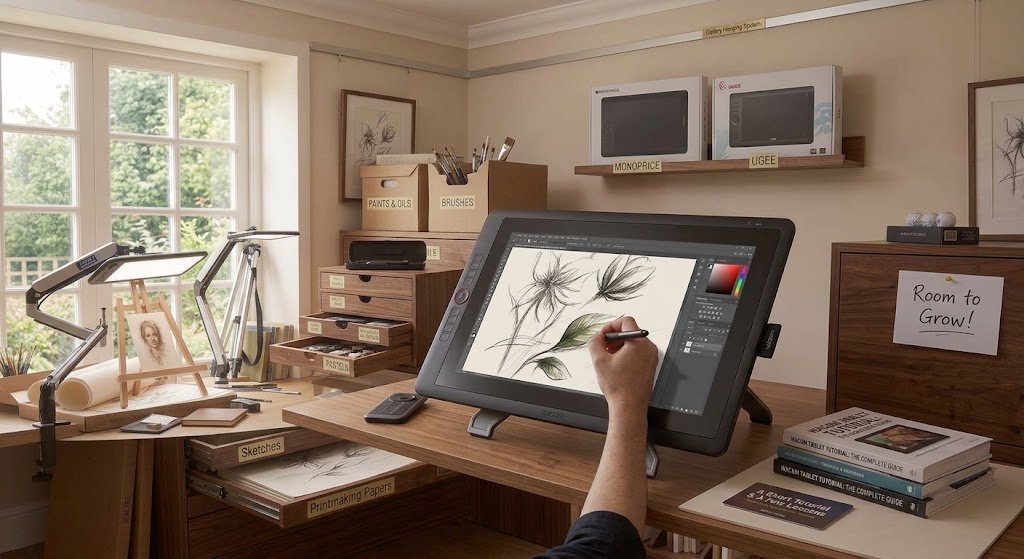
For artists who work digitally, a drawing tablet offers far more precision than a mouse or trackpad. Wacom is widely regarded as the industry standard, while brands like Monoprice and Ugee offer capable tablets at much lower prices. A tablet takes some getting used to, so consider including a short tutorial or a few lessons alongside it.
Creative Kits for Trying Something New
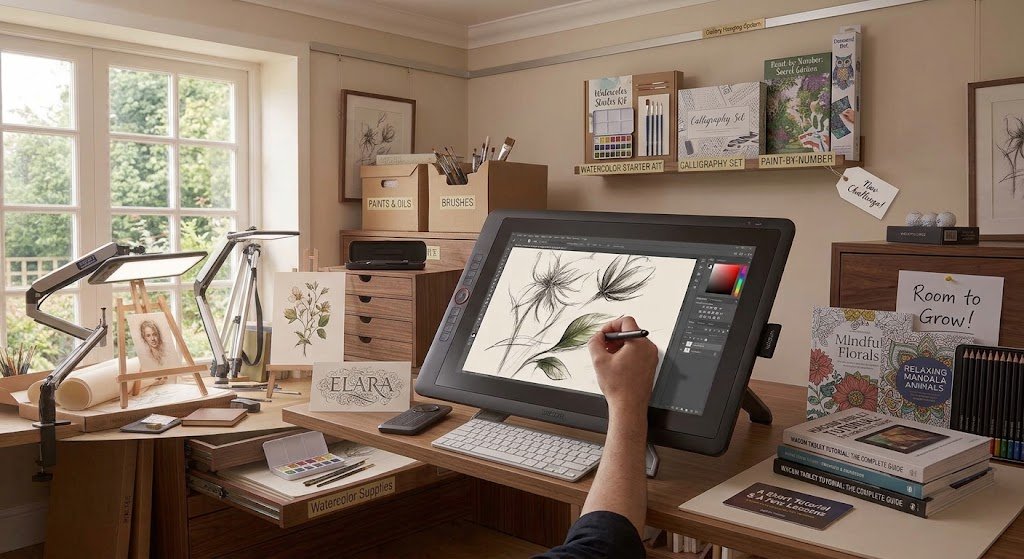
Not every artist wants more tools. Some would welcome a new creative challenge. Watercolor kits, calligraphy sets, paint-by-number kits, and diamond dot kits are gentle entry points that require little setup. Adult coloring books, with designs ranging from florals to animals, are relaxing and easy to enjoy. Many of these kits are sold with everything needed, which makes them convenient for a gift.
Comfort and Connection Extras
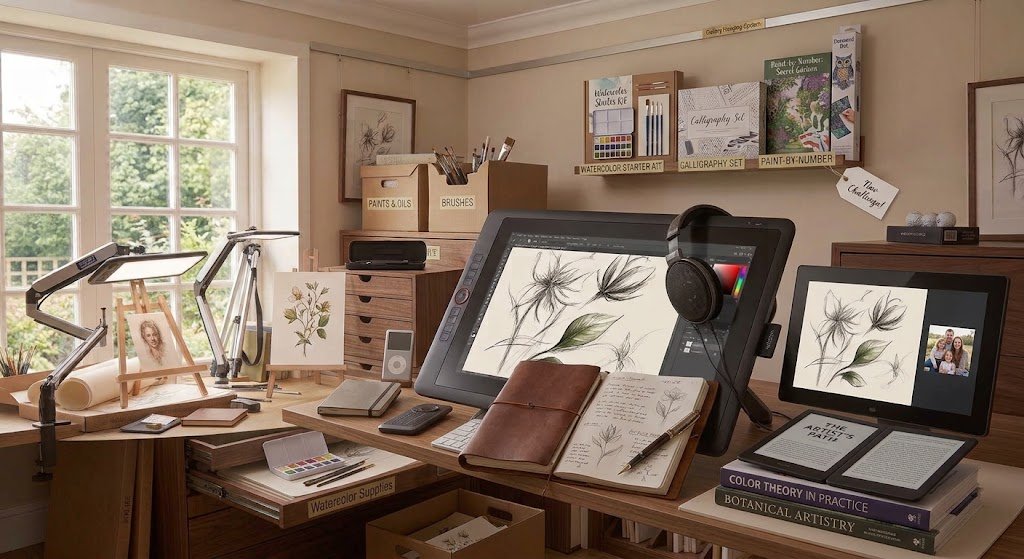
Some of the most appreciated gifts have little to do with art supplies. A journal lets an artist record ideas, sketch notes, or reflect on their work. A portable music player helps them enjoy favorite music while painting or traveling. A digital photo frame can display their artwork or family photos without requiring prints, and it can hold far more images than a traditional album. A high-quality art instruction book or an e-reader with a large-text setting can also be a good choice for an artist who enjoys learning.
Tips for Choosing the Right Gift
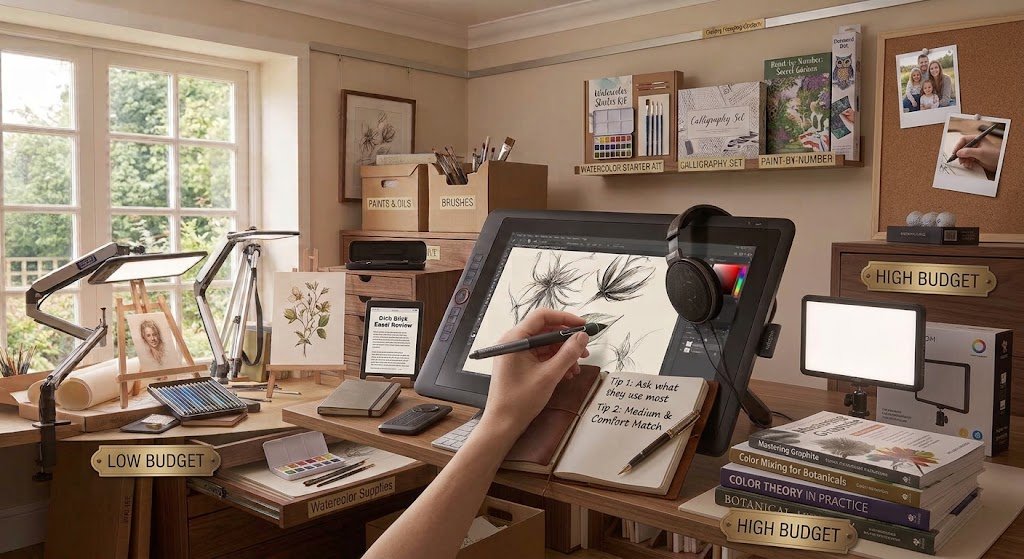
Before buying, look at the artist’s workspace and ask a family member or friend what they use most. The best gifts usually fit the artist’s medium, skill level, and physical comfort. Consider how the gift will feel in their hands: lightweight tools, comfortable grips, and easy-to-read instructions can make a big difference. Finally, match the gift to your budget. A new pencil set or a book of archival paper can be as meaningful as an expensive lighting system.
Final Thoughts
An older artist’s gift should respect their experience while inviting them to keep creating. Whether you choose a sketchbook they will fill for years, a lamp that makes their colors true, or a simple kit that starts a new hobby, the right present tells them their creative life still matters.