
 By Mubashir Abbasi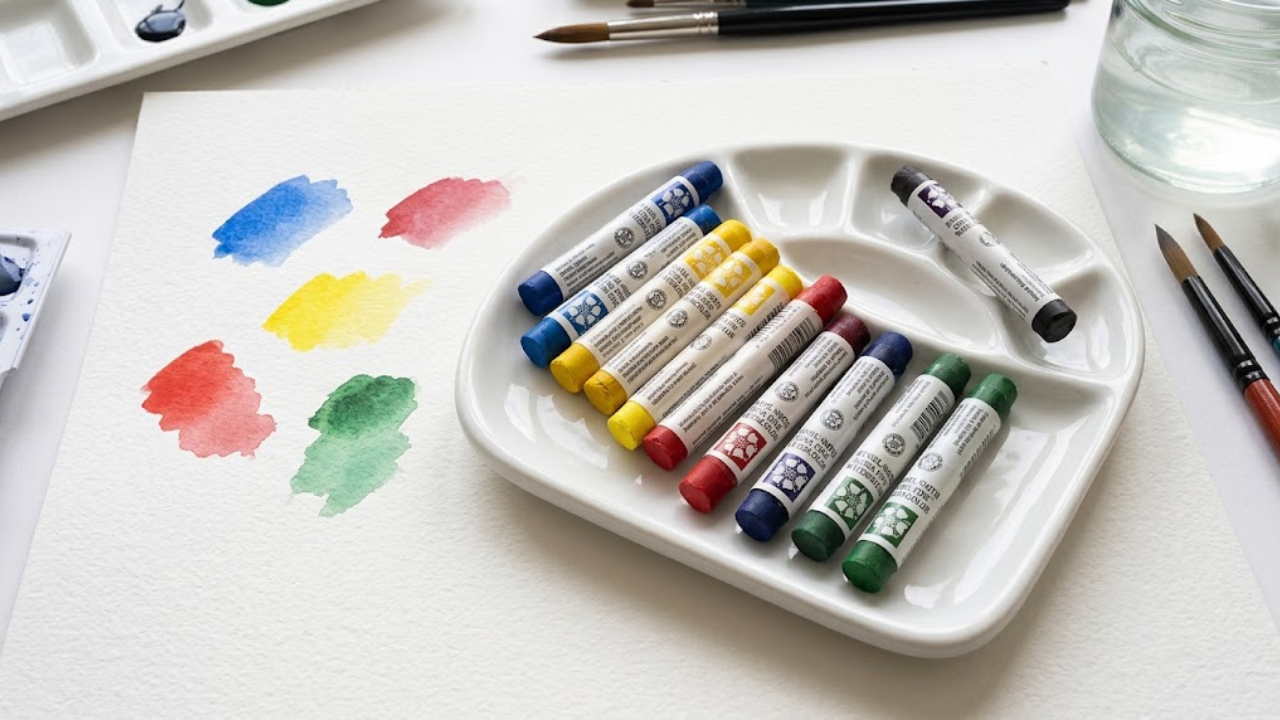
INTRODUCTION
Have you ever wished you could carry your entire watercolor palette in your pocket and paint anywhere inspiration strikes? That’s exactly what Daniel Smith watercolor sticks deliver—professional-grade pigment in a portable, crayon-like form that’s revolutionizing how artists work in 2026.
Whether you’re a seasoned watercolorist or just starting your painting journey, these innovative sticks offer unmatched versatility for sketching, plein air painting, and mixed media art. In this guide, you’ll discover what makes Daniel Smith watercolor sticks special, how to use them effectively, and which techniques will unlock their full potential.
You’ll learn the key benefits that set them apart from traditional pans and tubes, step-by-step methods to create stunning effects, and common mistakes to avoid. By the end, you’ll feel confident grabbing your sticks and creating art wherever you go.
TABLE OF CONTENTS
-
What Are Daniel Smith Watercolor Sticks?
-
Why Daniel Smith Watercolor Sticks Matter
-
Daniel Smith Watercolor Sticks: Key Facts and Types
-
How To Use Daniel Smith Watercolor Sticks
-
Common Mistakes and Myths to Avoid
-
Expert Tips for Best Results
-
Frequently Asked Questions
What Are Daniel Smith Watercolor Sticks?
Daniel Smith watercolor sticks are concentrated watercolor paint formed into solid, crayon-shaped sticks that you activate with water. Think of them as pans you can hold directly in your hand—same professional pigments, same vibrant colors, but in a format that lets you draw, sketch, and paint with incredible freedom.
Each stick contains the same high-quality, artist-grade pigments found in Daniel Smith’s tubes and pans. The difference? You can use them dry for sketching, wet them for intense color, or dissolve them into washes. They’re like having a watercolor brush and palette combined into one portable tool.
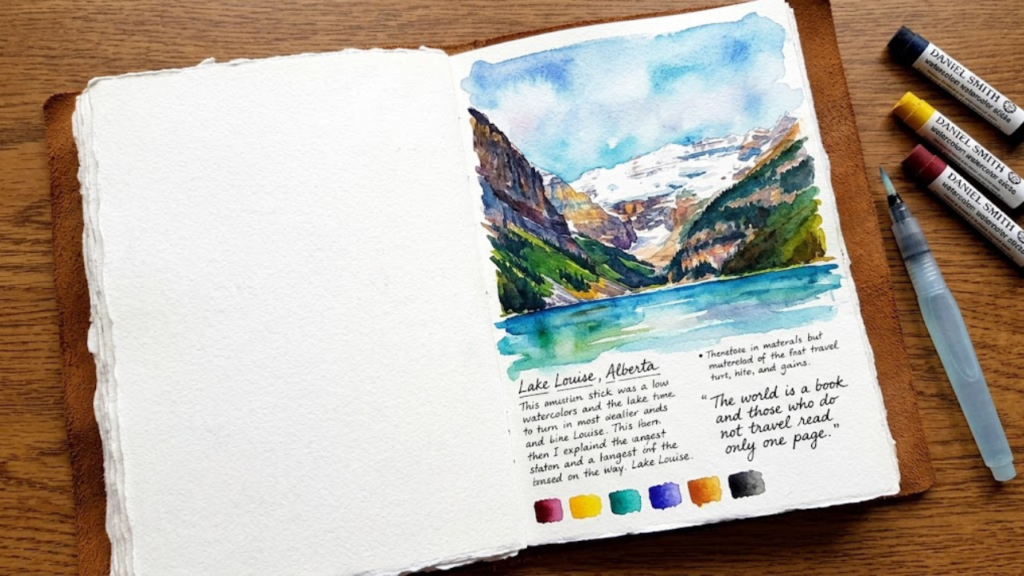
Imagine you’re hiking and spot a breathtaking mountain view. Instead of setting up a full watercolor kit, you pull out a few Daniel Smith watercolor sticks, a brush, and your sketchbook. You draw the mountain outline directly with the stick, then activate it with a wet brush to create washes. The entire setup fits in your jacket pocket.
This flexibility makes Daniel Smith watercolor sticks perfect for travel journals, urban sketching, and spontaneous creative sessions. You control the intensity by adjusting water—more water for soft washes, less for bold, saturated marks.
Why Daniel Smith Watercolor Sticks Matter
Daniel Smith watercolor sticks offer unique advantages that traditional watercolor formats can’t match. Here’s why artists are making the switch:
-
Ultimate portability: Sticks weigh less and take up far less space than pans or tubes, making them ideal for travel and plein air painting.
-
Direct drawing capability: You can sketch and paint with the same tool, eliminating the need for separate pencils and brushes.
-
Fast setup and cleanup: No palette mixing required—just wet your brush and start painting immediately.
-
Precise color control: Apply pigment exactly where you want it, then activate with water for predictable results.
-
Cost-effective longevity: Sticks last longer than you’d expect because you control how much pigment you use per stroke.
-
Versatile techniques: From fine lines to broad washes, one stick creates multiple effects without switching tools.
Research shows that artists who paint outdoors report higher creative satisfaction and improved observational skills. Daniel Smith watercolor sticks remove the barriers that keep painters indoors, making it easier to capture moments as they happen.
Daniel Smith Watercolor Sticks: Key Facts and Types
Understanding the different Daniel Smith watercolor sticks options helps you choose the right set for your style and subjects.
Extra Fine Artist Watercolor Sticks
These are the flagship Daniel Smith watercolor sticks, featuring 69 single-pigment colors with exceptional lightfastness. They’re highly concentrated, so a little goes far. Perfect for artists who want maximum color control and professional results.
Themed Color Sets
Daniel Smith offers curated sets designed for specific subjects. The Aquatic Landscapes set includes five blues and greens perfect for seascapes and skies. The Granulating Power set features minerals that create beautiful texture and depth. These sets take the guesswork out of color selection.
Core Mixing Sets
Built around primary and secondary colors, these sets help you learn color theory while painting. Mix your own hues instead of relying on pre-mixed colors. Great for beginners and color enthusiasts who enjoy experimentation.
Individual Sticks
Buy single colors to expand your collection or replace favorites. Popular choices include Quinacridone Gold, Ultramarine Blue, and Burnt Sienna. This lets you customize your palette without buying full sets.
All Daniel Smith watercolor sticks use the same professional pigments, so quality stays consistent across formats. The main difference is convenience and how you prefer to work.
How To Use Daniel Smith Watercolor Sticks
Follow these steps to master Daniel Smith watercolor sticks and create stunning artwork:
-
Gather your supplies: You need Daniel Smith watercolor sticks, watercolor paper (300gsm minimum), a water brush or regular brush with water container, and a palette or dish for mixing. Quality paper prevents warping and keeps colors vibrant.
-
Test your sticks first: Before starting your artwork, swatch each color on scrap paper. Try them dry, then wet, to see how they behave. This helps you understand pigment intensity and drying time.
-
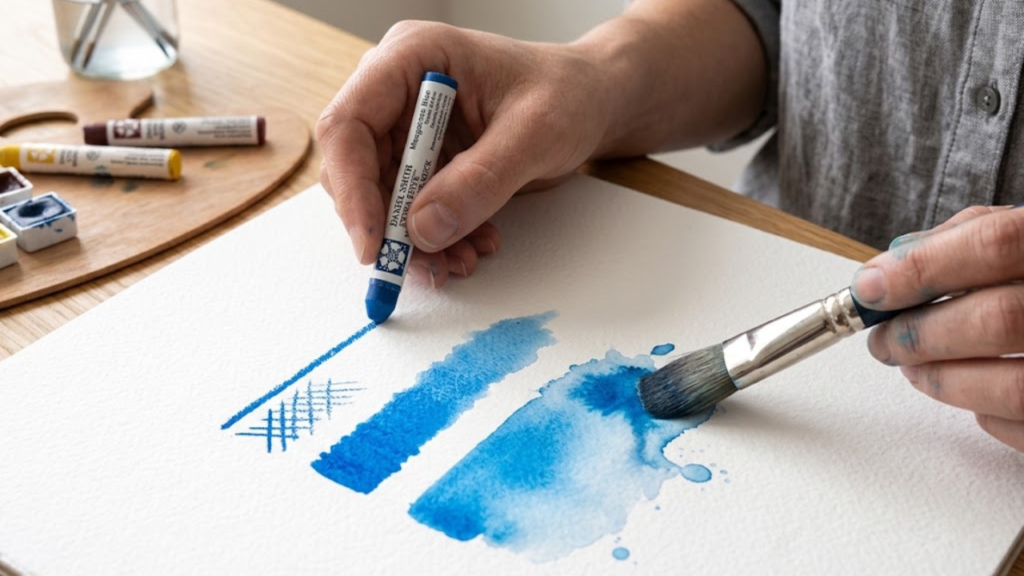
Sketch directly with the stick: Use the stick like a crayon to draw your composition on dry paper. Apply light pressure for faint lines, heavier pressure for bold marks. You can erase light pencil marks later if needed.
-
Activate with water: Load your brush with water and touch it to the stick’s surface, or paint over your drawn lines. The water dissolves the pigment, creating washes. More water = softer colors; less water = intense saturation.
-
Layer and blend: Let the first layer dry completely before adding more color. Build depth by layering darker values over lighter ones. You can also blend wet colors directly on paper for smooth transitions.
-
Clean and store properly: Wipe sticks with a damp cloth after use to remove residue. Store them in a dry case away from direct sunlight. Proper care extends their lifespan significantly.
Practice these techniques regularly, and you’ll develop intuition for how much water and pressure each effect requires.
Common Mistakes and Myths to Avoid
Even experienced artists hit snags with Daniel Smith watercolor sticks. Here are the most common mistakes and how to fix them:
-
Using too little water: Dry application creates scratchy, uneven marks that don’t activate properly. Truth: Load your brush generously—watercolor needs moisture to flow. Test on scrap paper first.
-
Overworking wet paint: Scrubbing or rebrushing areas lifts pigment and creates muddy patches. Truth: Apply color confidently, then let it dry. Add details in separate layers once the base is completely dry.
-
Skipping paper quality: Thin sketchbook paper (under 200gsm) buckles and tears under wet washes. Truth: Use 300gsm cold-press watercolor paper for best results. It handles water without warping.
-
Expecting opaque coverage: Watercolor is transparent by nature, and sticks follow the same rules. Truth: Build intensity through layering, not thick application. Embrace the translucency as a feature, not a flaw.
-
Storing sticks improperly: Leaving caps off or storing in humid conditions causes sticks to soften or crack. Truth: Keep them in their case, tightly closed, in a cool dry place.
Avoiding these pitfalls accelerates your progress and keeps frustration low.
Expert Tips for Best Results
Level up your Daniel Smith watercolor sticks game with these actionable tips:
-
Sharpen your sticks: Use a craft knife or pencil sharpener to create fine points for detailed work. A sharp edge gives you precise control over line weight.
-
Pre-wet your paper: Dampen paper before applying sticks for softer, more blended effects. This technique works beautifully for skies and backgrounds.
-
Mix on your palette: Dissolve stick pigment into water on your palette, then apply with a brush for even washes. This gives you more control than direct application.
-
Combine with other media: Layer Daniel Smith watercolor sticks with ink, markers, or oil pastels for mixed media depth. They play well with most water-soluble materials.
-
Carry a travel kit: Keep a small set of sticks, water brush, and mini sketchbook always ready. Inspiration strikes unexpectedly, and quick sketches build consistent habits.
These small adjustments create big improvements in your work over time.
Frequently Asked Questions
Are Daniel Smith watercolor sticks better than pans or tubes?
It depends on your needs. Daniel Smith watercolor sticks excel at portability and direct drawing, making them ideal for travel and sketching. Pans offer convenience for studio work, while tubes provide the most paint for large paintings. All three formats use the same professional pigments, so quality stays consistent. Choose based on how and where you paint most often.
How long do Daniel Smith watercolor sticks last?
With proper care, Daniel Smith watercolor sticks last years—even with regular use. Because you control pigment application, they wear down slowly. A single stick can create hundreds of paintings depending on your technique. Store them in their case, keep them dry, and avoid dropping them to maximize lifespan.
Can I use Daniel Smith watercolor sticks on regular paper?
You can, but results won’t be optimal. Regular drawing paper buckles under wet washes and doesn’t hold pigment well. For best results, use 300gsm watercolor paper designed for wet media. Cold-press texture works beautifully with Daniel Smith watercolor sticks, allowing pigment to settle and create rich effects.
CONCLUSION
Daniel Smith watercolor sticks combine professional quality with unmatched portability, letting you paint anywhere inspiration finds you. You’ve learned what makes them unique, how to use them effectively, and which techniques unlock their full creative potential.
Start today with simple subjects around you—a coffee cup, a plant, a window view. Grab your sticks, follow the steps, and let each sketch teach you something new. Progress comes from doing, not waiting for perfect conditions.
What’s the first subject you’ll paint with your Daniel Smith watercolor sticks? Share your plans or questions in the comments below!