 By Richard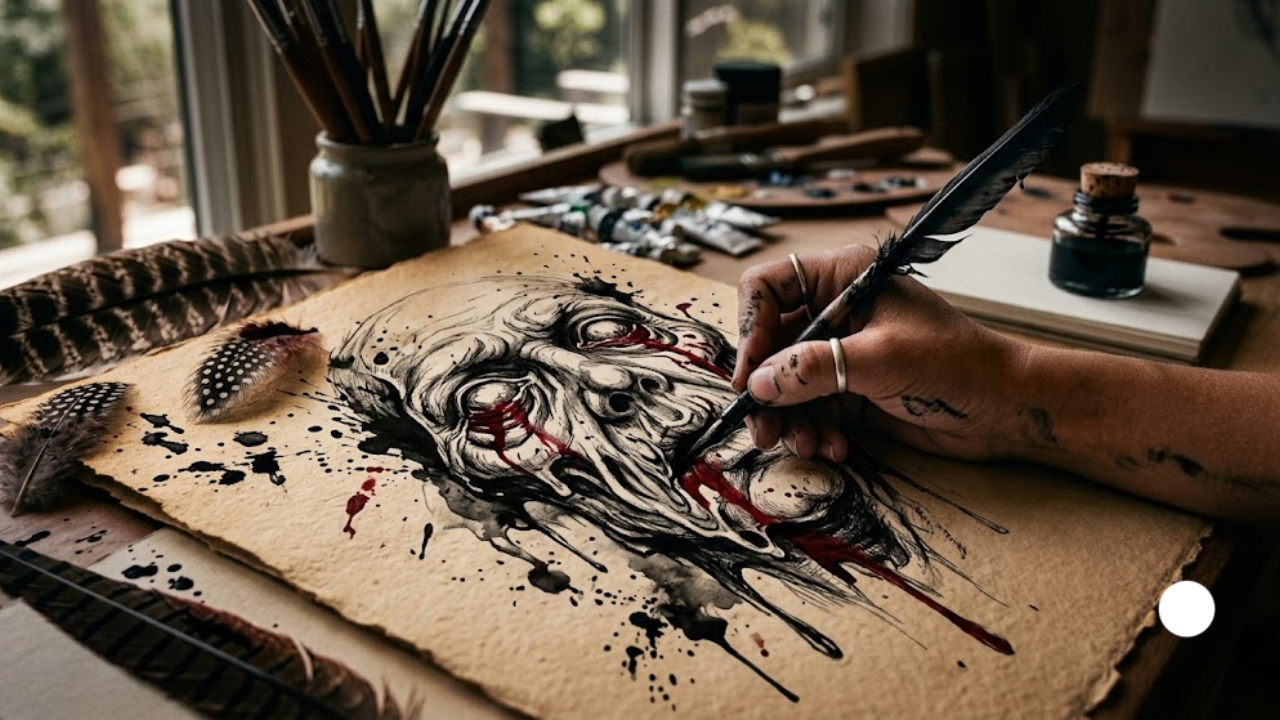
Introduction
What makes a drawing so repulsive that you can’t look away? Gross drawings have a strange power—they repel and fascinate at the same time. Whether it’s a melting face, a slimy creature, or an exaggerated wound, there’s something magnetic about art that pushes boundaries.
You’ve probably seen gross drawings online or in galleries and wondered: how do artists make something so disturbing look so good? This guide breaks it all down. You’ll learn what gross drawings really are, why they matter in the art world, and exactly how to create your own unsettling masterpieces. We’ll cover different styles, step-by-step techniques, common mistakes to avoid, and pro tips that will take your work from “meh” to “ugh” in the best way possible.
No fluff, just practical knowledge you can start using today. Ready to get your hands dirty?
Table of Contents
-
What Are Gross Drawings? / Introduction to Gross Art
-
Why Do Gross Drawings Matter? / Key Benefits
-
Gross Drawings — Key Facts / Types / How It Works
-
How To Create Your Own Gross Drawings
-
Common Mistakes / Myths to Avoid
-
Expert Tips for Best Results
-
Frequently Asked Questions
What Are Gross Drawings? Introduction to Gross Art
Gross drawings are artworks that deliberately depict unpleasant, disgusting, or unsettling subjects. Think oozing wounds, rotting flesh, slimy creatures, exaggerated bodily fluids, or distorted faces. But here’s the thing—gross drawings aren’t just about shock value. They’re a legitimate artistic genre with deep historical roots.
Think of it like horror movies. Some people watch them for the gore, but others appreciate the craft, the tension, and the way fear makes you feel alive. Gross drawings work the same way. They tap into primal emotions—disgust, fear, curiosity—and force you to confront things you’d normally avoid.
Artists have been creating gross drawings for centuries. Leonardo da Vinci sketched grotesque faces. Francisco Goya created haunting images of war and madness. Hieronymus Bosch filled his paintings with nightmarish creatures. Today, gross drawings appear in everything from underground comics to high-end galleries.
Gross drawings aren’t about being lazy or messy. They require real skill. You need to understand anatomy, shading, texture, and composition to make something look convincingly disgusting. It’s art that makes you feel something—even if that something is “ew.”
Why Do Gross Drawings Matter? / Key Benefits
Creating gross drawings offers surprising benefits for artists and viewers alike. Here’s why this genre matters:
-
Pushes creative boundaries — Gross drawings force you to explore subjects and techniques you’d normally avoid. This expands your artistic range and keeps your work fresh.
-
Develops technical skills — Rendering realistic disgust requires mastery of texture, shading, and anatomy. You’ll become a better artist overall by tackling challenging subjects.
-
Evokes powerful emotions — Art should make you feel something. Gross drawings trigger visceral reactions that stick with viewers long after they look away.
-
Builds a unique artistic voice — Not everyone has the guts to create gross drawings. Embracing this style helps you stand out in a crowded art world.
-
Provides catharsis — Drawing disturbing subjects can be oddly therapeutic. It lets you process dark thoughts and emotions in a safe, creative way.
-
Connects you to art history — From Goya to Bosch to modern horror illustrators, gross drawings have a rich tradition. You’re joining a lineage of artists who weren’t afraid to look at the ugly side of life.
Here’s a stat to chew on: The global market for original hand-drawn artwork is projected to reach over $2.5 billion by 2026. Within that market, alternative and provocative styles—including gross drawings—are seeing some of the fastest growth. Collectors are hungry for art that challenges and disturbs.
Gross Drawings — Key Facts
Gross drawings come in many flavors. Here’s a breakdown of the main types you’ll encounter:
Grotesque Portraits
These focus on distorted human faces. Think elongated features, bulging eyes, twisted expressions, and exaggerated imperfections. Artists like Leonardo da Vinci and George Grosz pioneered this style. Gross drawings in this category are all about pushing facial features to uncomfortable extremes.
Anatomical Horror
These gross drawings depict the human body in states of decay, injury, or dissection. They require serious anatomical knowledge. Some artists create gross drawings inspired by gross anatomy labs, rendering hearts, lungs, and brains with unsettling precision. Others imagine what happens when bodies break down in unnatural ways.
Monster and Creature Art
From slimy aliens to rotting zombies, creature art is a playground for gross drawings. You can invent entirely new lifeforms or put disturbing twists on familiar animals. The key is making them look believably disgusting—wet, slimy, or decaying textures are your friends here.
Surreal and Psychedelic Grossness
Some gross drawings don’t depict anything real. Instead, they blend organic forms into nightmarish, dreamlike compositions. Artists like Carroll Dunham create hypersexualized, violent, and grotesque characters that feel both familiar and completely alien.
Comparison Table: Which Gross Drawing Style Is Right for You?
| Style | Difficulty | Best For | Key Technique |
|---|---|---|---|
| Grotesque Portraits | Intermediate | Facial distortion, expression | Exaggeration, asymmetry |
| Anatomical Horror | Advanced | Realism, medical accuracy | Detailed shading, texture |
| Monster/Creature Art | Beginner to advanced | Imagination, world-building | Texture, slime, decay |
| Surreal Grossness | Intermediate | Dreamlike, abstract | Blending, fluid forms |
How To Create Your Own Gross Drawings
Ready to make your own gross drawings? Follow these steps to get started.
Step 1: Find Your Inspiration
Look at real-life gross things—decaying fruit, mold, wounds, or even gross anatomy photos. Study how textures look and how light interacts with wet, slimy, or rotting surfaces. Save reference images to guide your gross drawings.
Step 2: Sketch the Basic Shape
Start with a light pencil outline. Whether you’re drawing a face, a creature, or a body part, get the proportions right first. Don’t worry about details yet. For gross drawings, a slightly off proportion can actually work in your favor—it adds to the unsettling feeling.
Step 3: Build the Texture
This is where gross drawings come to life. Use short, varied strokes to create rough, uneven surfaces. For slimy textures, use smooth, flowing lines. For decay, use stippling or cross-hatching to create a pitted, damaged look. Layering different textures makes your gross drawings more convincing.
Step 4: Add Shadows and Depth
Gross things look flat without proper shading. Identify your light source and add deep shadows in crevices, under folds, and around wounds. Use a blending stump or your finger to soften transitions. The contrast between light and dark makes gross drawings pop.
Step 5: Incorporate Gross Details
This is the fun part. Add ooze, blood, slime, or whatever makes your drawing disgusting. Use white gel pen or eraser to add highlights on wet surfaces. Splatter ink for extra chaos. These finishing touches separate amateur gross drawings from professional work.
Step 6: Step Back and Refine
Take a break and look at your gross drawing with fresh eyes. What’s working? What needs more texture? What looks too clean? Add more layers, deepen shadows, or exaggerate features until your drawing hits the right level of gross.
Common Mistakes
Even experienced artists mess up gross drawings. Here’s what to watch for:
-
Mistake: Making everything equally gross. If every inch of your drawing is disgusting, nothing stands out. The truth: Build contrast. Have clean areas that make the gross parts look even worse by comparison.
-
Mistake: Overusing gore. Blood and guts don’t automatically make good gross drawings. The truth: Psychological discomfort—distorted faces, unsettling expressions—often works better than pure gore.
-
Myth: Gross drawings are easy and require no skill. Some people think “gross” means “sloppy.” The truth: Great gross drawings require serious technical ability. You need to understand anatomy, texture, and shading to make something look convincingly disgusting.
-
Mistake: Forgetting the “art” part. Gross drawings are still art. The truth: Composition, contrast, and visual balance matter just as much as they do in any other genre.
-
Myth: Gross drawings are just for edgy teenagers. The truth: Gross drawings have a long history in fine art. Major museums exhibit grotesque works by masters like Goya, Redon, and Ensor.
Expert Tips for Best Results
Take your gross drawings to the next level with these pro insights:
-
Study real anatomy. Knowing how bodies actually work makes your distortions more convincing. Gross anatomy references are your best friend.
-
Use a variety of pencils. Soft pencils (6B–8B) create deep, dark shadows. Hard pencils (2H–4H) give you fine control for delicate textures.
-
Experiment with ink splatter. Dip an old toothbrush in ink and flick it onto your paper for organic, unpredictable grossness.
-
Layer your textures. Start with light shading, add medium tones, then go dark. Building layers creates depth that flat drawings lack.
-
Don’t be afraid to push further. If your drawing doesn’t make you slightly uncomfortable, you haven’t gone far enough. Exaggerate until it feels right.
Frequently Asked Questions
Q1: What’s the best medium for gross drawings?
Pencil and ink are great for beginners—they let you build texture gradually. Watercolor and acrylic work well for wet, slimy effects. Digital art offers endless possibilities for blending and texture manipulation. Start with whatever you have on hand and experiment from there.
Q2: Are gross drawings appropriate for all audiences?
Gross drawings aren’t for everyone. They can be disturbing, graphic, or offensive to some viewers. If you’re sharing your work online, use content warnings. If you’re creating for a specific audience, know what they can handle. Art that pushes boundaries also comes with responsibility.
Q3: How do I find inspiration for gross drawings?
Look at nature—decay, mold, insects, and roadkill are all great sources. Study medical illustrations and gross anatomy photos. Watch horror movies and study the creature designs. Follow gross art accounts on social media. Inspiration is everywhere if you’re willing to look at the ugly side of life.
Conclusion
Gross drawings are more than shock value—they’re a legitimate art form with deep history, serious technical demands, and real emotional impact. The three most important takeaways: start with strong fundamentals (anatomy, shading, texture), don’t be afraid to push boundaries, and remember that contrast makes grossness work.
Your first gross drawing might not look great. That’s okay. Keep practicing, keep experimenting, and keep pushing yourself. The art world needs more people willing to look at the ugly, the uncomfortable, and the disgusting.
So grab your pencil and start today. What’s the grossest thing you can imagine drawing?
Explore more drawing tutorials and creative inspiration at Doodle Unlimited.