
 By Richard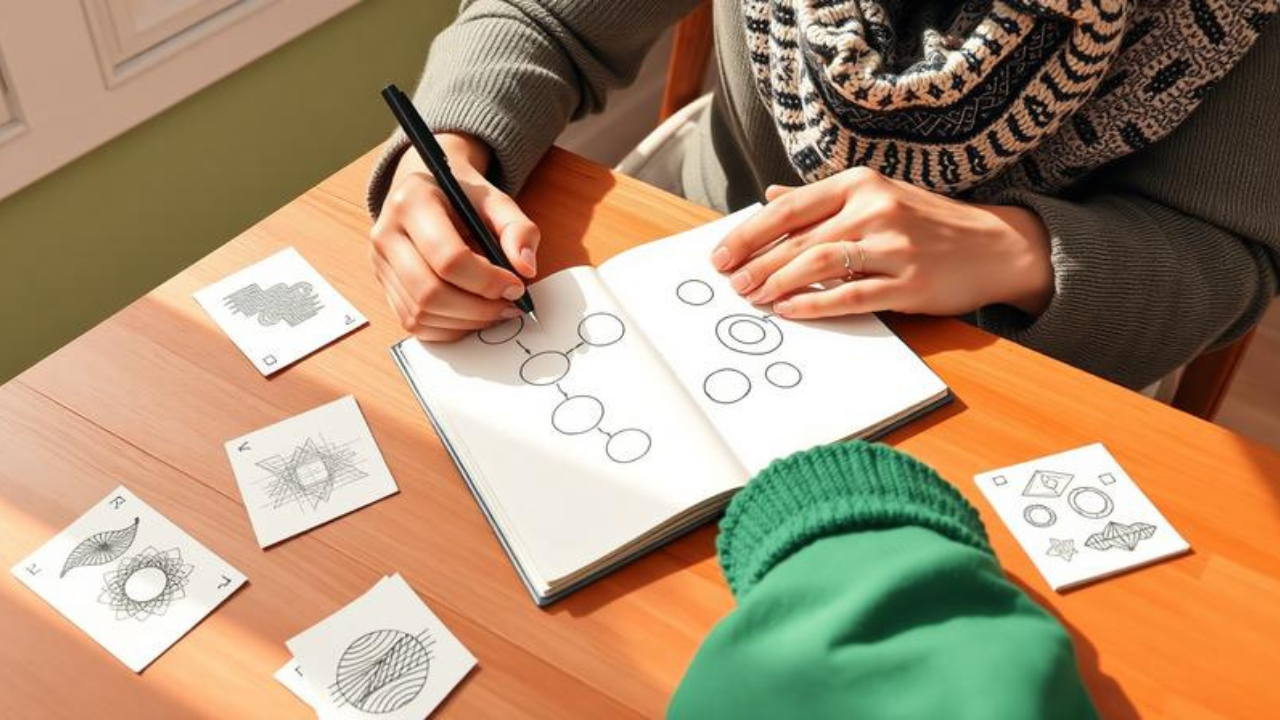
Introduction
Ever stared at a blank page and felt your mind freeze? You’re not alone. That moment of creative paralysis hits everyone — but what if there was a way to bypass it entirely? Enter basedoodle, the foundational approach to visual thinking that’s changing how people unlock their creativity. Whether you’re sketching ideas for work, creating a doodle headband pattern, or exploring doodle decks for fun, basedoodle gives you a starting point that actually works.
In this guide, you’ll learn exactly what basedoodle means, why it matters, and how to use it with tools like the doodle deck cowl, holiday doodle deck, and even the famous doodle deck Dublin collection. No art degree required. No fancy supplies needed. Just you, a pen, and a willingness to start.
Table of Contents
-
What Is Basedoodle? / Introduction to Basedoodle
-
Why Does Basedoodle Matter? / Key Benefits
-
Basedoodle — Key Facts / Types / How It Works
-
How To Use Basedoodle in Your Daily Life
-
Common Mistakes / Myths to Avoid
-
Expert Tips for Best Results
-
Frequently Asked Questions
-
Conclusion
Introduction to Basedoodle
Basedoodle is the foundational practice of using simple, repetitive doodle patterns as a starting point for visual thinking, creative projects, or relaxation. Think of it as the “alphabet” of doodling — the basic shapes, lines, and patterns that everything else builds on.
Here’s the simplest way to understand it: Imagine learning to cook. You don’t start with a five-course meal. You start with boiling water, cracking an egg, and chopping an onion. Basedoodle is exactly that — the basic techniques that make every other doodle possible. It’s the doodle equivalent of learning your scales before playing a concerto.
For example, when you pick up a doodle deck — those popular card sets filled with pattern prompts — you’re using basedoodle principles without even realising it. Each card gives you a foundation: a starting shape, a repeated motif, or a colour palette. From there, you build. The dog doodle deck might start with a simple circle (the head) and build outward. The holiday doodle deck might begin with a single star and expand into a whole scene.
Basedoodle isn’t about creating masterpieces. It’s about starting. It’s permission to be imperfect. And once you embrace that, the creative floodgates open.
\Why Does Basedoodle Matter?
Basedoodle isn’t just a trend — it’s a tool with real, measurable benefits. Here’s why it matters:
-
Lowers the barrier to entry — You don’t need to be “artistic” to start. Basedoodle gives you a clear, repeatable framework that removes the intimidation factor.
-
Boosts cognitive function — Studies show that repetitive drawing patterns activate the brain’s default mode network, which is linked to creativity, memory consolidation, and problem-solving.
-
Reduces stress and anxiety — The rhythmic nature of basedoodle patterns triggers a relaxation response similar to meditation. It’s why colouring books for adults became so popular.
-
Improves focus and attention — When you’re following a basedoodle pattern, your mind stays present. It’s a powerful antidote to the constant distractions of modern life.
-
Creates a foundation for skill-building — Once you master the basics, you can apply them to any project: a doodle headband design, a doodle (hat pattern) , or even complex doodle decks like the doodle deck cowl collection.
-
Connects you to a community — Platforms like the doodle directory and local groups like doodle deck Dublin bring basedoodle practitioners together to share, learn, and grow.
According to a 2024 study published in Frontiers in Psychology, participants who engaged in structured doodling for just 10 minutes a day reported a 27% increase in creative confidence and a 34% reduction in perceived stress. That’s not nothing.
Basedoodle — Key Facts
Basedoodle comes in several forms, each suited to different goals and skill levels. Here’s a breakdown:
Foundation Patterns
These are the absolute basics: circles, squares, triangles, lines, and dots. Everything else builds from these. Think of them as your creative building blocks.
Repeatable Motifs
Once you’ve got the basics, you combine them into repeating patterns — zigzags, spirals, waves, and grids. These are the heart of most doodle decks and the basis for projects like the doodle deck cowl.
Thematic Decks
This is where basedoodle really shines. Thematic decks group patterns by theme — holidays, animals, nature, or even cities like doodle deck Dublin. Each deck gives you a curated set of basedoodle prompts to work with.
Project-Based Basedoodle
This takes the patterns and applies them to a specific outcome. Think doodle headband designs, doodle (hat pattern) templates, or even full garments like the doodle deck cowl. The patterns remain simple, but the application becomes practical.
Comparison Table: Basedoodle Types at a Glanc
| Type | Best For | Difficulty | Example |
|---|---|---|---|
| Foundation Patterns | Absolute beginners | ★☆☆☆☆ | Circles, lines, dots |
| Repeatable Motifs | Building confidence | ★★☆☆☆ | Spirals, zigzags, waves |
| Thematic Decks | Exploring interests | ★★★☆☆ | Holiday Doodle Deck, Dog Doodle Deck |
| Project-Based | Creating finished items | ★★★★☆ | Doodle headband, hat pattern, cowl |
How It All Connects
Here’s the magic: every type of basedoodle feeds into the others. Master a few foundation patterns, and you can work through any doodle deck. Practice with a holiday doodle deck, and you’ll have the skills to design your own doodle headband. Join the doodle directory community, and you’ll find inspiration for projects you never imagined.
How To Use Basedoodle in Your Daily Life
Ready to start? Follow these steps:
Step 1: Gather Your Tools
You don’t need much. A pen, some paper, and five minutes. That’s it. If you have a doodle deck, great. If not, grab any piece of paper.
Step 2: Pick a Starting Point
Choose one simple shape — a circle, a square, or a line. This is your basedoodle anchor. Draw it in the centre of your page. Don’t overthink it.
Step 3: Repeat and Build
Draw that same shape again, right next to the first one. Then again. Then again. Let the repetition create a rhythm. This is the core of basedoodle — simple actions, repeated with intention.
Step 4: Introduce Variation
Once you’re comfortable, change one thing. Make the circle slightly bigger. Turn the square into a diamond. Add a dot inside each shape. These small variations are where creativity blooms.
Step 5: Apply to a Project
Now take your basedoodle skills and point them at something real. Design a doodle headband pattern. Sketch out a doodle (hat pattern) . Or pull a card from your dog doodle deck and bring it to life. The skills you’ve built are transferable to everything.
Common Mistakes
Mistake #1: “I need to be good at drawing”
Truth: Basedoodle isn’t about talent. It’s about process. The patterns are simple by design. Anyone can do them.
Mistake #2: “I need expensive supplies”
Truth: A ballpoint pen and scrap paper work perfectly. Fancy markers and sketchbooks are nice, but they’re not required.
Mistake #3: “It’s just for kids”
Truth: Basedoodle is used by business consultants, therapists, educators, and designers. It’s a serious tool for serious thinking.
Mistake #4: “I have to finish in one sitting”
Truth: Basedoodle is modular. You can do five minutes today, five minutes tomorrow. It all adds up.
Mistake #5: “My doodles have to mean something”
Truth: They don’t. The value is in the process, not the product. Let go of meaning and just enjoy the motion.
Expert Tips for Best Results
-
Start with five minutes a day — Consistency beats intensity. A short daily practice builds skill faster than a marathon session once a month.
-
Use a doodle deck for inspiration — Decks like the holiday doodle deck or dog doodle deck remove the “what do I draw?” question entirely.
-
Keep a dedicated sketchbook — Even if it’s just a cheap notebook. Having a single place for your basedoodle practice builds momentum.
-
Join a community — Check out the doodle directory or local groups like doodle deck Dublin to share work and stay motivated.
-
Apply your skills to real projects — Don’t just practice for practice’s sake. Design a doodle headband, knit a doodle deck cowl, or create your own doodle (hat pattern) . Purpose fuels progress.
Frequently Asked Questions
Q: What’s the difference between basedoodle and regular doodling?
Regular doodling is often unconscious and random. Basedoodle is intentional — it follows structured patterns and repeatable techniques. Think of it as doodling with purpose.
Q: Can I use basedoodle for knitting or crochet patterns?
Absolutely. The doodle deck cowl and other project-based decks are designed specifically for crafters. The patterns translate directly into colourwork charts for knitting and crochet.
Q: Where can I find basedoodle resources and communities?
Start with the doodle directory for a curated list of resources. For physical products, explore doodle decks like the holiday doodle deck, dog doodle deck, or regional collections like doodle deck Dublin.
Conclusion
Basedoodle is more than a trend — it’s a gateway. It takes the intimidation out of creativity and replaces it with simple, repeatable actions that anyone can do. You’ve learned what basedoodle is (the foundational practice of simple pattern creation), why it matters (stress reduction, cognitive benefits, skill-building), and how to use it (start small, repeat, build, apply).
Now it’s your turn. Grab a pen. Draw a circle. Then another. See where it takes you. Whether you’re designing a doodle headband, working through a doodle deck, or just unwinding after a long day, basedoodle is waiting for you.
Start today. Your first basedoodle is just one circle away.
What will you create with your basedoodle practice? Drop a comment below — I’d love to hear about your journey.