
 By Richard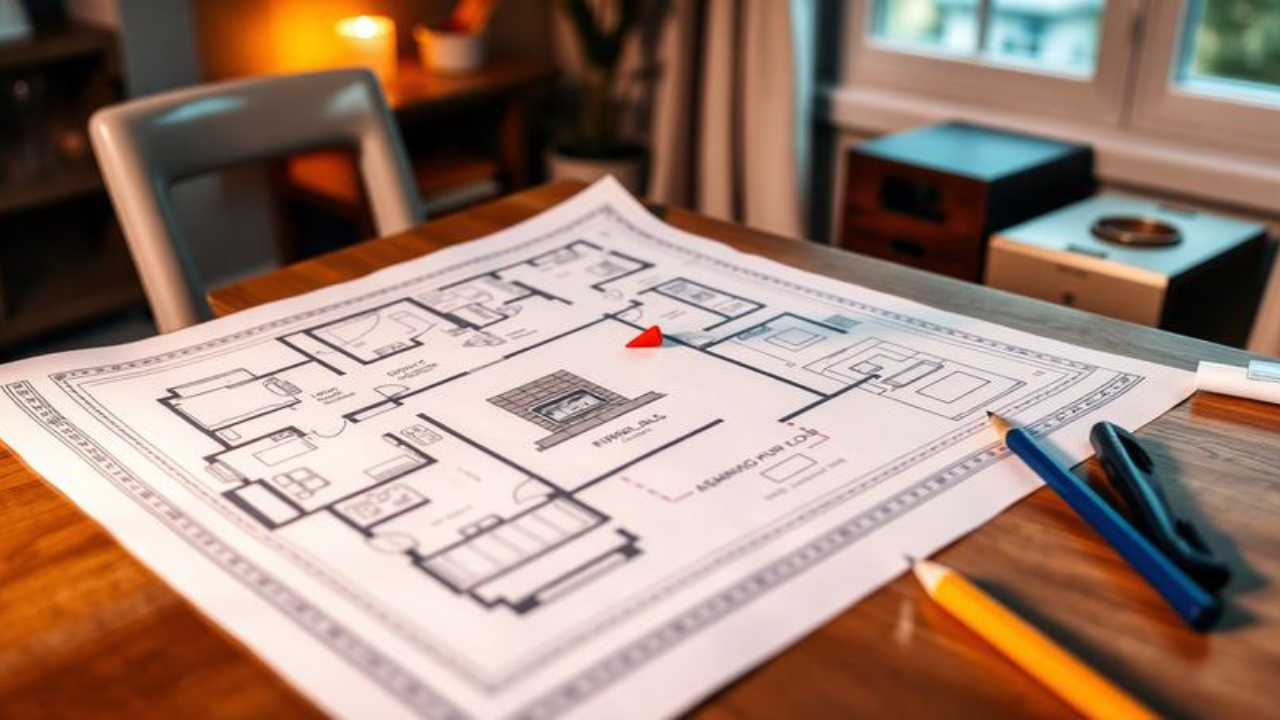
Introduction
You’ve got your floor plan roughed out—walls are placed, rooms are sized, and you’re feeling good about the layout. Then you realize: something’s missing. That warm, inviting heart of the home that makes a space feel complete. You want to add a fireplace, but how do you actually draw it on your plan? And more importantly, how do you make sure it doesn’t ruin the flow of the room?
Drawing a fireplace on a floor plan seems simple enough—just a rectangle with a chimney, right? But get it wrong, and you’ll end up with awkward furniture arrangements, blocked traffic flow, or a feature that feels more like an obstacle than an asset. Many homeowners and even some designers discover too late that their fireplace placement creates more problems than it solves.
This article delivers everything you need to know about how to draw a fireplace on a floor plan. From choosing the right type and location to mastering the symbols and avoiding costly mistakes, you’ll walk away with practical, step-by-step guidance that transforms your floor plan from basic to beautiful. Whether you’re sketching by hand or using design software, these principles will help you create a fireplace that truly anchors your space.
What Is a Fireplace on a Floor Plan?
Before you put pencil to paper, it helps to understand what you’re actually drawing and why it matters.
A fireplace on a floor plan is more than just a simple graphic—it represents a central element of comfort, style, and functionality. In architectural drawings, the fireplace symbol communicates to builders, contractors, and anyone reading the plan exactly where the hearth will go, what type of fireplace it is, and how it integrates with the rest of the space.
Typically, a fireplace is depicted as a rectangle with a small triangle or arc above it, indicating the chimney or flue. This simple symbol helps both the designer and the homeowner visualize the placement and design of the fireplace within the living space.
Basic Components to Include
When drawing a fireplace on your floor plan, you need to represent several key elements:
-
The firebox – The actual opening where the fire burns. This is the main rectangular shape you’ll draw.
-
The hearth – The floor area extending in front of the fireplace, typically drawn as a rectangle protruding from the firebox.
-
The chimney/flue – Shown as a smaller rectangle or shape extending upward from the firebox, often with a triangle or arc symbol.
-
The mantel – Optional but often included as a decorative element above the firebox.
Why Getting It Right Matters
The fireplace often serves as the focal point of a room, bringing warmth, coziness, and an inviting atmosphere. A well-placed fireplace can enhance the overall flow of the space, creating a natural gathering spot for family and friends. In contrast, an awkwardly positioned fireplace may disrupt the layout and make the room feel less functional.
In larger homes, fireplaces naturally anchor the seating area. n small rooms, they often compete with doors, windows, and media equipment. That’s why understanding how to draw and position a fireplace correctly is essential—it’s not just about aesthetics but about making the whole room work.
Step-by-Step Guide: How to Draw a Fireplace on a Floor Plan
Now let’s get into the actual process. Follow these seven steps to draw a fireplace that’s accurate, functional, and visually appealing.
Step 1: Gather Your Tools
Before you start drawing, make sure you have the right tools on hand:
-
For hand drawing: Graph paper, a sharp pencil, a ruler, and an eraser
-
For digital drawing: Floor plan software like Coohom, AutoCAD, or any CAD program with a fireplace library
If you’re using software, look for fireplace features in the 3D library that let you drag and drop fireplace models directly into your layout. This can help you visualize how it will look in the space and make adjustments as needed.
Step 2: Determine the Type of Fireplace
There are several types of fireplaces to choose from, each with different requirements in terms of space and aesthetics:
-
Traditional wood-burning – Requires a chimney, significant clearance (typically 36 inches from combustible materials), and a hearth extending at least 16 inches in front. The chimney needs to extend at least 3 feet above the roofline.
-
Gas fireplace – More flexible in placement, often vented through an exterior wall rather than requiring a full chimney.
-
Electric fireplace – The most flexible option; can be placed almost anywhere without venting requirements.
-
Double-sided fireplace – A central structure that opens into two rooms, with flues going up on both sides.
Choose the type that best fits your space, budget, and design vision. Your choice will affect everything from clearance requirements to the symbols you’ll use on your plan.
Step 3: Choose the Location
This is arguably the most important decision you’ll make. The fireplace should be placed where it can serve as the focal point of the room while maintaining good traffic flow. Common locations include:
-
Living room or family room – The most traditional placement
-
Between two rooms – A double-sided fireplace can connect a living room and dining area or a master bedroom and sitting room
-
On a long run of wall – Fireplaces are best located on a long wall where they can anchor the space
Key considerations for placement:
-
Ensure enough clearance around the fireplace for safety and accessibility
-
Account for ventilation if you’re incorporating a gas or wood-burning fireplace
-
Consider how the fireplace will interact with seating arrangements and traffic flow
-
Avoid corner placements if possible—they make furniture layout very difficult
Step 4: Determine the Dimensions
Before you draw, you need to know how big your fireplace will be. While dimensions vary based on design preferences and room scale, here are some standard measurements to guide you:
| Component | Typical Dimension |
|---|---|
| Fireplace width | 36 inches (standard) |
| Fireplace height | 30 inches (standard) |
| Hearth depth (front) | Minimum 16 inches |
| Hearth width (sides) | 8 inches minimum on each side |
| Clearance from combustibles | 36 inches minimum from front |
| Seating distance | At least 8 feet from the fireplace |
Mark these dimensions clearly on your floor plan. For a wood-burning fireplace, you’ll also need to account for the chimney’s placement and how it affects the overall flow of your space.
Step 5: Sketch the Outline
Now it’s time to put pencil to paper (or cursor to screen).
For hand drawing:
-
Use your ruler to draw the main rectangular shape of the firebox at your chosen dimensions
-
Add the hearth as a rectangle extending outward from the front of the firebox
-
Draw the chimney as a smaller rectangle extending upward from the firebox
-
Add the triangle or arc symbol above the chimney to indicate the flue
For digital drawing:
-
Select the fireplace tool or browse the library for fireplace models
-
Drag and drop the fireplace into your layout
-
Adjust the size and position as needed
-
The software will typically handle the symbol automatically
Remember to use a pencil rather than pen if you’re working by hand—you’ll likely need to make adjustments as you refine your design.
Step 6: Add Details and Annotations
A basic outline isn’t enough for a professional floor plan. Add details that communicate your vision clearly:
-
Indicate materials – Shade or label areas to show brick, stone, or tile
-
Sketch the mantel – Add any decorative elements you plan to include
-
Add notes – Include specifications like “stone veneer,” “gas insert,” or “custom mantel”
-
Show furniture – Sketch in seating to ensure the layout works
Adding these details makes it easier for builders and contractors to understand your vision and provides clear communication for everyone involved in the project.
Step 7: Test the Furniture Arrangement
Before finalizing your fireplace drawing, take a moment to arrange furniture around it. This step is crucial for catching problems before they become permanent.
-
Orient seating toward the fireplace for optimal comfort and warmth
-
Create a cozy nook by placing chairs or a sofa close to the fireplace
-
Ensure easy movement around the room—nothing should block walking paths
-
Consider flexible arrangements instead of rigid symmetry
The most common mistake is forcing every piece of furniture to face the fireplace, which often blocks traffic flow and makes the room feel cramped. Sometimes the best approach is treating the fireplace as part of the layout rather than letting it control everything.
Common Mistakes to Avoid
Even experienced designers make mistakes with fireplace placement. Here are the most common pitfalls and how to avoid them.
Mistake 1: Overvaluing Symmetry
Many people make the classic mistake of chasing symmetry—surrounding the fireplace with matching seating and ignoring real-life traffic flow. The result? Oversized chairs block passageways and make every gathering feel like a tactical maneuver.
Fix: Focus on balance rather than symmetry. Balance the negative and positive space, and consider the visual weight of objects. A slightly off-center arrangement that works for traffic flow is better than a perfectly symmetrical one that doesn’t function.
Mistake 2: Blocking Traffic Flow
Blocking walking paths is the most common mistake in fireplace layouts. Forcing a sofa to face the fireplace in a shallow room usually shrinks the space visually and blocks circulation.
Fix: Create open sightlines and minimize obstructions near doorways. If your fireplace layout makes the room feel boxed in or interrupts foot traffic, it’s time for a rethink.
Mistake 3: Ignoring Clearance Requirements
The clearance rule is the one most people underestimate. Six hundred millimeters (about 24 inches) looks generous on a plan but feels tight in a room. For wood-burning fireplaces, you need a minimum clearance of 36 inches from the front of the unit to any combustible materials.
Fix: Always check local building codes and regulations. When in doubt, add extra clearance—you can always adjust the plan later.
Mistake 4: Putting the TV Above the Fireplace
Placing a TV above the fireplace is one of the biggest fireplace mistakes designers see. It interrupts the fireplace’s focal point and often places the TV at an uncomfortable viewing height.
Fix: Consider shifting the seating axis instead of stacking both focal points. If you must have a TV in the room, place it to the side of the fireplace or on a different wall entirely.
Mistake 5: Choosing the Wrong Location
Corner fireplaces make laying out furniture very difficult. And a fireplace that’s off-center to how the room will actually live is a huge mistake.
Fix: Place the fireplace on a long run of wall where it can serve as a natural anchor. Consider how the room will actually be used, not just how it looks on paper.
Mistake 6: Forgetting About Furniture Placement
Many people finalize their fireplace plan without testing furniture arrangements. This leads to awkward layouts where seating doesn’t work or the fireplace feels disconnected from the rest of the room.
Fix: Always sketch furniture on your floor plan before finalizing the fireplace location. This helps you visualize traffic patterns and ensure the layout functions in real life.
Frequently Asked Questions
Q: What does the fireplace symbol look like on a floor plan?
Typically, a fireplace is depicted as a rectangle with a small triangle or arc above it, indicating the chimney or flue. The symbol represents both the location and type of fireplace to be installed. Some plans may include additional details like shading to indicate materials or notes to specify the fireplace type.
Q: How do I know where to place the chimney?
The chimney should be placed where it can vent smoke outside efficiently. For wood-burning fireplaces, the chimney typically needs to extend at least 3 feet above the roofline and 2 feet higher than any structure within 10 feet of it. Consider the chimney’s placement carefully, as it will affect the overall flow of your space.
Q: Can I design a fireplace in a small room?
Yes! Opt for a smaller model or a wall-mounted electric fireplace to save space while still providing warmth and ambiance. In small rooms, focus on visual weight rather than furniture count, and consider treating the fireplace as secondary rather than the focal point. The key is choosing the right type and placement for your specific space.
Q: What clearance do I need around a fireplace?
For a wood-burning fireplace, you need a minimum clearance of 36 inches from the front of the unit to any combustible materials. The hearth should extend at least 16 inches in front of the opening and 8 inches on either side. Seating should be at least 8 feet away from the fireplace for safety. Always check local building codes, as requirements can vary significantly by location.
Q: Should I use hand drawing or software for my fireplace floor plan?
Both methods work well. Hand drawing with graph paper, a pencil, and a ruler is accessible and allows for quick adjustments. Software like Coohom offers advantages like 3D visualization, a library of fireplace models, and the ability to experiment with different styles and placements in a virtual environment. Choose the method that best fits your skill level and project needs.
Conclusion
Drawing a fireplace on a floor plan is about more than just adding a functional feature to your design—it’s about creating a warm and inviting atmosphere that enhances the overall aesthetic of your home. A well-designed fireplace anchors the room, provides a natural gathering spot, and adds significant value to your space.
The key to success lies in careful planning: choosing the right type of fireplace for your needs, selecting a location that works with your traffic flow, getting the dimensions right, and testing your furniture arrangement before finalizing the plan. Avoid the common mistakes of chasing symmetry at the expense of function, blocking walking paths, or ignoring clearance requirements.
Remember, the best fireplace layouts are those that balance aesthetics with practicality. They invite you in rather than creating obstacles, and they make the room feel complete rather than forced.
Ready to start designing your dream space? Check out our article on how to create a functional living room layout for more tips on arranging furniture around your new fireplace. And don’t forget to subscribe to our newsletter for weekly design insights delivered straight to your inbox.