
 By Richard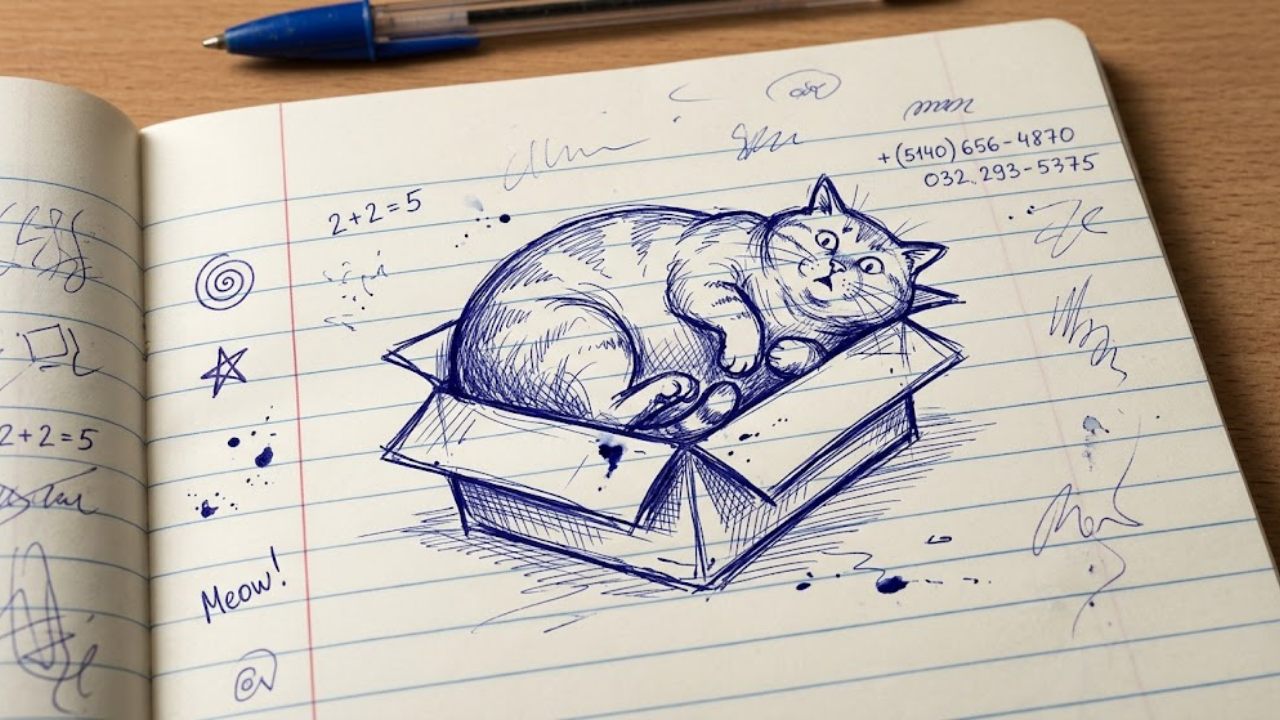
Introduction
Did you know that spontaneous drawing can increase your memory retention by nearly 29 percent? A landmark study published by psychologist Jackie Andrade in the journal Applied Cognitive Psychology revealed that people who doodle while processing information retain far more details than those who sit still. Adding humor amplifies this effect by triggering dopamine release, transforming a blank margin into a playground for mental clarity and stress relief.
Learning how to draw funny doodles allows you to break free from the pressure of creating polished fine art. Whether you are searching for funny doodles easy enough to sketch during a short coffee break, humorous visual concepts for sticky notes, or witty comic panels to share with coworkers, this guide provides the foundational techniques you need. You will discover practical visual prompts, character expression formulas, and concrete methods to develop your unique comic style without needing years of formal illustration training.
Table of Contents
-
What Are Funny Doodles?
-
The Surprising History and Evolution of Humorous Doodling
-
Key Varieties and Popular Types of Funny Doodles
-
The Proven Benefits: Why Doodling with Humor Matters
-
How to Draw Funny Doodles: A Complete Step-by-Step Tutorial
-
Common Myths vs. Facts About Doodling
-
Expert Tips and Best Practices for Expressive Art
-
Frequently Asked Questions About Funny Doodling
-
Final Thoughts on Finding Joy in Everyday Sketches
What Are Funny Doodles?
A funny doodle is a spontaneous, informal illustration designed to evoke amusement, irony, or lighthearted joy through simplified lines, unexpected visual juxtapositions, and exaggerated features. Unlike technical figure drawings or realistic still-life studies, humorous doodles prioritize emotional delivery and comedic timing over precise anatomical proportions or perspective accuracy.
At its core, a funny doodle combines the casual freedom of uninhibited mark-making with foundational cartooning principles. You might draw an inanimate object—such as a piece of toast or an anxious coffee mug—and give it expressive, wide eyes, spindly arms, and a dramatic facial expression. This anthropomorphic transformation immediately creates a relatable narrative that makes viewers smile.
The beauty of humorous sketching lies in its total accessibility. You do not need expensive Bristol board or high-grade drafting tools; a plain ballpoint pen and the corner of an envelope work perfectly. When you doodle with a comedic goal, perfection ceases to be the objective. In fact, asymmetrical shapes, wobbly contours, and quirky proportions often enhance the comedic impact of the character.
Humorous sketches communicate ideas rapidly. In modern digital communication, quick visual gags often replace paragraphs of explanatory text. By mastering basic facial shorthand and playful line dynamics, you can capture complex human emotions, ironic workplace situations, or silly everyday mishaps within seconds.
beginner sketchbook ideas and exercises
The Surprising History and Evolution of Humorous Doodling
The term “doodle” originally appeared in the early 17th century, derived from the Low German word dudeltopf, meaning a simpleton, fool, or dawdler. For centuries, doodling carried a negative connotation, implying that the drawer was wasting time, daydreaming, or failing to pay attention to serious business.
However, visual humor in the margins has a long, prestigious lineage:
-
Medieval Marginalia (Drolleries): During the 13th and 14th centuries, monastic scribes illuminating manuscripts regularly covered margins with absurd, hilarious drawings known as drolleries. These included jousting snails, rabbits riding hounds, and hybrid creatures playing bagpipes. Scribes used these humorous vignettes to insert satire and relieve the monotony of copying religious texts.
-
Presidential Desk Scraps: Several world leaders were prolific comedic doodlers. United States President Theodore Roosevelt drew eccentric animal caricatures in committee notes, while John F. Kennedy frequently sketched dominoes and whimsical marine shapes during high-stakes briefings.
-
The Golden Age of Newspaper Cartoons: In the early 20th century, illustrators like Rube Goldberg popularized overly complex, comedic mechanical contraptions drawn with loose, spontaneous line work. This era established the visual language of visual irony that modern doodle artists use today.
-
Internet Meme Culture and Webcomics: The rise of digital platforms transformed casual doodles into viral sensations. Artists turned simple four-panel stick-figure drawings into globally recognized webcomics, proving that raw humor resonates far more than painterly polish.
Today, platforms like Instagram and Pinterest have elevated humorous sketching into a celebrated visual genre. Modern audiences crave authenticity, and simple, hand-drawn humor provides a refreshing contrast to overly manufactured digital graphics.
Key Varieties and Popular Types of Funny Doodles
Humorous sketches span a wide spectrum of styles, subjects, and complexity levels. Understanding these distinct categories helps you select the right style for your sketchbook, bullet journal, or greeting cards.
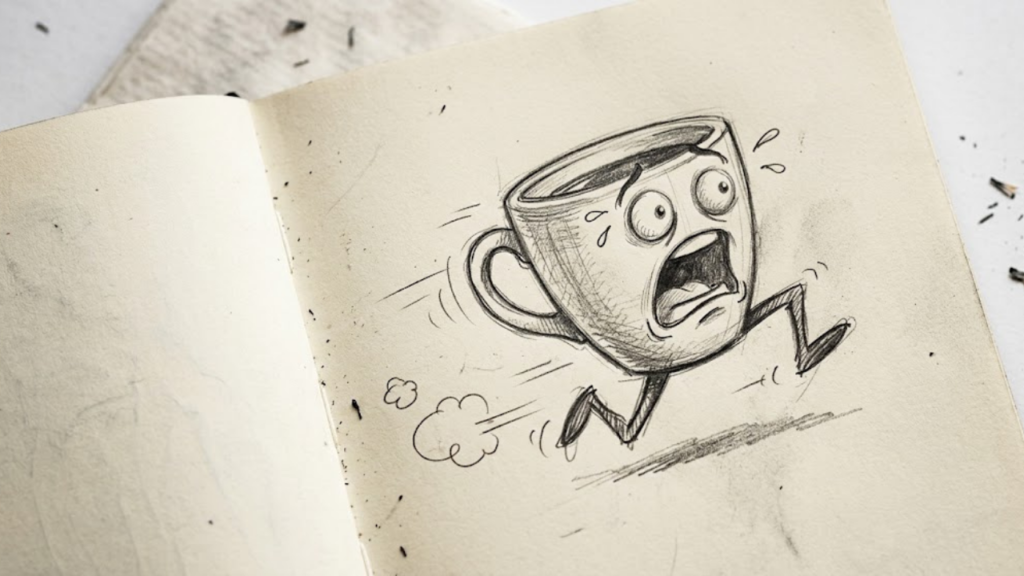
1. Anthropomorphic Inanimate Objects
Giving human characteristics to everyday objects is one of the most reliable methods for generating a quick laugh. Common prompts include:
-
A stressed avocado contemplating its fleeting window of ripeness.
-
A cheerful battery celebrating being fully charged while a grumpy phone sits beside it at one percent.
-
A running shoe gasping for breath while lying untied on the floor.
2. Expressive Animals and Quirky Pets
Animals provide natural comedic opportunities due to their expressive body language and relatable behaviors:
-
Cats caught in bizarre, liquid-like sleeping positions on tiny surfaces.
-
Pugs or bulldogs displaying hyper-dramatic reactions to tiny bath bubbles.
-
Birds wearing tiny, inappropriate human accessories like top hats, monocles, or oversized sneakers.
Funny Doodles – Doodle Unlimited
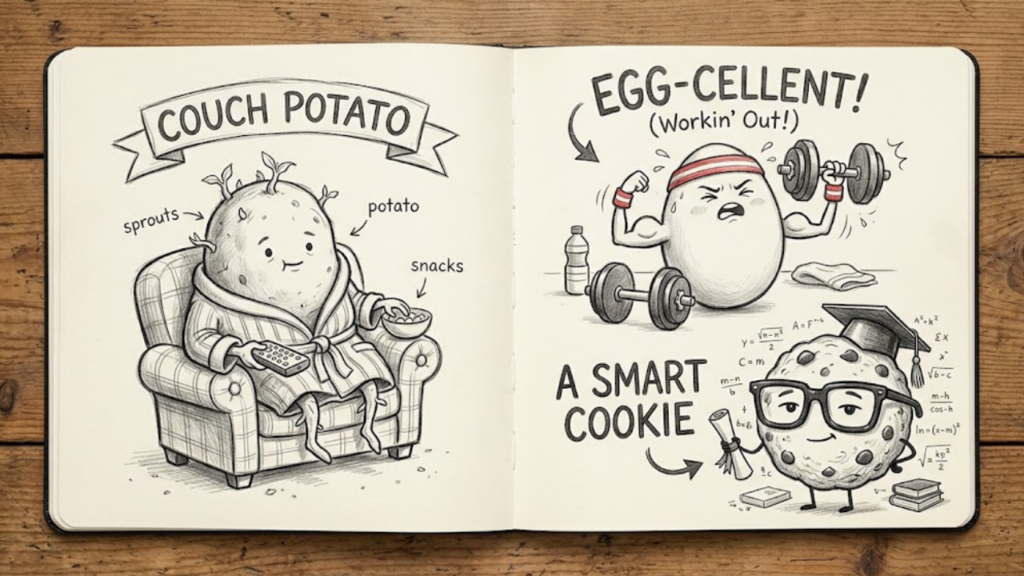
3. Visual Puns and Wordplay Sketches
Visual puns translate figures of speech into literal illustrations:
-
A literal “couch potato” complete with sprouts, sitting with a remote control.
-
An “egg-cellent” egg lifting heavy dumbbells in sweatbands.
-
A “smart cookie” wearing thick horn-rimmed glasses and holding a tiny graduation diploma.
Funny Doodles – doodle unlimited
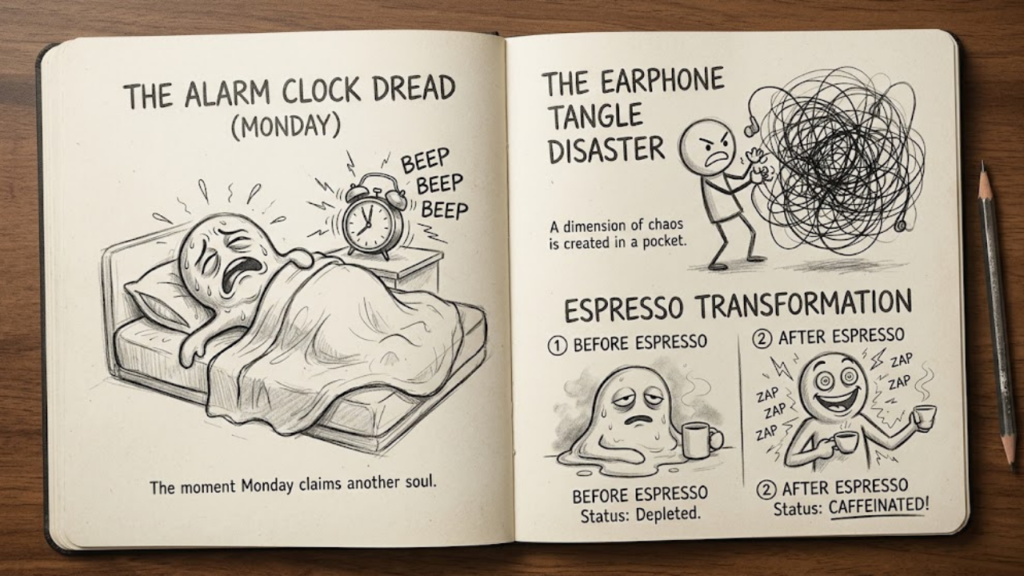
4. Relatable Human Caricatures
Capturing universal human moments through simplified stick figures or blob characters allows readers to laugh at everyday modern realities:
-
The existential dread of hearing an alarm clock go off on Monday morning.
-
The tangled disaster of wired earphones pulled from a pocket.
-
The physical transformation of a person before and after drinking their morning espresso.
The Proven Benefits: Why Doodling with Humor Matters
Doodling is far more than an idle pastime; it is an active cognitive tool that provides significant psychological, neurological, and emotional benefits.
Enhanced Cognitive Processing and Memory Retention
Research from neuroscientists demonstrates that spontaneous sketching prevents the brain from entering default mode network activity, which is where daydreaming and loss of focus occur. By engaging your motor cortex and visual processing centers simultaneously, doodling maintains an optimal state of cognitive arousal without causing cognitive overload.
Meaningful Stress Reduction and Cortisol Management
A study published in Art Therapy: Journal of the American Art Therapy Association found that just 45 minutes of creative mark-making significantly lowered cortisol levels in 75 percent of participants, regardless of their prior artistic experience. Integrating humor into your drawings releases endorphins, effectively defusing tension after stressful meetings or study sessions.
Low-Stakes Creative Confidence
Many adults avoid drawing due to an ingrained fear of making mistakes. Because humorous sketching embraces imperfections, wobbles, and asymmetrical shapes as part of the visual charm, it eliminates performance anxiety. This low-stakes environment builds fine-motor coordination and creative problem-solving skills that translate into other visual pursuits.
How to Draw Funny Doodles: A Complete Step-by-Step Tutorial
Creating funny doodles does not require advanced technical skill. By breaking characters down into basic geometric primitives and applying exaggerated facial expressions, you can construct witty illustrations in minutes. Follow this step-by-step method to draw a classic comedic character: the Overwhelmed Coffee Cup.
Step 1: Draw the Basic Geometric Body Shape
Begin with a simple trapezoid or cylinder. Keep your lines loose and curved rather than stiffly ruler-straight. An asymmetrical, slightly leaning cup immediately suggests motion and character instability, which sets up the visual joke.
Step 2: Add Contextual Details and Props
Draw the rim of the mug with an ellipse, adding a wavy, sloshing line inside to represent coffee threatening to spill over the edge. Attach an oversized, looping handle on one side. Adding tiny droplets flying off the rim introduces dynamic energy and comedic urgency.
Step 3: Construct the Exaggerated Facial Expression
The face dictates the entire humor of the drawing. For an overwhelmed expression:
-
Draw two mismatched circular eyes—make one significantly larger than the other.
-
Place small black pupils looking in slightly different directions (wall-eyed or cross-eyed).
-
Draw high, angled eyebrow lines hovering completely off the forehead.
-
Add an open, wobbly oval mouth with a tiny tongue sticking out to convey panic.
Step 4: Attach Gestural Comic Limbs
Use simple single-line stick limbs with exaggerated poses. Draw spindly arms clutching the sides of the “face” in distress, or have the mug sprinting on tiny, bent legs with motion dust clouds billowing behind it.
Step 5: Incorporate Dialogue and Sound Effects
Anchor the visual joke with a short speech bubble or sound effect (e.g., “Running on empty!” or “Too much caffeine!”). Lettering should reflect the emotion: use jagged, trembling strokes for panicked dialogue or bold, bubbly letters for upbeat punchlines.
Common Myths vs. Facts About Doodling
Misconceptions about sketching often discourage beginners from picking up a pen. Let us clarify the reality behind everyday doodling:
-
Myth: Doodling means you are distracted and not paying attention.
Fact: Brain-imaging studies confirm that doodling anchors executive cognitive focus, preventing mental drift during auditory lectures and complex phone calls. -
Myth: You need natural artistic talent to make entertaining doodles.
Fact: Comic timing and relatability matter far more than technical drawing skills. Simple geometric figures with genuine expressions consistently outperform technically complex, humorless drawings. -
Myth: Serious professionals should never doodle in work notebooks.
Fact: Many design consultancies and technology leaders explicitly use visual scribing and rapid cartoon sketching to brainstorm user flows and clarify software architectures.
Expert Tips and Best Practices for Expressive Art
To take your comic sketching to the next level, apply these practical cartooning techniques:
-
Exaggerate the Silhouette: Push proportions to extremes. If a character is sleepy, make the eyelids droop halfway down the entire face. If a character is shocked, pop the eyes entirely outside the head contour.
-
Vary Line Weights: Use a bold, thick marker for the outer contour and a fine fineliner pen for interior facial expressions. This contrast makes your doodles stand out cleanly on the page.
-
Add Drops, Sweat Beads, and Motion Lines: Small graphical accents carry enormous emotional weight. Three curved lines behind a running character communicate speed, while a single oversized sweat drop beside a temple signals nervous embarrassment.
-
Keep a Dedicated Idea Log: Funny situations occur throughout the day. Keep a pocket notebook or mobile memo list of funny phrases, awkward encounters, or weird sights so you always have drawing prompts ready.
[The Cognitive Power of Doodling]
Frequently Asked Questions About Funny Doodling
What should a 12 year old draw when bored?
A 12-year-old can draw mashups of everyday items and favorite animals, such as a skateboarding slice of pizza, a cat wearing an astronaut helmet fishing in a fishbowl, or a battle between school stationery supplies. Visual puns, custom comic strips detailing funny sibling moments, and funny monsters made out of random ink blots provide immediate creative stimulation without requiring rigid artistic rules.
Is doodling an ADHD thing?
While doodling is practiced by all neurotypes, it is particularly beneficial for individuals with ADHD. Doodling acts as a healthy fidget mechanism, stimulating the brain’s alertness networks without overburdening working memory. This mild motor activity helps people with attention regulation challenges channel excess physical energy and stay anchored during seated listening tasks.
How do you make a simple kiss doodle?
To draw a simple, humorous kiss doodle:
-
Draw two side-profile faces facing each other using simple “C” shapes or rounded squares.
-
Overlap their mouths with puckered, sideways “3” shapes pressed tightly together.
-
Add closed, curved “U” lines for happy, squinting eyes with tiny blush lines across their cheeks.
-
Draw floating, vibrating hearts and zigzag sound effects above them to amplify the comedic affection.
What are some easy funny things to draw for beginners?
Beginners can start with anthropomorphic breakfast foods (e.g., an egg lifting bacon weights), funny vegetable faces (e.g., a screaming carrot being peeled), or blob creatures with mismatched eyeballs. These subjects rely entirely on basic circles, rectangles, and expressive facial lines, requiring zero perspective or shading mastery.
How can I make my doodles look funnier without improving my drawing skills?
Focus on dramatic contrasts and relatable context. Place tiny, innocent faces on massive, imposing objects, or write deadpan captions beneath overly dramatic character expressions. Visual irony—where the text directly contradicts what the drawing portrays—creates humor instantly without requiring fine-line illustration skills.
Final Thoughts on Finding Joy in Everyday Sketches
Drawing funny doodles transforms a blank sheet of paper into a personal source of entertainment, stress relief, and cognitive clarity. By stripping away the intimidating expectations of fine art and focusing purely on humor, character, and playful storytelling, anyone can pick up a pen and create compelling sketches.
Start small: grab a sticky note, pick an inanimate object near your desk, give it a pair of mismatched eyes and an expressive mouth, and let yourself enjoy the simple pleasure of spontaneous sketching.
Share Your Creative Work!
Which funny doodle concept from this guide will you try first? Leave a comment below sharing your favorite character idea, share this post with your drawing groups, or check out our related guides to expand your visual storytelling skills!