
 By Mubashir Abbasi
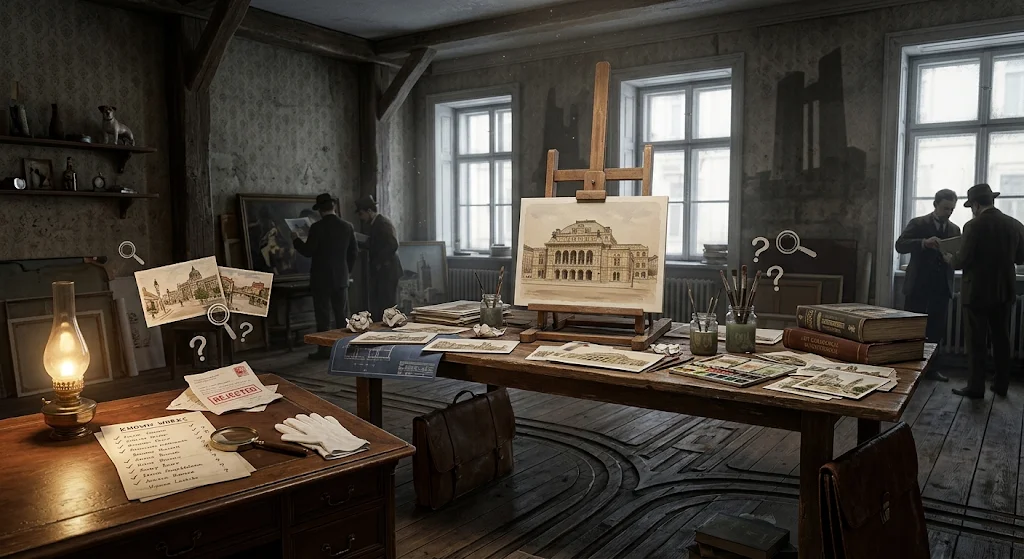
Hitler Paintings: The Complete Guide to His Art
Did you know the man who led Nazi Germany once tried to become a professional painter? Hitler paintings are one of history’s strangest footnotes, and they get searched far more than most people expect. Many readers assume he must have been a gifted artist, but the real story is more surprising and far less flattering.
In this guide, you’ll learn why Hitler paintings were turned away by Vienna’s top art school, what his best-known work looks like, and how his style compares to other artists of his era. You’ll also get a clear list of his known subjects and honest answers about prices, auctions, and the popular questions people type into Google, including people, castles, and dogs. No hype, just the facts. Let’s dig in.
Table of Contents
- What Are Hitler Paintings?
- Why Hitler Paintings Matter: Key Reasons
- Hitler Paintings: Key Facts and Types
- How to Research Hitler Paintings
- Common Mistakes and Myths About Hitler Paintings
- Expert Tips for Best Results
- Frequently Asked Questions
What Are Hitler Paintings?
Hitler paintings are the watercolors and oil works that Adolf Hitler produced mainly while living in Vienna, roughly between 1908 and 1914. Most show landscapes and architectural scenes, such as streets, churches, palaces, and public buildings. Estimates of how many he made vary widely, because many were sold privately and never catalogued.
Think of them like a sketchbook habit that turned into a side hustle. He painted small, often postcard-sized scenes and sold copies to earn a living. These works matter less for their artistic quality and more for what they reveal about how a future dictator saw the world. Looking at them, you can see his fascination with grand, monumental buildings, a theme that later showed up in his plans for Germany.
Why Hitler Paintings Matter: Key Reasons
Hitler paintings may look like a minor curiosity, but they offer real insight. Here’s why they deserve your attention:
- They mark a turning point. Historians often connect his rejection from art school to the bitterness that later shaped his political views. Your understanding of his path gets sharper when you see where his ambitions first met failure.
- They reveal his worldview. His focus on grand architecture points to the monumental style he later wanted for Nazi-era building projects.
- They show the power of documentation. Because authentic works and forgeries circulate together, you learn to check sources carefully.
- They offer a case study in art markets. Prices depend heavily on provenance, meaning the documented ownership history of a piece.
- They provide historical context. Vienna around 1910 was a vibrant city, and these scenes capture its streets as they looked then.
- The numbers back up the story. Hitler applied to Vienna’s Academy of Fine Arts twice, in 1907 and 1908, and was turned away both times, according to biographer Ian Kershaw in Hitler: 1889–1936 Hubris (1998).
Hitler Paintings: Key Facts and Types
Why Were Hitler’s Paintings Rejected?
The short answer is that the Academy judged his work as not good enough for admission to its painting program. Assessors found his drawings of human figures and heads weak, which was a serious problem for a painting student. Some accounts say he was encouraged to consider architecture instead. However, he lacked the secondary school diploma needed to enroll in that program, so his path closed again.
What Was Hitler’s Most Famous Painting?
There’s no single universally agreed “most famous” Hitler painting. The works most often cited are his Vienna cityscapes, including watercolor views of major landmarks such as the Vienna State Opera. Always check the source before accepting any claim, because many images circulating online are misattributed.
Hitler’s Painting Style
His style was realistic, precise, and traditional. He favored careful perspective, clean outlines, and accurate depictions of buildings. Rather than following modern movements like Impressionism or the Vienna Secession, he stuck to a conservative academic approach that prized technical detail over emotion.
Hitler Paintings of People, Castles, and Dogs
Here’s a quick breakdown of the subjects people search for most:
| Subject | What You Should Know |
|---|---|
| Architecture and cityscapes | The most common subject in his known work |
| Castles and palaces | Frequent, especially grand buildings and palace-like structures |
| People | Rare, and human figures are often small or weakly drawn |
| Dogs | No widely documented, verified dog paintings are known |
No complete, authoritative catalogue of his paintings exists. Be cautious with lists online, since they often mix authentic works with fakes.
How to Research Hitler Paintings
If you’re looking into a specific piece, follow these steps to protect yourself from fakes and bad information:
- Start with provenance. Ask where the work came from and who owned it over time. A clear, documented ownership history is the strongest signal of authenticity. For background on the historical Jackrabbit Design: A Simple Guide for 2026 context, try a reliable reference like.
- Check reputable catalogues and archives. Look for museum records, scholarly books, and established art reference sources. These are more trustworthy than random lists on social media.
- Compare the work with documented examples. Study the style, brushwork, and subject matter of verified pieces. Look for inconsistencies that suggest a later copy or imitation.
- Examine the signature carefully. Signatures can be copied easily, so never rely on a signature alone. Compare it with confirmed examples and consider technical analysis.
- Get an independent appraisal. Work with a qualified appraiser who has experience with twentieth-century German art. Their written report can support sales, insurance, and research.
- Check local laws before buying or selling. Rules around Nazi-related items vary by country, so verify the legal requirements where you live. A short consultation with a lawyer or auction house can save you trouble.
Common Mistakes and Myths About Hitler Paintings
Myth: Hitler was a talented artist. The truth is that the Academy rejected him twice, and his figure drawing was widely judged as weak. His skill was competent but conventional.
Myth: Every Hitler painting is valuable. Value depends on subject, size, condition, and provenance. Many works sell for modest sums, and unverified pieces may be worth very little.
Myth: A signature proves authenticity. Signatures are easy to forge, so a signature alone tells you almost nothing. Look for documented history and expert analysis instead.
Myth: He painted dogs and portraits all the time. His known work leans heavily toward buildings and landscapes. Dog paintings are not a well-documented part of his output.
Mistake: Trusting random online lists. Many lists mix real works with fakes and guesses. Verify each claim with a reliable source before you share or buy anything.
Expert Tips for Best Results
- Begin with the historical record. Reading about Vienna in the early 1900s makes the paintings easier to understand.
- Use reverse image searches carefully. They can reveal where a picture has appeared, but confirm the original source before trusting the result.
- Set a realistic budget. Prices vary enormously, so decide what you can afford before you start looking at auction lots.
- Ask for condition reports. A detailed condition report reveals damage, restoration, and other factors that affect value.
- Keep records of everything. Save receipts, emails, catalogues, and appraisals. Good documentation protects your investment and your research.
Frequently Asked Questions
How much do Hitler paintings cost?
Hitler paintings cost very different amounts depending on the subject, size, medium, condition, and documented history. Smaller watercolors generally sell for far less than larger, well-documented works. Reported auction results vary widely, so look at recent sale records from reputable auction houses. Treat any seller who promises a bargain with caution, since forgeries are common.
Why was Hitler rejected from art school?
Hitler was rejected from Vienna’s Academy of Fine Arts in 1907 and again in 1908. Admissions assessors judged his drawings, especially of human figures and heads, as insufficient. He was also unable to enroll in the architecture program because he lacked the required secondary school diploma. These setbacks are often cited by historians as an important part of his early life story.
Are Hitler paintings sold at auction?
Yes, Hitler paintings have appeared at auction over the years, though sales and their legal status depend on the country and the work’s history. Reputable auction houses research provenance carefully before listing a piece. If you’re interested in bidding, read the catalogue notes closely, request a condition report, and confirm local rules before you commit.
Conclusion
Hitler paintings offer a surprising window into history. Here are the three most important points to remember:
- His rejection from art school is central to understanding his early life.
- His style and subjects were conventional, focused on buildings, and rarely included people or dogs.
- Authenticity and provenance matter most when you research, buy, or sell any piece.
Start today by reviewing a trusted reference and checking the documented history of any work you’re curious about. Verifying before you trust is the smartest move you can make. Which part of Hitler’s art history surprised you the most? Share your thoughts in the comments below.