
 By Mubashir Abbasi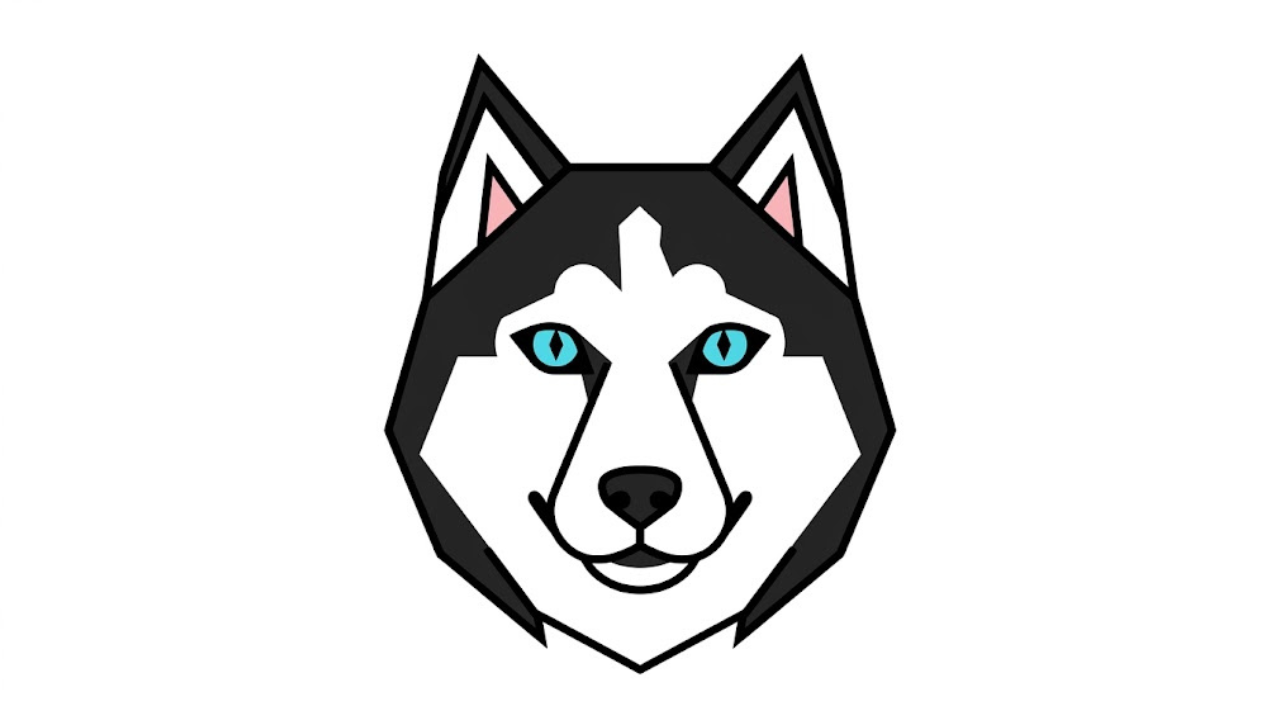
Introduction
Have you ever wondered why husky drawing tutorials are among the most searched animal art guides online? With their striking blue eyes, distinctive facial markings, and fluffy coats, Siberian Huskies have become one of the most popular subjects for artists of all skill levels. Whether you’re a beginner looking for a husky drawing easy approach or an experienced artist aiming for realistic husky drawing techniques, mastering this breed opens endless creative possibilities.
In this comprehensive guide, you’ll discover everything about husky drawing—from understanding the breed’s unique features to step-by-step tutorials for creating cute husky drawing sketches and realistic husky face portraits. You’ll learn professional pencil techniques, color application methods, and common mistakes to avoid. By the end, you’ll have the confidence to create your own stunning husky dog artwork that captures the spirit and beauty of this magnificent breed.
Table of Contents
-
What Is Husky Drawing?
-
History and Background of Husky Art
-
Key Features and Types of Husky Drawings
-
Why Husky Drawing Matters for Artists
-
How to Draw a Husky: Step-by-Step Tutorial
-
Common Myths vs Facts About Husky Drawing
-
Expert Tips and Best Practices
-
Frequently Asked Questions
-
Final Verdict: Your Husky Drawing Journey
What Is Husky Drawing?
Husky drawing refers to the artistic practice of sketching, illustrating, or rendering Siberian Huskies—a breed known for its wolf-like appearance, piercing eyes, and thick double coat. This art form encompasses various styles, from simple cute husky drawing cartoons to highly detailed realistic husky drawing portraits that capture every strand of fur.
At its core, husky drawing combines animal anatomy knowledge with artistic technique. You need to understand the breed’s distinctive proportions: the triangular ears, almond-shaped eyes, strong muzzle, and balanced body structure. Unlike generic dog drawing tutorials, husky drawing requires special attention to facial symmetry and the unique mask-like markings that frame their eyes.
Think of husky drawing like learning to paint a portrait of a person—you’re not just capturing physical features, but also the personality and spirit that makes each husky unique. The breed’s expressive face and alert posture make them particularly rewarding subjects for artists.
Real-world example: A beginner might start with a husky drawing easy tutorial using basic shapes (circles for the head, triangles for ears), while an advanced artist creates a husky drawing pencil piece with intricate shading to show fur texture and depth.
The popularity of husky drawing has surged in recent years, with YouTube tutorials garnering millions of views and Pinterest boards dedicated to husky drawing with colour inspiration filling up rapidly. This trend reflects both the breed’s enduring appeal and the growing community of pet portrait artists worldwide.
History and Background of Husky Art
The Siberian Husky’s journey from working dog to artistic muse is fascinating. Originally bred by the Chukchi people of northeastern Asia over 3,000 years ago, these dogs were essential for sledding, hunting, and companionship in harsh Arctic conditions. Their distinctive appearance—medium-sized, athletic build with thick coats and striking facial markings—made them naturally photogenic and, by extension, popular subjects for artists.
Husky drawing as an art form gained momentum in the early 20th century when the breed was introduced to North America. The 1925 serum run to Nome, Alaska, where husky teams delivered life-saving diphtheria antitoxin, captured public imagination and inspired countless illustrations in newspapers and magazines. This event cemented the husky’s image as a heroic, noble animal worthy of artistic representation.
During the mid-1900s, husky drawing appeared frequently in advertising, particularly for winter sports, outdoor gear, and cold-weather products. Artists were drawn to the breed’s wolf-like features combined with a friendly expression—a unique balance that made them both majestic and approachable in illustrations.
The digital age transformed husky drawing dramatically. Online platforms like DeviantArt, Instagram, and Pinterest became hubs for artists sharing husky drawing easy tutorials, realistic husky face studies, and cute husky drawing variations. According to Pinterest’s 2025 trend report, searches for “husky art” increased by 47% compared to the previous year, with husky drawing pencil and husky drawing with colour being top subcategories.
Today, husky drawing spans multiple styles: realistic pencil portraits, watercolor paintings, digital illustrations, and even cute husky drawing chibi styles popular in anime-inspired art. The breed’s distinctive features make them instantly recognizable, which is why they remain a favorite subject for both hobbyists and professional pet portrait artists.
Key Features and Types of Husky Drawings
Understanding what makes a husky recognizable in art is crucial for creating authentic husky drawing pieces. Let’s break down the essential elements and explore different drawing styles.
Distinctive Physical Features
The Eyes
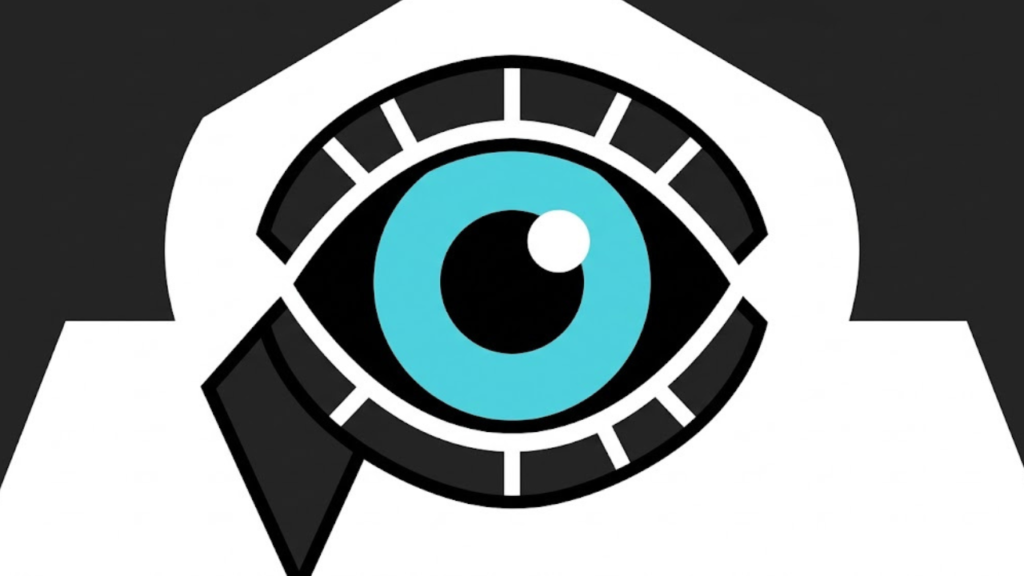
Husky eyes are perhaps their most iconic feature. They’re almond-shaped, slightly oblique, and can be blue, brown, amber, or even heterochromatic (two different colors). In realistic husky face drawings, capturing the intensity and clarity of these eyes is paramount. The eyes should appear alert and intelligent, never droopy or sleepy.
The Ears
Triangular, erect, and positioned high on the head, husky ears are always upright and forward-facing when alert. They’re proportionally smaller than many other breeds, sitting close together on top of the skull. In cute husky drawing styles, artists often exaggerate ear size for added adorableness.
The Facial Mask
Most huskies display a distinctive mask-like pattern around their eyes, created by contrasting fur colors. This mask can be black, gray, or red against white or lighter facial fur. This feature is non-negotiable in authentic husky drawing—it’s what separates them from generic dog drawing tutorials.
The Muzzle and Nose
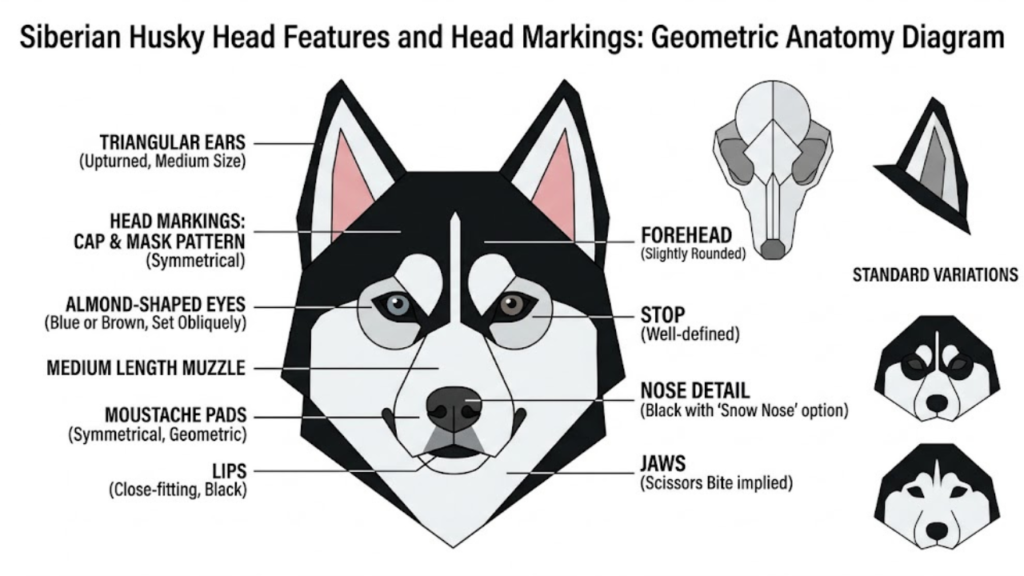
Huskies have a medium-length muzzle that’s neither too long nor too short. The nose is typically black in gray or black huskies, liver-colored in red huskies, and can be pink-streaked in winter (a condition called “snow nose”). In how to draw a husky face realistic tutorials, proper muzzle proportions are emphasized to avoid making the dog look too wolf-like or too pug-like.
The Coat and Fur Texture
The double coat is thick and fluffy, especially around the neck (forming a ruff) and tail. In husky drawing pencil work, artists use layered strokes to show this density. Husky drawing with colour requires understanding how light interacts with different fur colors—grays, blacks, whites, reds, and sables.
Types of Husky Drawing Styles
Realistic Husky Drawing
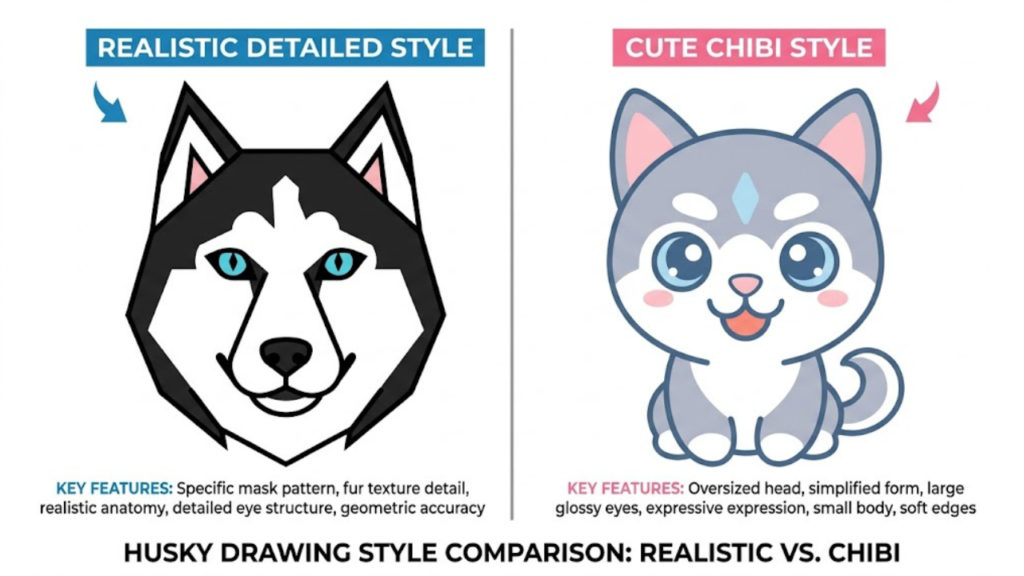
This style focuses on anatomical accuracy, detailed fur texture, and lifelike proportions. Artists use reference photos extensively and employ advanced shading techniques. How to draw a husky face realistic tutorials fall into this category, often requiring 3–10 hours per piece.
Cute Husky Drawing
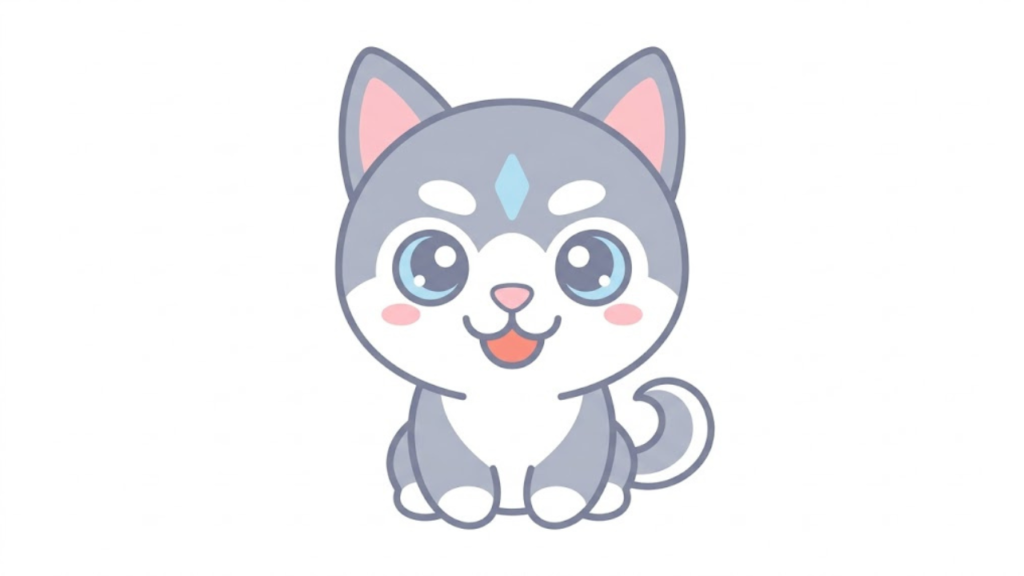
Also known as “chibi” or kawaii style, this approach exaggerates features: larger eyes, smaller body, rounder face. It’s popular for stickers, greeting cards, and social media content. Husky drawing easy tutorials often target this style because it’s forgiving for beginners.
Sketch-Style Husky Drawing
Quick, loose sketches that capture the essence rather than every detail. These are great for practice, gesture drawing, or preliminary studies before a finished piece. Many how to draw a husky video tutorials start with sketch techniques.
Colored Husky Drawing
Using colored pencils, markers, watercolors, or digital tools to add vibrant hues. Husky drawing with colour requires understanding color theory, especially for rendering the breed’s varied coat patterns and eye colors.
Comparison Table: Husky Drawing Styles
Why Husky Drawing Matters for Artists
You might wonder why husky drawing deserves special attention compared to other dog breeds. The answer lies in both artistic challenge and audience demand.
Technical Skill Development
Drawing huskies pushes you to master several fundamental art skills simultaneously. The thick fur teaches you texture rendering and layering techniques. The expressive eyes demand precision in capturing light reflection and emotion. The balanced proportions require understanding of animal anatomy. According to a 2025 survey by ArtStation, 68% of pet portrait artists listed huskies among their top three most-requested breeds, citing the technical challenge as a key reason for their popularity.
Emotional Connection with Viewers
Huskies have a unique ability to convey emotion through their expressions. Their alert ears, intense gaze, and slightly upturned mouth create a naturally engaging presence in artwork. This emotional resonance makes husky drawing pieces highly shareable on social media, where engagement drives visibility and opportunities for artists.
Versatility Across Mediums
Whether you work in pencil, charcoal, watercolor, digital, or mixed media, huskies adapt beautifully. The contrast between their dark markings and light fur creates natural focal points. Husky drawing pencil work shows dramatic value ranges, while husky drawing with colour allows for rich, varied palettes. This versatility means you can explore different mediums without changing subjects.
Market Demand
Pet portraiture is a growing industry, valued at approximately $2.3 billion globally in 2025, according to IBISWorld. Huskies consistently rank in the top 10 most popular dog breeds in the U.S. (AKC rankings), ensuring steady demand for husky drawing commissions. Artists who specialize in this breed can build a recognizable portfolio that attracts dedicated clients.
Community and Learning Resources
The husky drawing community is active and supportive. Online platforms host thousands of tutorials, from husky drawing easy guides for kids to advanced how to draw a husky face realistic masterclasses. This wealth of resources means you’re never stuck—there’s always a new technique to learn or artist to study.
Personal Satisfaction
There’s something deeply rewarding about capturing the spirit of such a noble, beautiful animal. Many artists report that completing a realistic husky drawing feels like a milestone achievement, boosting confidence and motivating further artistic growth.
How to Draw a Husky: Step-by-Step Tutorial
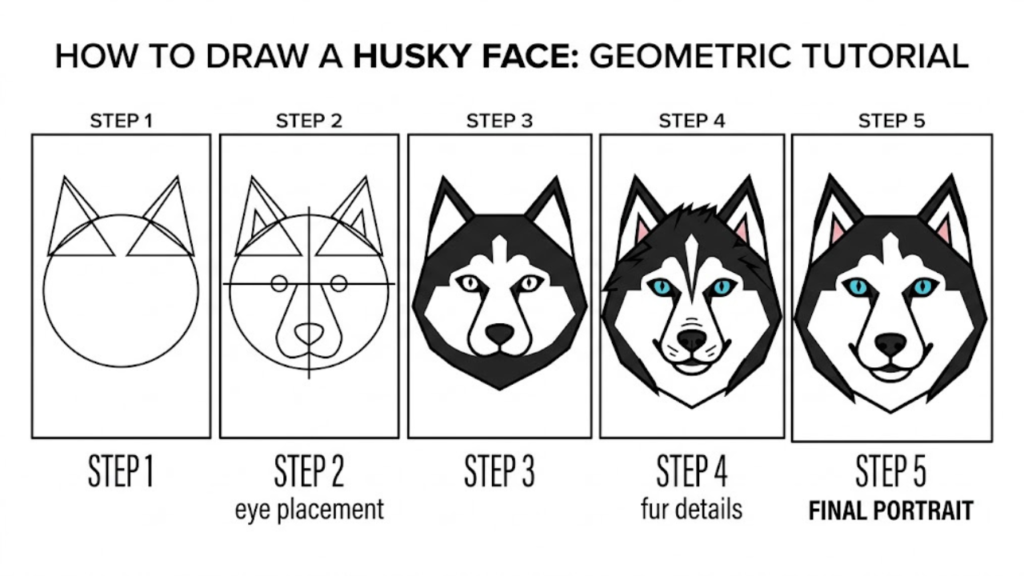
Ready to create your own husky drawing? This step-by-step guide works for both husky drawing easy beginners and artists seeking realistic husky drawing techniques. Follow along with pencil and paper, or adapt for digital tools.
Step 1: Gather Your Reference and Materials
Before you start, find a clear, high-quality photo of a husky—ideally a front or three-quarter view showing the face clearly. Good lighting in your reference photo makes how to draw a husky face realistic much easier. For traditional media, use a range of graphite pencils (2H for light sketching, HB for mid-tones, 2B–6B for darks), a kneaded eraser, and smooth drawing paper. Digital artists should prepare layers for sketch, line art, and shading.
Step 2: Sketch the Basic Head Shape
Lightly draw a circle for the cranium, then add a slightly smaller oval overlapping the lower portion for the muzzle. This creates the foundational structure. Draw a vertical centerline down the face and a horizontal line across where the eyes will sit. These guidelines ensure symmetry—critical for husky drawing since their facial markings must balance on both sides.
Step 3: Position the Ears and Jawline
At the top of the circle, sketch two triangles for the ears. They should angle slightly outward, not straight up. Connect the circle to the muzzle oval with curved lines to form the cheeks and jaw. Huskies have strong jawlines, so avoid making this area too narrow. At this stage, your husky drawing should resemble a basic geometric construction.
Step 4: Draw the Eyes and Facial Markings
On the horizontal guideline, sketch two almond shapes for the eyes. They should be spaced about one eye-width apart from the centerline. Add the distinctive mask markings by drawing curved shapes around each eye—these typically extend from the inner corner down toward the muzzle and up toward the ears. This step defines the husky dog character in your drawing.
Step 5: Add the Nose and Mouth
At the tip of the muzzle oval, draw a rounded triangle for the nose. Below it, sketch a short vertical line (the philtrum) that splits into a gentle “W” shape for the mouth. Huskies often appear to have a slight smile, so keep the mouth line soft and curved. Avoid harsh, angular lines that make the dog look aggressive.
Step 6: Refine the Fur Outline
Now, erase your construction lines and refine the outer shape. Add fluffy tufts around the cheeks, forehead, and neck to suggest the thick coat. Use short, curved strokes rather than long straight lines—this mimics natural fur growth. For cute husky drawing styles, exaggerate these fluffy areas for added softness.
Step 7: Detail the Eyes and Nose
Darken the pupils, leaving a small white highlight in each eye to suggest reflection. Add subtle shading around the iris to show depth. For the nose, use layered pencil strokes to create a textured, slightly shiny appearance. This is where how to draw a husky face realistic separates from simpler styles—attention to these small details brings the drawing to life.
Step 8: Build Fur Texture with Layered Strokes
Using your darker pencils (2B–6B), add layers of short strokes following the direction of fur growth. Start with mid-tones, then add darker shadows in recessed areas (under the chin, behind ears, around the mask). Use a blending stump or tissue to soften harsh edges, creating the fluffy appearance huskies are known for.
Step 9: Add Final Highlights and Adjustments
With a kneaded eraser, lift out small highlights on the nose, eyes, and fur to suggest light hitting those areas. Step back and assess proportions—do the eyes look even? Is the muzzle too long or short? Make minor adjustments now. For husky drawing with colour, this is where you’d begin layering colored pencils or digital paint.
Step 10: Sign and Protect Your Work
Once satisfied, sign your husky drawing in a corner. If using pencil, consider applying a fixative spray to prevent smudging. Share your work online with hashtags like #huskydrawing or #dogportrait to connect with the community and receive feedback.
Pro tip: Practice how to draw a husky puppy separately—puppies have larger eyes, shorter muzzles, and rounder heads than adults, requiring adjusted proportions.
Common Myths vs Facts About Husky Drawing
Misconceptions about husky drawing can frustrate beginners and lead to disappointing results. Let’s separate myth from reality.
Myth 1: Huskies Are Just Like Wolves in Drawings
Fact: While huskies share ancestry with wolves, their facial structure is distinctly different. Wolves have longer muzzles, narrower faces, and less expressive eyes. Treating a husky drawing like a wolf sketch results in an inaccurate, overly aggressive-looking dog. Focus on the husky’s friendlier, more compact features.
Myth 2: All Huskies Have Blue Eyes
Fact: Only about 40% of Siberian Huskies have blue eyes, according to the Siberian Husky Club of America. Many have brown, amber, or heterochromatic eyes (one blue, one brown). In realistic husky drawing, always check your reference photo—don’t default to blue eyes unless your subject has them.
Myth 3: You Need Advanced Skills to Draw Huskies
Fact: While realistic husky drawing requires practice, husky drawing easy tutorials prove beginners can create recognizable, charming husky art. Start with simple shapes and gradually add detail. Many successful artists began with basic cute husky drawing styles before advancing.
Myth 4: Fur Texture Is the Most Important Part
Fact: While fur adds realism, the eyes and facial proportions matter far more. A husky drawing with perfect fur but poorly placed eyes will look “off.” Prioritize accurate eye shape, spacing, and expression first, then build fur texture around solid foundations.
Myth 5: All Huskies Have the Same Markings
Fact: Husky facial markings vary widely—some have full masks, others have minimal markings, and some are nearly all white. In how to draw a husky face realistic work, study your specific reference rather than assuming a standard pattern. This individuality makes each husky dog portrait unique.
Expert Tips and Best Practices
Elevate your husky drawing from good to exceptional with these professional techniques and insights.
Tip 1: Use Grid Method for Accuracy
When working from photos, overlay a grid on both your reference and drawing paper. This helps you place features precisely, especially for how to draw a husky face realistic portraits. Many professional pet artists swear by this technique for maintaining proportions.
Tip 2: Study Real Huskies, Not Just Photos
Visit dog parks, follow husky Instagram accounts, or watch how to draw a husky video tutorials that show live movement. Understanding how huskies hold their heads, tilt their ears, and express emotions adds authenticity that static photos can’t provide.
Tip 3: Layer Your Pencils Strategically
Start with hard pencils (2H, H) for light underdrawing, then progress to softer grades (HB, 2B, 4B, 6B) for darker values. This prevents smudging and allows gradual value building. For husky drawing pencil work, this layering creates rich, dimensional fur.
Tip 4: Focus on the Eyes First
The eyes are the focal point of any husky drawing. Spend extra time getting them right—shape, placement, reflection, and color. If the eyes look alive, viewers will forgive minor imperfections elsewhere. Many artists complete the eyes before moving to other features.
Tip 5: Embrace Negative Space
In husky drawing with colour, don’t color every single strand of fur. Leave some areas lighter or untouched to suggest highlights and depth. This technique, called “working the negative space,” creates a more dynamic, less muddy appearance.
Tip 6: Practice Different Angles
Don’t limit yourself to front-facing husky drawing portraits. Practice side profiles, three-quarter views, and even action poses. This versatility makes you a more confident artist and expands your portfolio possibilities.
Tip 7: Use Reference Photos Ethically
Always credit photographers when using their images as references, especially for commissioned work. Many artists purchase stock photos or work directly from clients’ pet photos to avoid copyright issues.
Tip 8: Join Husky Art Communities
Platforms like Reddit’s r/Art, Instagram’s #huskydrawing community, and Facebook pet portrait groups offer feedback, inspiration, and potential clients. Engaging with fellow artists accelerates your growth and keeps you motivated.
Tip 9: Experiment with Mixed Media
Combine pencil underdrawing with watercolor washes, or use colored pencils over ink outlines. Husky drawing doesn’t have to be single-medium—mixed media can create stunning, unique effects that stand out.
Tip 10: Set Realistic Time Goals
A realistic husky drawing might take 5–10 hours, while a cute husky drawing could take 30 minutes. Plan your sessions accordingly, and don’t rush. Quality matters more than speed, especially when building your portfolio.
Frequently Asked Questions
Q1: How long does it take to learn husky drawing?
The timeline varies based on your starting skill level and practice frequency. Beginners following husky drawing easy tutorials can create recognizable sketches within 2–4 weeks of regular practice. Achieving realistic husky drawing quality typically requires 6–12 months of dedicated study, including anatomy lessons and consistent drawing sessions. The key is deliberate practice—focusing on specific skills like fur texture, eye rendering, or proportions in each session rather than drawing randomly. Many artists report noticeable improvement after completing 20–30 husky dog portraits, as muscle memory and observational skills develop.
Q2: What’s the best pencil for husky drawing pencil work?
Professional artists recommend a range rather than a single pencil. Start with 2H or H for light construction lines that won’t smudge. Use HB and 2B for mid-tone fur layers, then 4B and 6B for the darkest shadows and details. A mechanical pencil (0.5mm HB) works well for fine details like whiskers and eye reflections. For how to draw a husky face realistic pieces, many artists prefer traditional wood-cased pencils because they allow varied pressure and broader strokes. Brands like Faber-Castell 9000, Derwent Graphic, or Staedtler Mars Lumograph offer excellent quality for husky drawing pencil work.
Q3: Can I sell my husky drawing artwork?
Absolutely! Pet portraiture is a thriving market. You can sell husky drawing pieces as prints, originals, or digital downloads on platforms like Etsy, Instagram, or your own website. Commissioned portraits—where clients send photos of their pets for custom realistic husky drawing work—are particularly lucrative, with prices ranging from $50 for simple sketches to $500+ for detailed colored pieces. Ensure you have permission to use reference photos, especially for commissions. Building a portfolio of diverse husky drawing styles (cute, realistic, sketch) attracts different customer segments and increases sales potential.
Q4: How do I make my husky drawing look more realistic?
Focus on three key areas: accurate proportions, layered fur texture, and proper value contrast. Study how to draw a husky face realistic tutorials that emphasize anatomical correctness—measure eye spacing, muzzle length, and ear placement against your reference. For fur, use directional strokes that follow natural growth patterns, layering from light to dark. Avoid uniform shading; instead, create varied tones to suggest depth and volume. Add subtle highlights on the nose, eyes, and fur to suggest light interaction. Finally, step back frequently to assess overall balance—realism comes from the whole composition, not just individual details.
Q5: Is husky drawing easier than cat drawing or other dog breeds?
Difficulty depends on your familiarity with the subject. Huskies have more defined facial markings than many breeds, which can actually help beginners place features accurately. Compared to cat drawing, huskies have less flexible facial expressions (cats’ pupils and ear positions change dramatically with mood), making them somewhat more predictable. However, their thick fur requires more texture work than short-haired breeds like Labradors. Many artists find husky drawing moderately challenging—harder than simple cartoon dogs but easier than breeds with complex wrinkles (like Bulldogs) or extremely long fur (like Afghan Hounds). The key is choosing a style matching your skill level: start with cute husky drawing before attempting realistic husky drawing.
Final Verdict: Your Husky Drawing Journey
Husky drawing offers a perfect blend of artistic challenge and rewarding results. Whether you’re captivated by their piercing eyes, distinctive markings, or fluffy coats, these magnificent dogs provide endless inspiration for artists at every level.
Throughout this guide, you’ve learned what makes husky drawing unique—from understanding the breed’s history to mastering step-by-step techniques for both cute husky drawing and realistic husky face portraits. You now know the essential features that define authentic husky art, the common myths to avoid, and expert tips to elevate your work.
Remember, every great artist started where you are now. The difference between a beginner and a master isn’t talent—it’s consistent practice and willingness to learn from mistakes. Start with husky drawing easy tutorials, gradually challenge yourself with how to draw a husky face realistic studies, and don’t be afraid to experiment with husky drawing with colour or husky drawing pencil techniques.
Your journey doesn’t end here. Share your work, seek feedback, and keep pushing your boundaries. The husky dog community is vast and supportive, ready to celebrate your progress.
What’s your next husky drawing project going to be? Will you try a realistic portrait, a cute chibi style, or perhaps a full-body action pose? Share your goals in the comments—we’d love to see your artistic journey unfold!